Adding a pool to your backyard can completely change how you enjoy your home. From family gatherings to quiet evenings in the water, a pool offers both relaxation and entertainment. However, choosing the right type of pool is a major decision that involves more than just appearance. Cost, installation time, maintenance, and long-term value all play a role.
Understanding Inground Pools
Inground pools are built directly into the ground and are often considered a permanent home upgrade. They are available in a variety of materials, including concrete, fiberglass, and vinyl, each offering different benefits.
Many homeowners are drawn to inground pools because of their custom designs, durability, and seamless integration into landscaping.
These pools allow for greater flexibility in shape, depth, and added features like waterfalls or built-in seating. While the design options are appealing, the installation process is more complex. It typically involves excavation, permits, and a longer construction timeline, which can extend several weeks depending on weather and site conditions.
Understanding Above-Ground Pools
Above-ground pools are installed on the surface of the ground and are often faster and more affordable to set up. They come in standard shapes and sizes, making them a practical choice for homeowners who want a pool without a major construction project.
Many above-ground pools are sold as kits and can be installed within a few days. Some homeowners appreciate the flexibility of being able to remove or relocate the pool if plans change. While they may not offer the same level of customization as inground pools, modern designs have improved in both appearance and durability.
Comparing Installation Costs
Cost is often the deciding factor when choosing between inground and above-ground pools. Inground pools generally require a higher upfront investment due to excavation, materials, labor, and permitting. Ongoing maintenance costs may also be higher, especially for larger pools or those with advanced features.
Above-ground pools are typically more budget-friendly, with lower initial costs and fewer construction requirements. They can be a good option for families who want to enjoy a pool without a long-term financial commitment. When comparing swimming pool installations, it is important to look beyond the initial price and consider maintenance, repairs, and potential upgrades over time.
Installation Time and Disruption
The time it takes to install a pool can affect your decision, especially if you want to use it quickly. Inground pools require careful planning, excavation, and inspections, which can extend the project timeline. This process may temporarily disrupt your yard and daily routine.
Above-ground pools offer a much quicker setup. Many installations can be completed within a weekend, with minimal impact on the surrounding landscape. For homeowners who want a fast and convenient option, this can be a major advantage.
Maintenance and Long-Term Care
All pools require regular maintenance, but the level of care can vary. Inground pools often have more complex systems, including built-in filtration, heating, and lighting. While these features enhance comfort, they may also increase maintenance responsibilities.
Above-ground pools typically have simpler systems and smaller water volumes, which can make cleaning and upkeep more manageable. However, liners and structural components may need replacement sooner than those of inground pools. Understanding maintenance expectations helps homeowners choose an option that fits their time and comfort level.
Impact on Home Value
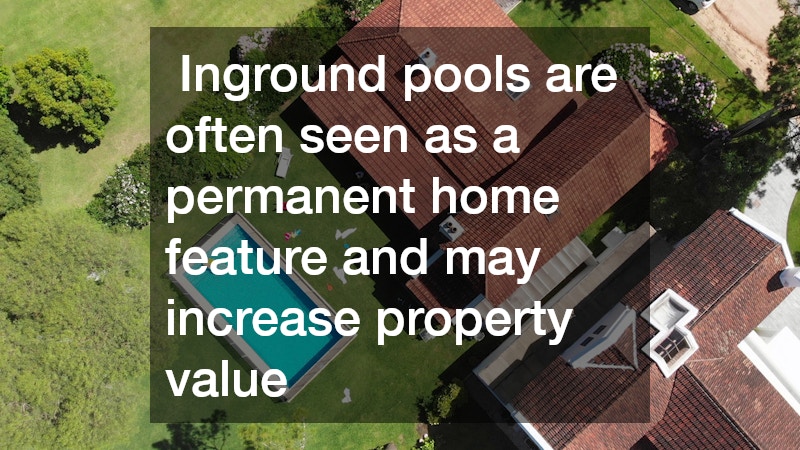
Inground pools are often seen as a permanent home feature and may increase property value in certain markets. They can enhance curb appeal and attract buyers who value outdoor living spaces. However, this is not guaranteed, as some buyers prefer homes without pools due to maintenance concerns.
Above-ground pools generally do not add long-term value and may even need to be removed before selling a home. For homeowners focused on resale, this difference can be an important consideration when evaluating swimming pool installations.
Safety and Accessibility
Safety is a key factor for families and pet owners. Inground pools often include built-in safety features such as gradual steps, handrails, and covers. Fencing and alarms can further enhance security.
Above-ground pools offer natural elevation, which can reduce accidental access when paired with a secure ladder. Both options can be safe when proper precautions are taken, but homeowners should consider how each design fits their household needs.
Lifestyle and Personal Preferences
Ultimately, the right pool depends on how you plan to use it. If you enjoy entertaining, value customization, and see the pool as a long-term investment, an inground option may be the better choice. If you want a simple way to cool off, spend time with family, and stay within a modest budget, an above-ground pool may be ideal.
Evaluating your lifestyle, available space, and long-term plans helps clarify which option aligns best with your goals.
Choosing between inground and above-ground pools is a personal decision that balances cost, convenience, and long-term value. Both options offer unique benefits and can enhance your outdoor living experience. By carefully comparing features, maintenance needs, and installation factors, homeowners can select swimming pool installations that bring enjoyment, comfort, and lasting satisfaction.