-
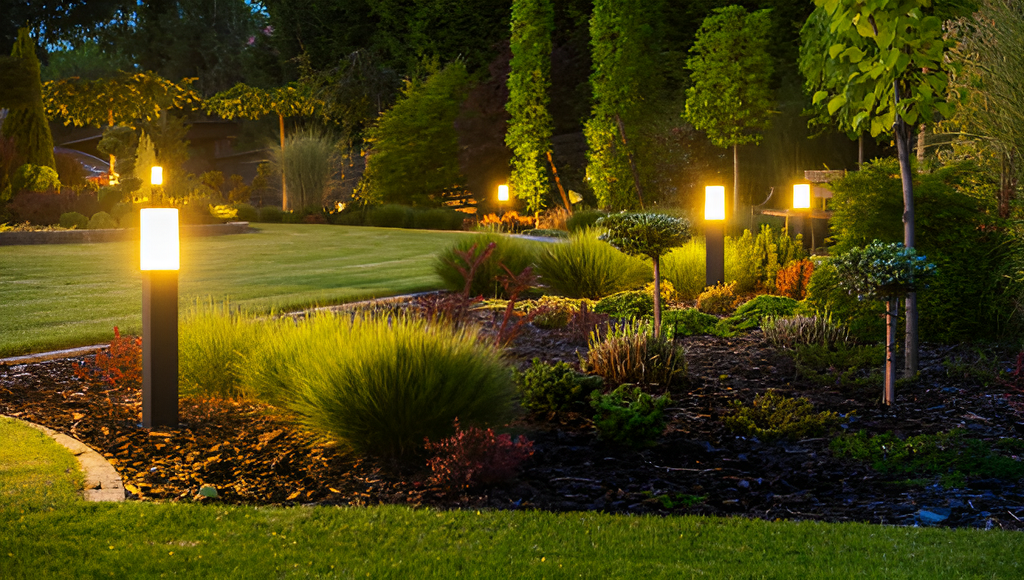
- Landscape lighting boosts curb appeal, safety, and security while also extending the usability of outdoor spaces after dark.
- Planning is the most critical step—identify your goals, map your yard, divide into lighting zones, and choose the right fixtures for each area.
- Different fixtures serve different purposes, such as path lights for walkways, spotlights for trees, floodlights for security, and deck lights for stairs.
- Most systems use low-voltage wiring with a transformer, so calculate total wattage, leave extra capacity, and keep wires 6–8 inches underground.
- A simple installation process includes testing first, trenching, wiring, fixture placement, and final testing before burying wires.
- Avoid common mistakes like overlighting, poor placement, wrong beam angles, and neglecting maintenance to keep your system effective and attractive.
- Smart lighting and professional installation are great options if you want advanced controls, larger systems, or a polished design that meets safety codes.
If you’ve ever walked outside at night and wished your yard looked as inviting as it does during the day, landscape lighting is the upgrade you need. Not only does it improve your home’s curb appeal, but it also adds safety and security while extending the usability of your outdoor spaces. The best part? You don’t have to be an electrician or a professional designer to get started.
This guide will walk you through everything you need to know about landscape lighting installation, from planning and design to choosing the right fixtures and wiring your system. By the end, you’ll feel confident tackling your first project.
What Is Landscape Lighting Installation?
Landscape lighting installation is the process of adding outdoor lighting fixtures to illuminate your yard, garden, pathways, patios, and architectural features. It’s not just about making things visible at night. It’s about creating a mood, improving safety, and highlighting the best parts of your property.
A good landscape lighting setup can:
- Improve curb appeal and increase home value
- Make outdoor spaces usable after dark
- Reduce tripping hazards on paths and stairs
- Deter intruders and increase security
- Highlight trees, water features, and architectural details
Why Should You Install Landscape Lighting?
Most people think landscape lighting is purely decorative. While it can absolutely create a stunning look, the benefits go deeper than aesthetics.
Safety and Security
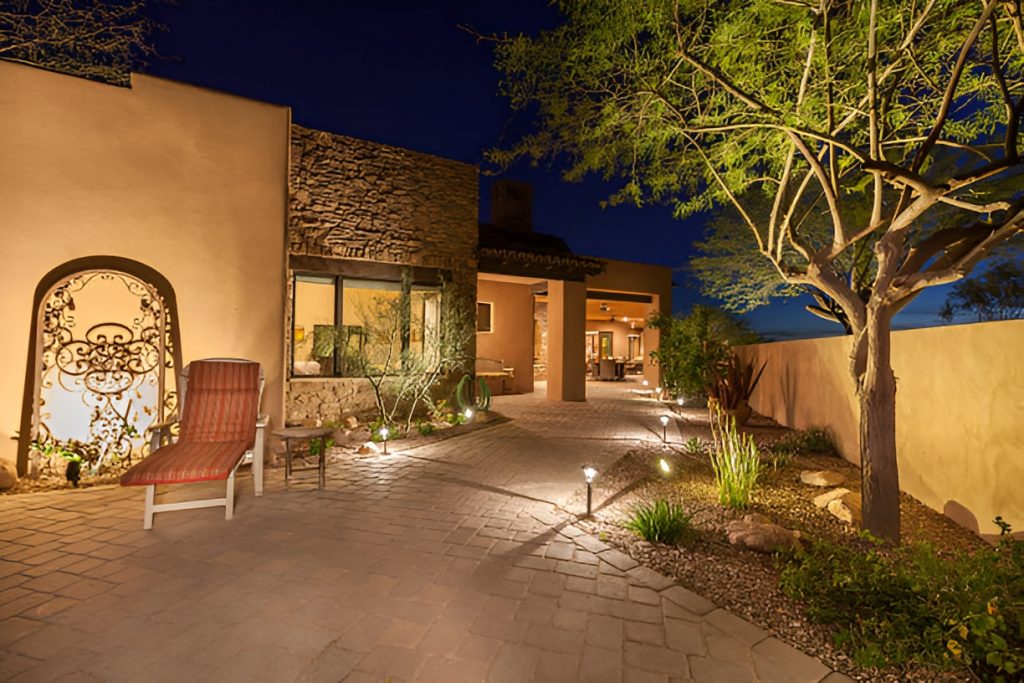
Outdoor lighting helps prevent accidents and discourages unwanted activity. Well-lit walkways and entry points reduce the risk of trips and falls, while bright lighting around doors and dark corners makes your home less attractive to burglars.
Extended Outdoor Living
With landscape lighting, your patio, deck, and garden can become usable after sunset. Whether you’re hosting a barbecue or enjoying a quiet evening outside, lighting makes the space feel welcoming and functional.
Curb Appeal
Lighting can dramatically change how your home looks at night. It adds depth and dimension, and highlights features that might go unnoticed during the day.
Property Value
A well-designed landscape lighting system can increase the value of your home. It’s a feature that buyers often notice, especially if it’s professionally installed and well-maintained.
What Are the Different Types of Landscape Lighting?
Before you start buying fixtures, it helps to understand the different types of landscape lighting and what they’re best used for.
Path Lights
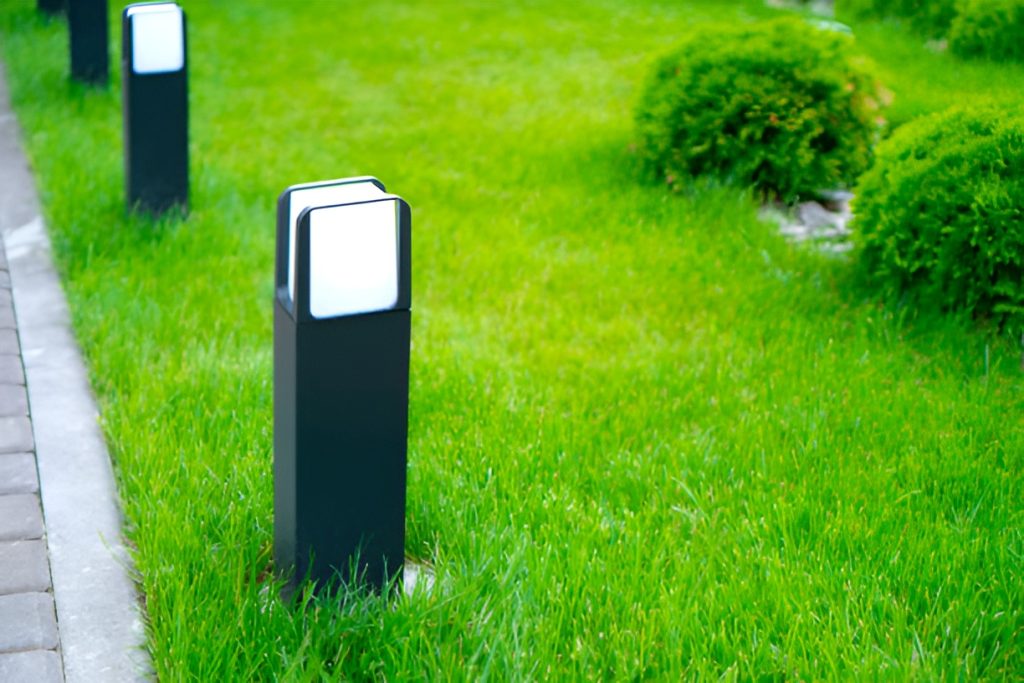
Path lights are small fixtures placed along walkways, driveways, and garden paths. They provide safe navigation and create a clean, polished look.
Spotlights and Floodlights
Spotlights focus light on a specific object, like a tree or statue. Floodlights cover a wider area and are commonly used for security or general area lighting.
Well Lights
Well lights are installed into the ground and shine upward. They’re perfect for illuminating trees, columns, and architectural features.
Deck and Step Lights
These are installed on stairs or deck surfaces to prevent tripping and provide subtle accent lighting.
Wall Lights
Wall lights are mounted on exterior walls to brighten patios, entryways, and outdoor living spaces.
String Lights and Decorative Lighting
String lights, lanterns, and other decorative fixtures add ambiance and are great for entertaining areas.
What Tools and Materials Do You Need for Landscape Lighting Installation?
A simple landscape lighting installation can be completed with basic tools. Here’s a list of what you’ll typically need:
Tools
- Shovel or trenching tool
- Wire cutters/strippers
- Screwdriver set
- Tape measure
- Voltage tester
- Garden gloves
- Hammer or mallet (for stakes)
Materials
- Low-voltage transformer
- Landscape lighting fixtures
- 12/2 or 12/3 low-voltage wire
- Wire connectors or waterproof wire nuts
- Cable staples or landscape staples
- Timer or smart controller (optional)
- PVC conduit (optional for added protection)
How Much Does Landscape Lighting Installation Cost?
The cost of landscape lighting installation varies depending on the size of your yard, the number of fixtures, and whether you do it yourself or hire a professional.
Here’s a rough breakdown:
DIY Installation
- Small setup (5–10 lights): $150–$500
- Medium setup (10–20 lights): $500–$1,200
- Large setup (20+ lights): $1,200–$3,000+
Professional Installation
- Small setup: $800–$2,000
- Medium setup: $2,000–$5,000
- Large setup: $5,000–$10,000+
Remember, professional installation includes design, wiring, and ensuring your system meets local safety codes. DIY can save money, but it requires planning and patience.
How Do You Plan a Landscape Lighting Installation?
Planning is the most important part of any lighting project. If you start installing lights without a plan, you might end up with uneven lighting, too much brightness, or an unbalanced look.
Here’s a simple planning process:
Step 1: Identify Your Goals
Ask yourself what you want to achieve:
- Do you want to highlight a garden feature?
- Do you need better pathway lighting?
- Are you focusing on security?
Step 2: Map Your Yard
Draw a simple map of your yard and mark:
- Walkways and steps
- Trees and plants you want to highlight
- The front door and entryway
- Outdoor living areas
Step 3: Choose Your Lighting Zones
Divide your yard into zones:
- Entryway zone
- Pathway zone
- Garden zone
- Patio zone
- Security zone
Step 4: Decide Fixture Types and Placement
Place the right fixture in each zone:
- Path lights for walkways
- Spotlights for trees
- Floodlights for security areas
- Deck lights for stairs and patios
Step 5: Determine Power Source and Wiring
Most landscape lighting systems use a low-voltage transformer connected to your home’s electrical system. Make sure the transformer is powerful enough for your total wattage.
How Do You Choose the Right Fixtures?
Choosing the right fixtures is about balancing aesthetics, function, and durability. Here are the key factors to consider:
Material and Durability
Look for fixtures made from durable materials like:
- Aluminum
- Brass
- Stainless steel
These materials resist rust and corrosion.
Beam Angle and Brightness
Choose fixtures based on beam angle:
- Narrow beam (10–25 degrees) for spotlights
- Wide beam (40–60 degrees) for floodlights
- Soft glow for path lights
Color Temperature
Color temperature affects mood:
- Warm white (2700K–3000K): Cozy and inviting
- Cool white (4000K–5000K): Modern and crisp
- Avoid blue or overly bright white lights
Energy Efficiency
LED fixtures are the best choice for energy efficiency and long lifespan.
What Are the Basics of Wiring a Landscape Lighting System?
Most landscape lighting systems use low-voltage wiring, which is safer and easier to work with than high-voltage wiring.
What Is a Transformer?
A transformer converts your home’s 120V power into 12V low-voltage power for the lighting system.
How Many Watts Can Your Transformer Handle?
Add up the wattage of all your fixtures to determine the transformer size. It’s best to leave 10–20% extra capacity for future expansion.
How to Lay the Wire
- Run the main wire from the transformer to the first fixture.
- Continue wiring from fixture to fixture in a loop or series.
- Keep wires 6–8 inches below ground to avoid damage.
- Use cable staples to secure wire to the ground.
Step-by-Step Landscape Lighting Installation
Here’s a simple step-by-step installation process for beginners.
Step 1: Test Your System Before Installing
Before burying wire or installing fixtures, test the system. Connect the transformer, wire, and a few lights to make sure everything works.
Step 2: Place Your Fixtures
Place fixtures in the planned locations and adjust angles for the desired effect.
Step 3: Dig Trenches for the Wire
Dig trenches about 6–8 inches deep along the path where your wire will run.
Step 4: Lay the Wire
Lay the wire in the trench and connect it to each fixture using waterproof connectors.
Step 5: Install the Fixtures
Secure fixtures in place:
- Stake lights should be pushed into the ground
- Well lights need proper mounting and leveling
Step 6: Connect to the Transformer
Connect the main wire to the transformer. Make sure the transformer is installed in a dry location and is protected from the elements.
Step 7: Test the System Again
Turn the system on and check each light. Adjust angles and brightness as needed.
Step 8: Bury the Wire and Cover Trenches
Once everything works, bury the wire and fill in the trenches.
What Are the Most Common Landscape Lighting Mistakes?
Beginners often make mistakes that affect the overall look and functionality of the system. Here are the most common ones:
Too Much Light
Overlighting makes the yard look harsh and unnatural. Use fewer lights and focus on key features.
Poor Placement
Placing lights too close to plants or fixtures can create harsh shadows and glare.
Wrong Beam Angle
Using the wrong beam angle can make a spotlight look like a floodlight or vice versa.
Ignoring Maintenance
Outdoor lights need maintenance. Dirt, leaves, and weather can reduce brightness and cause damage.
How Do You Maintain Landscape Lighting?
Maintenance is simple but important to keep your system working well.
Routine Maintenance Checklist
- Clean fixtures and lenses
- Check for damaged wiring
- Replace burned-out bulbs
- Trim plants that block light
- Inspect transformer and connections
Seasonal Maintenance
- Winterize your system if you live in cold climates
- Check for water damage after heavy rain
- Re-adjust angles after storms
How Do You Design a Lighting Layout That Looks Professional?
A professional-looking landscape lighting design follows a few simple rules.
Use the 3-2-1 Rule
A common design rule is:
- 3 lights for the front yard
- 2 lights for the walkway
- 1 light for the entryway
This helps create balance and prevents overlighting.
Layer Your Lighting
Use layers to create depth:
- Ambient lighting (general area lighting)
- Accent lighting (highlight features)
- Task lighting (pathways and steps)
Avoid Glare
Aim lights downward and away from eyes. Use shields or adjust angles to reduce glare.
What Are the Best Areas to Light in Your Yard?
Here are the most effective places to install landscape lighting:
Front Yard
- Pathways and walkways
- Front door entry
- Trees and shrubs
- House façade and architectural features
Backyard
- Patio and deck
- Outdoor kitchen or grilling area
- Garden beds
- Water features and ponds
Side Yard
- Fence lines
- Side pathways
- Storage and utility areas
What About Smart Landscape Lighting?
Smart landscape lighting is a growing trend because it offers convenience and flexibility. Many systems can connect to Wi-Fi or Bluetooth and be controlled through an app.
Benefits of Smart Lighting
- Schedule lights to turn on/off automatically
- Adjust brightness and color temperature
- Group lights by zone
- Control from anywhere
Smart Features to Consider
- Motion sensors
- Dusk-to-dawn sensors
- Voice control compatibility
- Energy usage tracking
When Should You Hire a Professional?
While many landscape lighting projects are DIY-friendly, there are times when hiring a professional is the smarter choice.
You Should Hire a Professional If:
- You’re unsure about electrical wiring
- You want a complex design or large system
- You need permits or code compliance
- You want a truly polished, high-end look
A professional can also help with design, ensuring the lighting enhances your home without being overpowering.
Final Thoughts: Is Landscape Lighting Installation Worth It?
Landscape lighting installation is one of the most impactful upgrades you can make to your home. It enhances safety, adds curb appeal, and turns your yard into a usable space after dark. With the right planning and a basic understanding of wiring and design, you can install a system that looks professional and functions reliably for years.
If you’re new to landscape lighting, start small. Install a few path lights and a spotlight, test the setup, then expand as you gain confidence. With each upgrade, you’ll see how much a well-lit yard can transform your home.