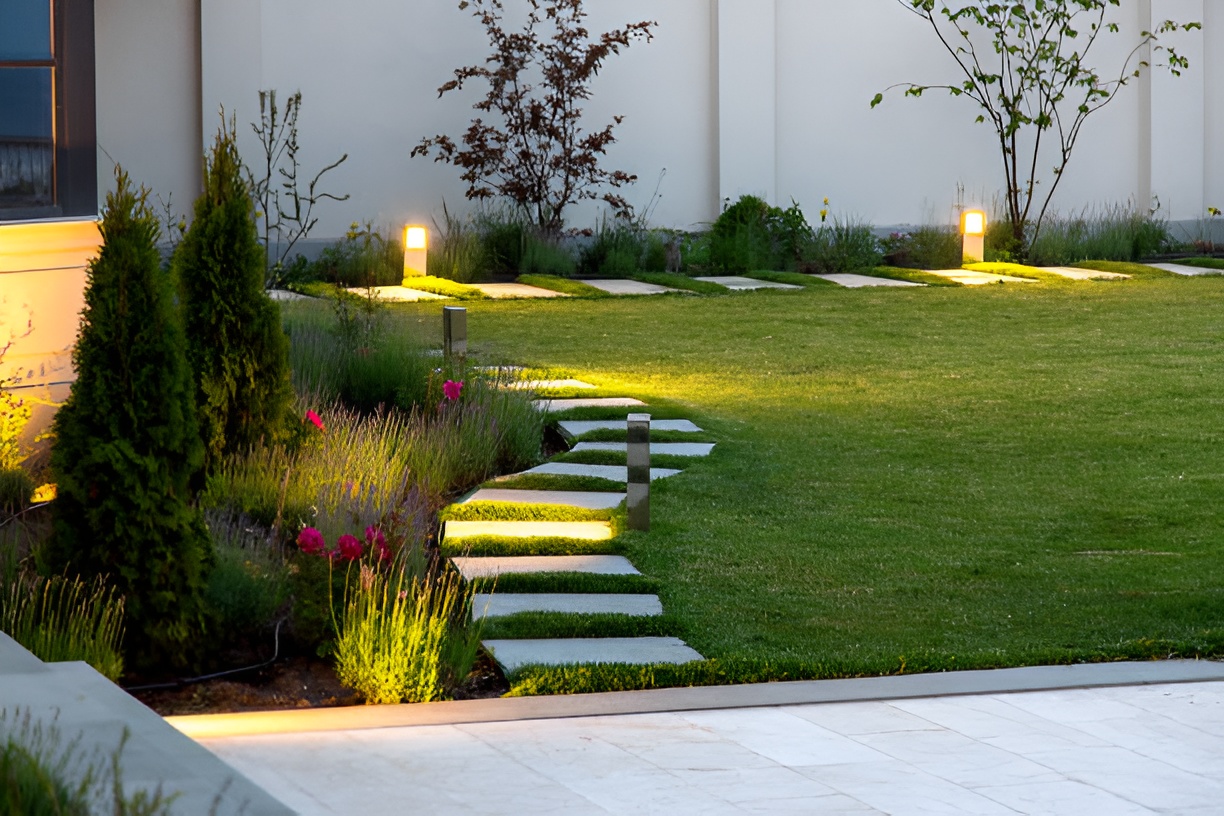
- Low voltage landscape lighting is a beginner-friendly DIY project because it uses a transformer to reduce household power to 12 volts, making it safer and easier to install.
- Proper planning is essential—decide what you want to highlight (paths, trees, patios, or architectural features) and map out spacing before installing anything.
- Gather the right tools and materials first (shovel, wire cutters, transformer, lights, landscape wire, waterproof connectors, and stakes) to avoid delays and mistakes.
- Choose the correct transformer size by adding up the wattage of all fixtures and selecting a transformer with at least 20% more capacity to prevent dim lights or system overload.
- Test the system before burying wire by laying out fixtures and temporarily connecting them to the transformer to confirm spacing, coverage, and function.
- Install safely and efficiently by running wire carefully, using waterproof connectors, burying the wire 2–3 inches deep, and using a GFCI outlet for the transformer.
- Maintain and expand the system easily by checking fixtures every few months, replacing bulbs as needed, and adding new lights as long as the total wattage stays within the transformer’s capacity.
Low voltage landscape lighting is one of the easiest ways to transform your yard into a warm, inviting space after the sun goes down. Whether you want to highlight a garden path, showcase your favorite plants, or add a welcoming glow to your porch, a low voltage lighting system can do it all. The best part? You don’t need to be an electrician to install it.
If you’re a beginner, this guide will walk you through everything you need to know to install low voltage landscape lighting safely and confidently. We’ll cover tools, planning, installation steps, and common mistakes to avoid. By the end, you’ll feel ready to tackle the project on your own.
What is Low Voltage Landscape Lighting and Why Choose It?
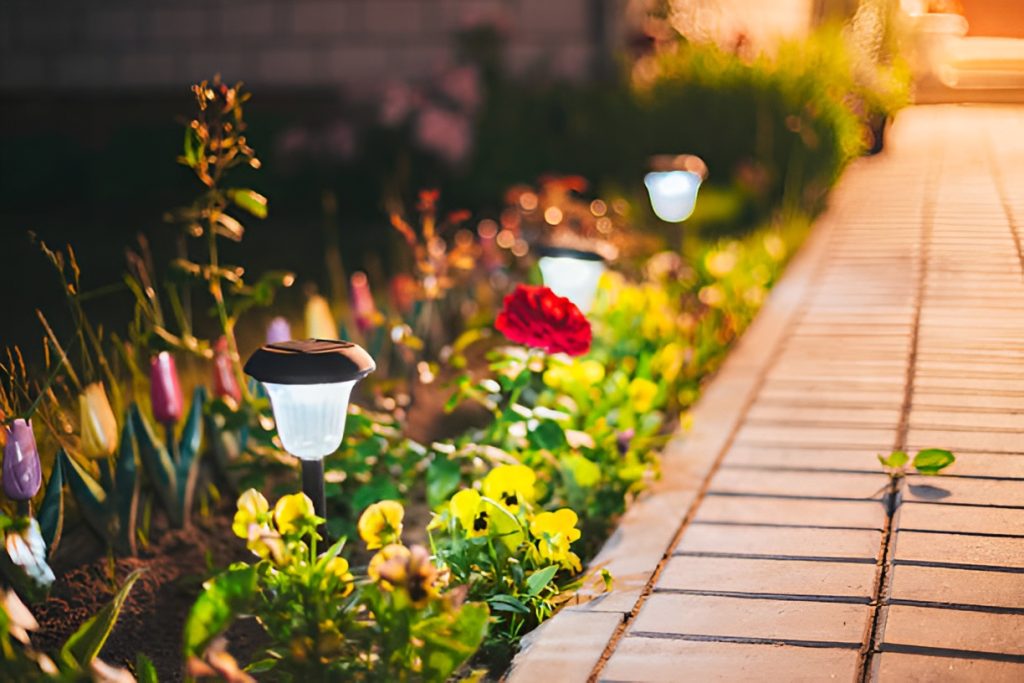
Low voltage landscape lighting uses a transformer to reduce standard 120-volt electricity down to 12 volts. This makes it much safer to use outdoors and easier for DIY installations. A low voltage landscape lighting system is one of the easiest landscape lighting installation projects you can take on, even if you’ve never worked with outdoor lighting before.
Why low voltage is a great choice
- It’s safer for homeowners to install and maintain.
- It uses less electricity than standard lighting.
- You can easily add more fixtures later.
- It’s ideal for highlighting paths, trees, and outdoor features.
- Many kits are available for beginners.
If you want a simple lighting system that still looks professional, low voltage lighting is the best place to start.
What You Need Before You Start
Before you start digging and installing fixtures, you need to make sure you have the right tools and materials. A little preparation will save you time and frustration.
Tools you’ll need
- Shovel or trenching tool
- Wire cutters/strippers
- Screwdriver
- Tape measure
- Garden gloves
- Voltage tester (optional but recommended)
Materials you’ll need
- Low voltage transformer
- Low voltage landscape lights (path lights, spotlights, etc.)
- 12-gauge or 14-gauge landscape wire
- Wire connectors (waterproof)
- Cable staples or landscape wire stakes
- Timer or photocell (optional)
How to choose the right transformer
Your transformer is the heart of your system. It converts household power into safe low voltage power. The key is matching the transformer’s output to the total wattage of your lights.
- Add up the wattage of all fixtures
- Choose a transformer with at least 20% more capacity
- Example: If your total is 100 watts, choose a 150-watt transformer
How to Plan Your Lighting Layout

Before you install anything, plan where each light will go. This is one of the most important steps, especially for beginners.
What should you highlight?
Think about the features you want to showcase, such as:
- Pathways
- Trees and shrubs
- Garden beds
- Patio or seating area
- Architectural details
How far apart should lights be?
This depends on the type of light:
- Path lights: 6 to 10 feet apart
- Spotlights: 10 to 20 feet apart
- Well lights: 4 to 6 feet apart
Where should the transformer go?
The transformer should be placed near a power source, usually close to an outdoor outlet. It should be:
- Protected from rain and weather
- Mounted on a wall or placed in a weatherproof box
- Close enough to reach all fixtures with wire
Step-by-Step: How to Install Low Voltage Landscape Lighting
Now for the fun part. Follow these steps in order and you’ll have a working lighting system in no time.
Step 1: Lay out your lights and test them
Before you bury any wire, place your lights where you want them. Connect them temporarily to the transformer and test them.
This helps you:
- Check spacing
- Confirm coverage
- Ensure you like the look before final installation
Step 2: Run the main wire line
Once you’re happy with the layout, start running your wire from the transformer to the first fixture.
- Keep the wire as straight as possible
- Avoid sharp bends or kinks
- Leave a little extra wire at each fixture for adjustments
Step 3: Install the lights
Each fixture will usually come with a spike or mounting base.
- Push the spike into the ground
- Make sure it’s stable and straight
- Adjust the angle of the light if needed
Step 4: Connect the wire to the fixture
Use waterproof wire connectors to attach the wire to each fixture.
- Strip about 1/2 inch of insulation from the wire
- Twist the fixture wires together with the main wire
- Secure with a waterproof connector
Step 5: Bury the wire
Once all fixtures are connected and tested, bury the wire.
- Dig a shallow trench about 2 to 3 inches deep
- Lay the wire in the trench
- Cover the wire with soil
Step 6: Mount and connect the transformer
Mount the transformer near the outlet and connect it to power.
- Ensure the transformer is grounded properly
- Use a GFCI outlet for safety
- Set the timer or photocell if included
Step 7: Final test
Turn on the transformer and check each light.
- Make sure every fixture is working
- Adjust angles if needed
- Fix any loose connections
How to Avoid Common Beginner Mistakes
Even simple projects can go wrong if you don’t plan properly. Here are the most common mistakes to avoid.
Mistake 1: Not calculating wattage correctly
If your total wattage exceeds the transformer’s capacity, lights will be dim or won’t turn on.
Solution:
- Add up all fixture wattages
- Choose a transformer with 20% extra capacity
Mistake 2: Burying wire too deep
Low voltage wire doesn’t need to be buried as deep as regular electrical wire. Burying it too deep makes repairs difficult.
Solution:
- 2 to 3 inches deep is usually enough
- Use cable staples to keep wire in place
Mistake 3: Placing lights too close together
Too many lights close together can look harsh and unnatural.
Solution:
- Keep path lights 6 to 10 feet apart
- Space spotlights based on the area you want to cover
Mistake 4: Not testing before burying
This is a big one. If you bury the wire and a connection fails, you’ll have to dig everything up.
Solution:
- Test all connections before covering wire with soil
What About Maintenance? Do I Need to Check My System Regularly?
Low voltage lighting systems are low maintenance, but they still need occasional checks.
Simple maintenance tasks
- Check for burned out bulbs
- Make sure fixtures are straight and stable
- Clear debris or plant growth blocking the light
- Check connections for corrosion
How often should you check?
- Every 3 to 6 months is enough for most systems
- Before and after extreme weather is a good idea
Can You Expand the System Later?
Yes. One of the best things about low voltage systems is that they can grow with your yard.
How to expand safely
- Add new fixtures with the same wire gauge
- Make sure total wattage stays under transformer capacity
- Consider upgrading the transformer if needed
In Closing
If you want a beginner-friendly, affordable, and beautiful lighting option for your yard, low voltage landscape lighting is an excellent choice. It’s safe, energy efficient, and easy to install, even for first-time DIYers.
You don’t need fancy tools or professional experience. With a solid plan, the right materials, and a little patience, you can create a stunning nighttime landscape that adds value and charm to your home.
If you follow this guide, you’ll have a glowing outdoor space in no time.