Choosing a skilled roofer is one of the most critical decisions a homeowner can make to protect their property over the long term. The roof serves as the primary shield against unpredictable weather conditions, harsh ultraviolet rays, windstorms, heavy rainfall, and severe moisture accumulation.
When it comes time to repair, maintain, or entirely replace this vital structural system, relying on a professional roofer ensures the structural integrity, safety, and ultimate longevity of your home investment. However, selecting the right contract professional requires careful evaluation, clear communication, detailed research, and a comprehensive understanding of key selection criteria.
Evaluating Credentials, Licensing, and Insurance Coverage
Before agreeing to any structural work or signing a legal contract, verify that your prospective candidate holds proper local licensing and comprehensive insurance coverage. A qualified professional should readily display state or municipal credentials, demonstrating full compliance with regional building standards and safety protocols. Comprehensive general liability insurance and workers’ compensation coverage are mandatory safeguards that shield you from personal financial liability in the event of an accident, worker injury, or unexpected property damage during active construction. Request physical proof of insurance policies and independently verify their validity with the underwriting provider before work begins.
Assessing Experience and Proven Industry Track Record
Experience brings invaluable practical knowledge to complex residential or commercial projects. Choosing an established roofer with a proven history operating within your immediate geographic area guarantees familiarity with local climate demands, regional building regulations, permitting procedures, and appropriate material performance over time. Inquire directly about past projects, request portfolio references, examine local project photos, and take time to read online customer testimonials to gauge work quality, project completion timelines, and overall client satisfaction. Experienced contractors are far better equipped to identify underlying structural issues, such as rotted decking or hidden water damage, before they develop into severe structural liabilities.
Understanding Detailed Estimates and Material Selections
A trustworthy roofer provides comprehensive written estimates rather than vague verbal quotes or high-pressure sales presentations. Detailed estimates break down material choices, labor costs, permits, site preparation procedures, waste removal fees, and realistic project completion timelines. High-quality materials tailored specifically to your local weather patterns will drastically extend the lifespan of your structure, making it essential to discuss material performance differences, underlayment options, ventilation systems, and manufacturer warranties before making a final selection. Comparing itemized quotes from multiple candidates also helps establish fair market rates for both labor and materials in your surrounding area.
Emphasizing Communication and Project Transparency
Clear, transparent communication forms the cornerstone of a successful home improvement or renovation project. A reliable contractor maintains open dialogue, thoroughly addresses your technical questions, provides regular progress updates, and explicitly outlines payment schedules tied to specific completion milestones. Establish clear expectations regarding job site cleanup, safety measures, daily work schedules, and property protection before signing any legally binding contracts. Understanding how potential unexpected delays or cost overruns will be communicated ensures a collaborative relationship between the property owner and the service team throughout the entire process.
Prioritizing Maintenance and Post-Installation Care
Long-term roof performance requires proactive care following the completion of initial construction or replacement. Partnering with a dedicated roofer for periodic maintenance visits guarantees that minor issues, such as loose flashings or blocked drainage pathways, are caught before causing widespread interior damage. Regular inspections following severe storms help preserve structural integrity and keep warranty protections active. Setting up a routine maintenance schedule ensures your roof achieves its maximum designed lifespan while protecting your home from unexpected structural degradation.
Reviewing Warranties and Long-Term Protection Guarantees
Comprehensive warranties offer essential protection for both installation workmanship and raw building materials. A dependable roofer offers robust written guarantees that extend far beyond the final site inspection, standing firmly behind their team’s craftsmanship while helping register manufacturer material warranties. Clarifying warranty terms, coverage limits, transferability options, and maintenance obligations early ensures that your home remains fully protected against potential manufacturing defects or installation errors for decades into the future. Taking the extra time to thoroughly research contractors guarantees long-term peace of mind and secures your home against the elements.
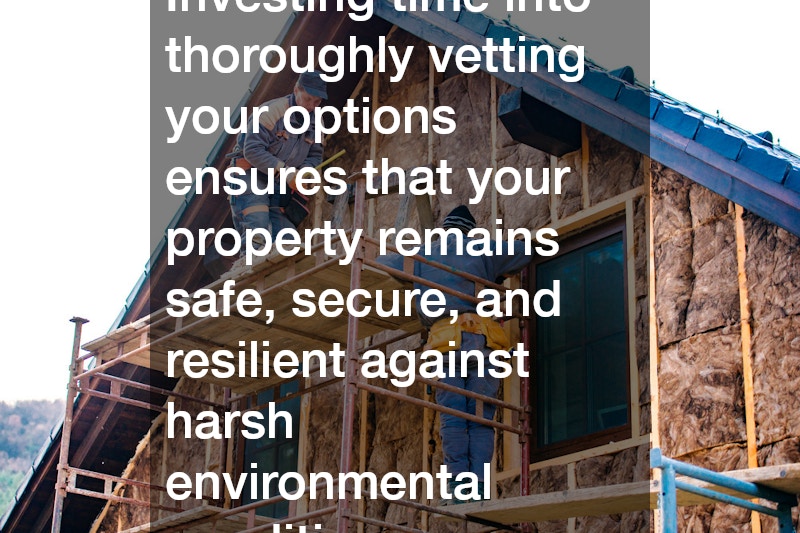
Investing time into thoroughly vetting your options ensures that your property remains safe, secure, and resilient against harsh environmental conditions. Selecting a licensed, communicative, and experienced roofer provides confidence that every aspect of the project will meet rigorous safety standards and quality expectations. By focusing on credentials, clear communication, maintenance plans, and robust warranty options, you safeguard your financial investment and ensure your home stays protected for decades to come.