
Homeowners often mistakenly invest heavily in luxury primary suite additions or bespoke kitchen islands, assuming these projects will yield the highest return on investment. In today’s housing market, buyers and appraisers prioritize foundational, high-return upgrades that ensure structural integrity, energy efficiency, and low maintenance. Data shows that exterior material replacements, climate control modernization, and mechanical reliability yield the highest cost-recoupment at resale. Buyers are cautious about immediate capital expenses post-purchase, so a newly renovated kitchen loses its appeal if the home has an outdated electrical grid or an aging roof. Create a strategic roadmap for sequencing improvements so structural and mechanical systems support, rather than compete with, cosmetic investments. Focusing on upgrades that prevent negative home inspections, eliminate buyer repair credits during escrow, and maximize net resale proceeds allows property owners to systematically build equity. Allocate renovation capital wisely to ensure every dollar translates into measurable property value.
Upgrade to Fiber-Cement or Insulated Vinyl Cladding
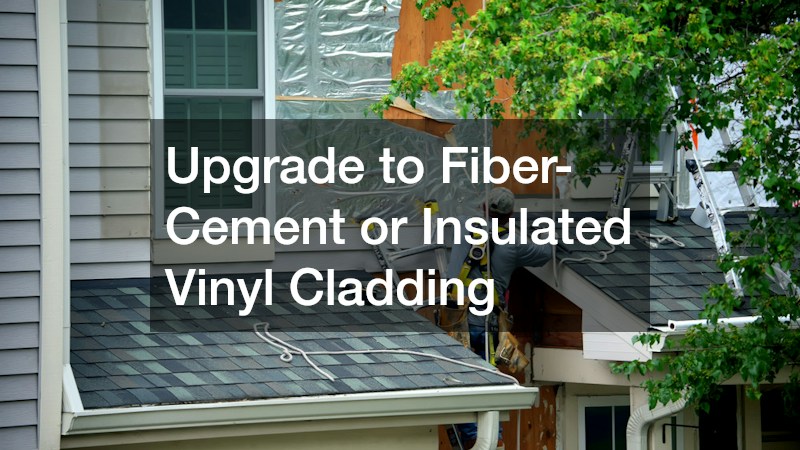
The exterior envelope serves as a home’s primary defense against moisture intrusion and thermal loss. Because buyers judge a property’s value from the curb instantly, exterior cladding replacements consistently rank among the most profitable remodeling projects. Resale benchmarks demonstrate that replacing failing or dated exteriors with high-quality fiber-cement boards can recoup over one hundred percent of project costs at resale. Insulated vinyl alternatives routinely recoup roughly ninety to ninety-five percent. This high return is driven by the fact that modern cladding instantly updates a dated facade while protecting underlying wood sheathing from rot. When embarking on this upgrade, work with a reputable siding contractor who will thoroughly inspect the house wrap, upgrade the window flashing, and install low-maintenance trim packages.
- Moisture Management: Modern cladding systems incorporate advanced drainage planes that allow trapped moisture to escape, preventing structural rot inside wall cavities.
- Pest Deterrence: Materials like fiber-cement are impervious to termites and woodpeckers, eliminating a major source of ongoing maintenance anxiety for future owners.
- Aesthetic Continuity: Utilizing wider profiles and historically accurate textures can transform a neighborhood eyesore into a premium listing without altering the footprint.
Pair Air Sealing with High-R-Value Attic Upgrades
While new exterior cladding addresses the vertical envelope, addressing the horizontal thermal barrier in the attic is equally essential for maximizing property value. Attic and rim-joist upgrades deliver exceptionally high returns because they directly lower annual heating and cooling expenses by hundreds of dollars while increasing indoor comfort. The fundamental rule of building science is the envelope first principle, dictating that sealing bypass leaks around recessed lights, plumbing chases, and attic hatches must occur before adding blown-in cellulose. Without proper air sealing, conditioned air will continue to escape regardless of how thick the blanket of material is. To ensure verifiable results, homeowners should hire a certified insulation company that performs comprehensive diagnostic testing before and after the application.
- Blower-Door Testing: A pre- and post-installation blower-door test quantifies the reduction in air leakage, providing tangible proof of improved structural tightness.
- Thermal Imaging: Infrared scans pinpoint hidden thermal bridges and missing coverage areas, ensuring the final application is completely uniform across the ceiling plane.
- Ventilation Balance: A professional installation guarantees that soffit and ridge vents remain unblocked by adding proper baffles, preventing winter ice dams and roof damage.
Schedule a Manual J Load Calculation
Aging mechanicals act as red flags during a real estate transaction. A heating unit nearing the end of its lifespan often triggers aggressive buyer credit requests during the escrow period, effectively reducing the seller’s net profit. Modernizing these systems preemptively allows sellers to control replacement costs and leverage the new equipment as a primary selling point. Selecting the right equipment requires precise engineering. Relying on outdated sizing methods frequently results in oversized equipment that short-cycles, creates uneven temperatures, and suffers premature component failure. To prevent this, homeowners should interview several HVAC contractors to find a professional who utilizes industry-standard load calculation software to determine the exact heating requirements of the specific property.
- Precise Equipment Sizing: A room-by-room calculation accounts for variables like window orientation and ceiling height, ensuring the selected unit matches the true thermal load.
- Static Pressure Evaluation: Evaluating the existing ductwork’s static pressure ensures the new equipment will not be suffocated by poorly designed air distribution systems.
- Consistent Comfort: Properly sized systems run longer cycles, mixing indoor air to eliminate freezing lower levels and sweltering upper floors.
Leverage Smart Zoning and High-Efficiency Ratings
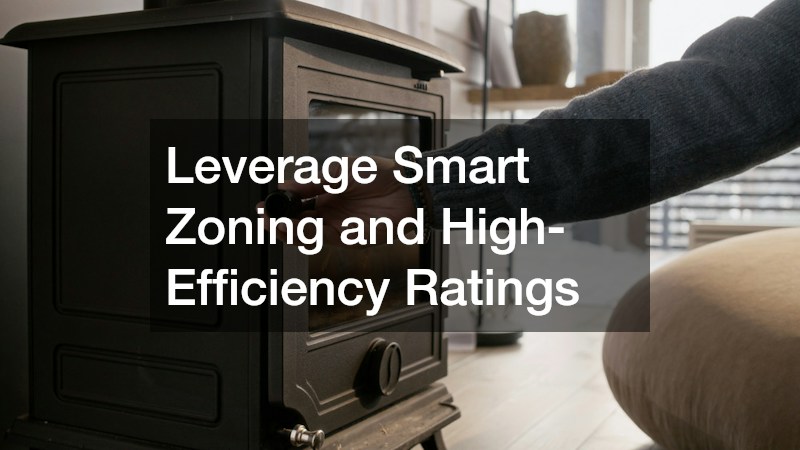
Upgrading to a high-efficiency system provides an immediate boost to appraisal confidence, particularly in regions that experience severe seasonal temperature swings. A high-AFUE setup or a modern dual-fuel heat pump appeals directly to buyers who want peace of mind that winter utility bills will remain predictable. Furthermore, integrating smart zoning technology with multi-zone dampers allows occupants to customize temperatures in different areas of the house. Documenting a recent furnace installation with transferable manufacturer warranties completely removes one of the largest financial anxieties for first-time homebuyers who are often stretched thin by their down payment.
- Programmable Precision: Smart thermostats learn household routines and optimize equipment run times, reducing energy waste while the property is unoccupied during the day.
- Zoned Dampers: Motorized duct dampers direct airflow specifically to occupied rooms, solving the inherent design flaws of open-concept, multi-story floor plans.
- Tax Credits and Rebates: Modern high-efficiency systems often qualify for federal energy-efficiency tax credits and utility rebates, significantly reducing the initial capital outlay required.
Switch to Tankless or Heat-Pump Hot Water Units
Hot water delivery systems are critical infrastructure components that heavily influence a buyer’s perception of mechanical health. Standard storage tanks typically have an eight-to-twelve-year lifespan and are notorious for failing catastrophically, often causing significant water damage to surrounding drywall. Transitioning to advanced technologies like tankless on-demand units or hybrid heat-pump models offers immense buyer-facing benefits. Tankless systems can last upward of twenty years, provide an endless supply of hot water, and eliminate standby energy loss associated with keeping a large tank constantly heated. Furthermore, wall-mounted units free up valuable square footage in utility closets. When planning this upgrade, a professional water heater installation is paramount to ensure safety, efficiency, and municipal code compliance.
- Venting and Clearances: High-efficiency units require specific PVC venting configurations that must be routed correctly to prevent dangerous carbon monoxide buildup inside the home.
- Gas Line Upgrades: Tankless systems often demand a higher immediate BTU input, sometimes requiring an upsized gas meter or larger diameter gas lines to operate correctly.
- Safety Mechanisms: Professional setups include essential safeguards like thermal expansion tanks, leak-shutoff valves, and accessible service isolation valves for maintenance.
Replace Aging Galvanized or Polybutylene Pipes
Hidden plumbing infrastructure can easily derail a home inspection and inflate a homeowner’s insurance premiums. Properties built before the nineteen-nineties frequently harbor aging galvanized steel lines, which corrode from the inside out, leading to dramatically reduced water pressure and rust-discolored water. Similarly, homes constructed later may contain polybutylene piping, a material infamous for unexpected ruptures and catastrophic flooding. Proactively repiping a home with modern PEX or rigid copper tubing removes a massive barrier to sale and ensures the property can be insured without expensive underwriting surcharges. To accurately assess the condition of unseen infrastructure, sellers should retain a comprehensive plumbing service to perform a whole-home pressure check and a camera sewer scope.
- PEX Flexibility: Cross-linked polyethylene tubing resists freeze-breaks better than rigid pipes and can be snaked through existing wall cavities with minimal drywall damage.
- Consistent Water Pressure: Removing mineral-choked galvanized lines restores powerful, consistent flow to custom showers and high-end, multi-function kitchen fixtures.
- Sewer Line Integrity: Scoping the lateral sewer line to the street identifies root intrusions or bellied sections, allowing sellers to perform trenchless repairs proactively.
Eliminate Mineral Scale Buildup to Extend Appliance Lifespan
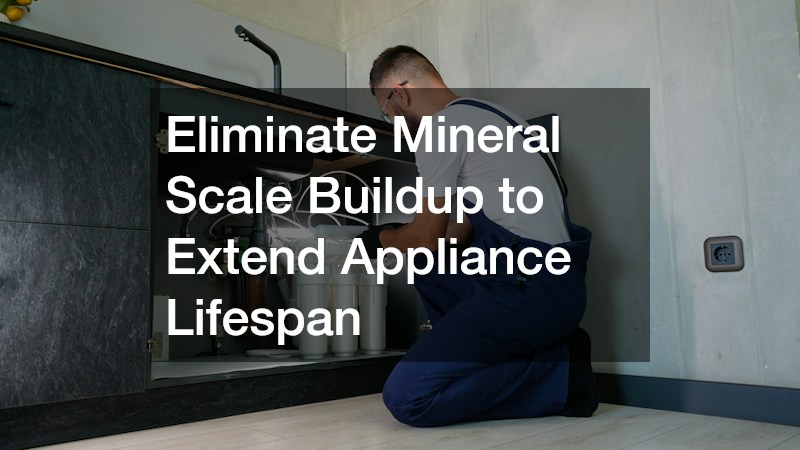
While buyers love touring freshly remodeled kitchens and spa-like bathrooms, the longevity of these expensive renovations is heavily dependent on the quality of the home’s water supply. In regions characterized by hard water, elevated levels of calcium and magnesium rapidly degrade high-end fixtures. Hard water leaves stubborn mineral scale inside dishwashers, washing machines, and the heat exchangers of modern boilers, drastically reducing efficiency and frequently voiding warranties. Furthermore, untreated water etches glass shower enclosures and clogs rainfall showerheads, turning luxury features into maintenance nightmares. To protect expensive investments in new appliances and plumbing fixtures, point-of-entry water conditioning is highly recommended. Installing a metered, demand-initiated water softener ensures that every drop flowing through the home is properly treated before it ever reaches a sensitive appliance or a decorative faucet.
- Appliance Preservation: Soft water prevents the accumulation of scale on internal heating elements, allowing appliances to operate efficiently and extending their functional lifespan by years.
- Easier Cleaning: Removing hard minerals means soap lathers more effectively, reducing the amount of detergent needed and eliminating hard scrubbing on acrylic tubs and porcelain sinks.
- Fixture Protection: Softened water prevents the unsightly white crust that accumulates around aerators and the base of expensive polished nickel or matte black bathroom faucets.
Install Point-of-Entry Purification
Beyond protecting the mechanical infrastructure, exceptional water quality has become a standout selling point for health-conscious buyers. There is a rising market demand for drinking and bathing water free from chlorine, sediment, agricultural runoff, and emerging contaminants. While under-sink reverse osmosis units are excellent for providing pristine cooking water at the kitchen prep area, they do not address the water used for showering or brushing teeth. Upgrading to whole-house carbon and ultraviolet light setups ensures that every tap delivers exceptional quality. Highlighting integrated water filtration systems on real estate listing feature sheets and open-house signage positions the property as a premium, move-in-ready sanctuary that prioritizes occupant wellness from day one.
- Chlorine Removal: Granular activated carbon tanks remove the chemical taste and harsh smell of municipal chlorine, which also prevents skin and hair dryness after showering.
- Sediment Filtration: High-flow spun-polypropylene pre-filters capture rust and sand, protecting downstream valves and sensitive toilet fill mechanisms.
- Bacterial Eradication: For homes on private wells, an ultraviolet purification stage sterilizes groundwater, ensuring microbiological safety of the domestic supply.
Replace Worn Carpeting with Continuous Hardwood or Luxury Vinyl Plank
Surface aesthetics play a crucial role in framing a buyer’s emotional connection to a property, and flooring is the largest continuous surface in any home. Dated, stained, or heavily pet-worn carpeting immediately anchors a prospective buyer’s mental offer price downward, as they calculate the cost of replacing it. Upgrading these surfaces yields substantial returns. Site-finished or prefinished solid hardwood remains the gold standard for timeless appraisal value and can be refinished for generations. Alternatively, waterproof rigid-core luxury vinyl plank has revolutionized the market, offering incredible durability for high-moisture areas like basements and kitchens, as well as scratch resistance for pet-friendly households. Utilizing professional flooring services to run continuous planks across the entire main living area without breaking the visual flow with clunky transition strips makes tight floor plans feel wider, more cohesive, and architecturally thoughtful.
- Visual Expansion: Running flooring parallel to the longest wall or primary light source creates an illusion of depth, making modestly sized rooms appear expansive and inviting.
- Allergen Reduction: Removing old carpeting eliminates a massive reservoir for dust mites and pet dander, appealing instantly to buyers with respiratory sensitivities or indoor allergies.
- Ease of Maintenance: Hard surface flooring requires a fraction of the maintenance compared to carpet, requiring only routine sweeping and damp mopping to remain completely pristine.
Upgrade to a 200-Amp Service Panel
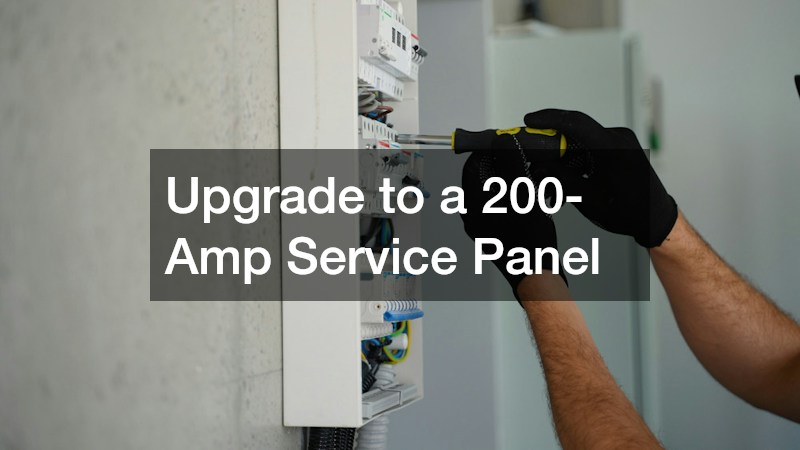
While flooring dazzles the eye, the underlying electrical grid must be robust enough to support contemporary living. Modern households place immense demands on residential power infrastructure. Standard one-hundred-amp panels or legacy fuse boxes cannot handle the loads required by electric vehicle chargers, high-powered induction ranges, and newly installed heat pumps. Consequently, lenders and insurance companies frequently flag outdated panels as safety hazards. Expanding electrical capacity is a non-negotiable upgrade for serious sellers. Upgrading to a modern two-hundred-amp service allows for the integration of high-ROI electrical touches, such as Level 2 EV-ready garage outlets, dedicated circuits for heavy appliances, and layered LED lighting. Executing this improvement requires a licensed electrician to pull municipal permits, ensure all wet zones feature proper GFCI and AFCI protection, and provide a labeled circuit directory for the buyer’s final walk-through.
- Future-Proofing Capacity: A two-hundred-amp panel provides ample breaker space and amperage overhead for future owners to finish basements or add external accessory dwelling units seamlessly.
- Safety Compliance: Upgrading eliminates hazardous, overloaded double-tapped breakers and replaces outdated, recalled equipment brands that terrify home inspectors and conservative mortgage underwriters.
- Smart Home Integration: Modern panels can be paired with smart energy monitors that allow homeowners to track granular power consumption from their smartphones, adding significant technological appeal.
Executing high-return home improvements requires a disciplined strategy that balances aesthetic appeal with mechanical reliability. Cosmetic renovations may catch the eye on a listing, but the integrity of the home’s envelope, climate systems, water quality, and electrical grid sustains appraisal value and prevents deals from failing inspections. Successful real estate transactions occur when a buyer has confidence in the structural and operational health of the property. Homeowners looking to maximize equity should start with a comprehensive assessment, addressing thermal, mechanical, and safety bottlenecks before allocating funds to finishes. By future-proofing the systems that keep a house running smoothly, every renovation dollar builds lasting property value that pays dividends on closing day.