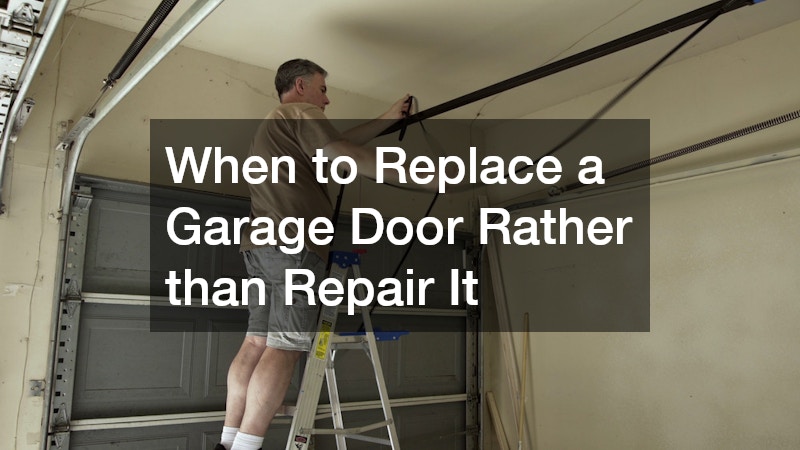
Some garage door repairs are simple and you can take care of them. However, sometimes the big problems add up or a smaller problem just keeps coming back and doesn’t seem worth the hassle. It’s always a good idea to consider when it’s time to fully replace your garage door rather than spending the time and effort to repair it. Here are a few signs to watch out and some expert advice on how you should handle the process.
1. What Signs Indicate You Need to Replace Your Garage Door?
Understanding the signs of garage door failure can prevent inconvenience and potential safety hazards. Frequent breakdowns are often an indicator that your garage door is reaching the end of its usable life span.
If your door is consistently malfunctioning even after repairs, it might be more efficient and cost-effective in the long run to replace it entirely. This persistent issue can stem from numerous underlying problems, such as worn-out components or outdated technology. In these scenarios, replacing might be the best course of action to restore reliability and smooth operation.
Visible damage and deterioration are clear signs that a garage door replacement is necessary. Over time, exposure to the elements can cause wear and tear, including rust, warping, or cracks. These physical defects not only affect the door’s performance but can also compromise the security of your home. A weathered and damaged door is less likely to provide adequate protection against intruders and harsh weather conditions. Therefore, addressing any apparent damage with a replacement will enhance both the function and safety of your garage access.
2. How Does the Age of a Garage Door Affect Replacement Decisions?
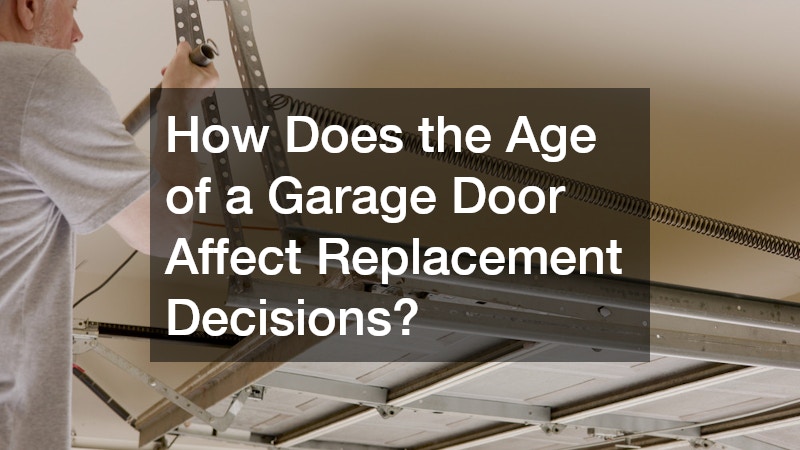
The lifespan of garage doors plays a significant role in deciding between repair and replacement. Most garage doors have a life expectancy of 15 to 30 years, depending on the material and usage. Age-related wear can lead to performance decline, making older doors less efficient and more prone to malfunctions. As components age, they may become brittle or rusted, further impairing the door’s function. Acknowledging the natural lifespan of your garage door can help you make timely decisions regarding its replacement.
Performance decline in older models can manifest as increased noise, slower operation, and more frequent repairs. As garage doors age, they may not open and close as smoothly as they once did. This can be both inconvenient and unsafe, especially if the door hesitates or reverses unexpectedly. Moreover, the availability of replacement parts for older models becomes limited, driving up the cost and complexity of repairs. In such cases, investing in a new garage door may provide a more satisfactory and durable solution.
3. What Are the Cost Considerations When Replacing a Garage Door?
Estimating replacement costs for garage door service involves considering various factors such as material, size, and features. Generally, the cost of replacing a garage door ranges from a few hundred to several thousand dollars, influenced by the choice of materials and additional features. Wooden doors, for instance, typically cost more than steel or aluminum doors due to their aesthetic appeal and weight. It’s essential to assess these factors to set a realistic budget and explore multiple options to find the best fit for your needs and financial capacity. Obtaining detailed estimates from multiple suppliers can help you make an informed decision with no financial surprises.
Comparing material and style options can significantly impact the replacement cost and the door’s overall function and aesthetic. Steel doors are commonly chosen for their durability and low maintenance, whereas wooden doors offer a classic look but require more care. Furthermore, sectional garage doors are popular for their versatility and space-saving design. Long-term value and investment are essential to consider, focusing on the door’s warranty, longevity, and potential home value enhancement. Reviewing various options can help homeowners select a door that meets their functional and stylistic preferences.
Deciding between repairing or replacing your garage door depends on multiple factors, including the age of the door, the extent of the damage, safety concerns, and cost implications. By understanding these elements, you can make an informed decision that ensures the functionality, safety, and aesthetics of your home. Whether you opt for repair or replacement, your garage door plays a vital role in the overall operation and security of your property.