Proper home maintenance goes far beyond cosmetic updates or seasonal cleaning. One often-overlooked aspect of a well-maintained home is the drainage system. From kitchen sinks to outdoor runoff, the plumbing network plays a crucial role in maintaining comfort, safety, and hygiene. Clogged or poorly maintained drains can lead to a cascade of problems, including water damage, mold growth, unpleasant odors, and expensive emergency repairs.
Regular drain cleaning is a proactive measure that helps prevent these issues and ensures your home’s plumbing operates efficiently. Maintaining your drains not only safeguards your property but also supports overall family health by reducing exposure to bacteria and stagnant water.
This comprehensive guide explores the importance of consistent drain care, practical prevention tips, signs that professional attention is required, and how to coordinate drain maintenance with other aspects of home upkeep, including projects involving local siding contractors. Whether you are a new homeowner or managing an older property, understanding the full scope of your drainage system is essential for long-term home health.
Understanding the Role of Drain Systems in Your Home
In addition to managing daily wastewater flow, drain systems play a critical role in protecting a home from water-related damage and sanitation concerns. When drains function efficiently, they reduce pressure within pipes, prevent wastewater backups, and help maintain proper balance throughout the plumbing network. A single compromised drain can place strain on connected lines, increasing the likelihood of leaks or pipe failures in other areas of the home.
Seasonal changes also affect household drains. During colder months, grease and soap residue can harden more quickly inside pipes, narrowing passageways and increasing the risk of clogs. In warmer seasons, heavier water usage and storm runoff can overwhelm drainage systems that are already partially obstructed. Being aware of these seasonal impacts allows homeowners to adjust maintenance routines accordingly and avoid sudden plumbing emergencies.
Older homes, in particular, benefit from consistent drain monitoring. Aging pipes made from cast iron, clay, or galvanized steel are more susceptible to corrosion, cracking, and root intrusion. Tree roots naturally seek moisture and can infiltrate underground drain lines through small fractures, causing slow drainage and recurring blockages. Early detection through inspections helps prevent extensive excavation or pipe replacement.
Educating household members on proper drain usage further supports system longevity. Avoiding the disposal of grease, coffee grounds, wipes, and other non-flushable items significantly reduces buildup inside pipes. Installing drain strainers in sinks and showers provides an added layer of protection by capturing debris before it enters the system.
By incorporating routine checks, mindful usage habits, and professional assessments, homeowners can maintain reliable drainage throughout the property. A well-maintained drain system not only supports everyday convenience but also safeguards the home’s structure, reduces long-term repair costs, and ensures a healthier living environment for everyone inside.
Common Causes of Drain Clogs and How to Prevent Them
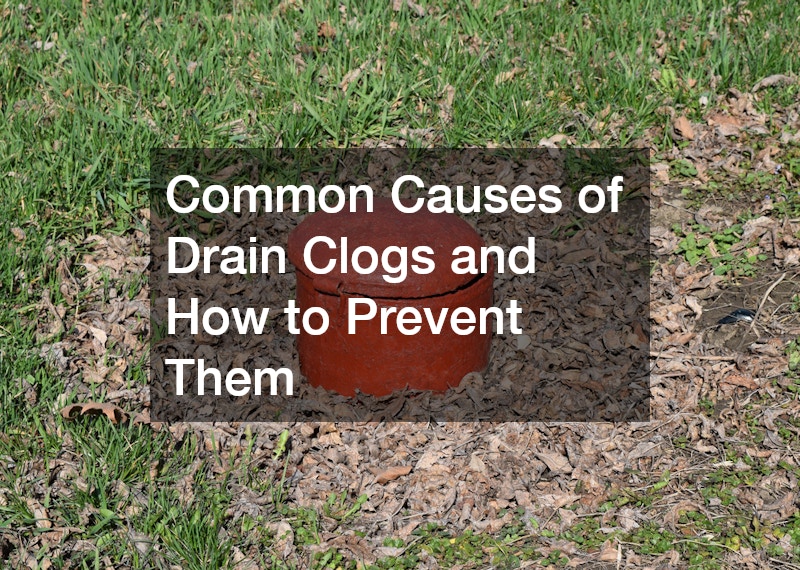
Clogs often develop gradually from everyday debris that accumulates in pipes. Common culprits include hair, soap residue, grease, coffee grounds, and food scraps. Even small obstructions can eventually slow drainage or cause backups.
Water heaters also play a role in drainage efficiency. Sediment buildup inside tanks can reduce water flow and affect sink and shower performance. This makes regular maintenance critical.
Prevention strategies include:
-
Using drain screens to catch hair, food, and other debris.
-
Avoiding pouring grease or oil down the sink; instead, dispose of it in a separate container.
-
Running hot water through drains weekly to flush minor buildups.
-
Scheduling professional drain cleaning before water heater installation or maintenance to ensure full system efficiency.
By addressing these common causes proactively, homeowners can significantly reduce the frequency of clogs and extend the lifespan of plumbing components. Preventive care is always less costly than emergency repairs.
Signs That You Need Professional Drain Cleaning
Recognizing the early warning signs of drainage problems is critical. While minor slowdowns can often be handled with home remedies, persistent issues may require professional attention.
Common indicators:
-
Slow drainage in sinks, tubs, or showers.
-
Water pooling around floors or fixtures.
-
Gurgling or bubbling noises in drains.
-
Foul odors emanating from pipes.
-
Repeated backups or minor flooding.
Actionable tips:
-
Keep a log of drainage issues to provide a plumber with detailed information.
-
Contact a licensed plumber promptly when warning signs appear.
-
Schedule preventive drain cleaning at least once a year to avoid serious issues.
Ignoring early signs can lead to pipe corrosion, structural water damage, and even mold growth. Timely professional intervention is key to avoiding costly repairs.
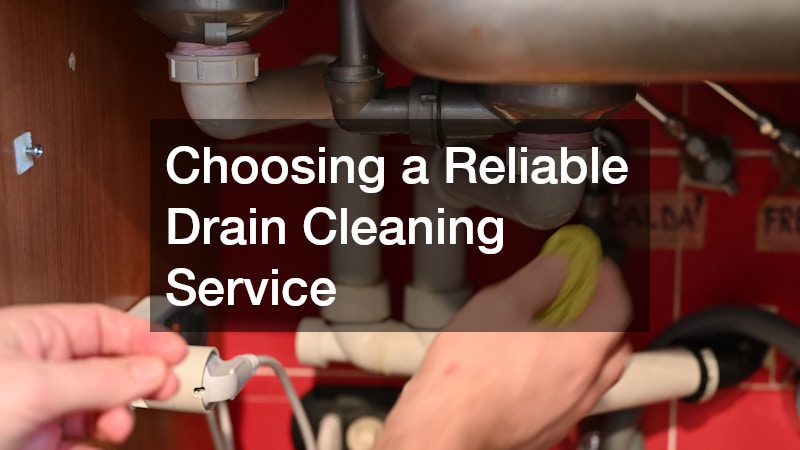
Choosing a Reliable Drain Cleaning Service
Selecting a professional service is critical for effective and safe drain maintenance. The right team will have the tools, experience, and knowledge to handle a variety of plumbing challenges without causing damage.
Tips for choosing a service:
-
Verify licenses, certifications, and insurance coverage.
-
Read reviews and request references from previous clients.
-
Inquire about cleaning methods, including snaking, hydro-jetting, and chemical-free options.
-
Ask about emergency services and response times.
Working with a reputable service ensures that drain cleaning is thorough and reduces the risk of recurring problems. Professional assessment also helps detect underlying issues in pipes and connections.
Integrating Drain Maintenance with Other Home Systems
In addition to managing daily wastewater flow, drain systems play a critical role in protecting a home from water-related damage and sanitation concerns. When drains function efficiently, they reduce pressure within pipes, prevent wastewater backups, and help maintain proper balance throughout the plumbing network. A single compromised drain can place strain on connected lines, increasing the likelihood of leaks or pipe failures in other areas of the home.
Seasonal changes also affect household drains. During colder months, grease and soap residue can harden more quickly inside pipes, narrowing passageways and increasing the risk of clogs. In warmer seasons, heavier water usage and storm runoff can overwhelm drainage systems that are already partially obstructed. Being aware of these seasonal impacts allows homeowners to adjust maintenance routines accordingly and avoid sudden plumbing emergencies.
Older homes, in particular, benefit from consistent drain monitoring. Aging pipes made from cast iron, clay, or galvanized steel are more susceptible to corrosion, cracking, and root intrusion. Tree roots naturally seek moisture and can infiltrate underground drain lines through small fractures, causing slow drainage and recurring blockages. Early detection through inspections helps prevent extensive excavation or pipe replacement.
Educating household members on proper drain usage further supports system longevity. Avoiding the disposal of grease, coffee grounds, wipes, and other non-flushable items significantly reduces buildup inside pipes. Installing drain strainers in sinks and showers provides an added layer of protection by capturing debris before it enters the system.
By incorporating routine checks, mindful usage habits, and professional assessments, homeowners can maintain reliable drainage throughout the property. A well-maintained drain system not only supports everyday convenience but also safeguards the home’s structure, reduces long-term repair costs, and ensures a healthier living environment for everyone inside.
Maintaining Exterior Drainage and Sewer Lines
Effective outdoor drainage does more than prevent visible puddles; it protects the home’s structural stability and long-term value. When water is allowed to accumulate near the foundation, hydrostatic pressure can build up, increasing the risk of cracks, basement seepage, and soil erosion. Over time, these conditions may compromise foundation walls and create persistent moisture problems that are costly to correct.
Regular maintenance of exterior drainage components is especially important during seasonal transitions. Heavy rainfall, snowmelt, and falling debris can quickly overwhelm gutters, downspouts, and underground drain lines. Leaves, sediment, and ice buildup can restrict water flow, forcing runoff back toward the structure. Clearing debris and confirming proper drainage paths after storms helps prevent sudden failures.
Homeowners should also be mindful of driveway drains, window wells, and retaining walls, as these areas often collect water and debris. Installing protective grates or covers can improve water flow while reducing the chance of clogging. For properties with sump pump systems, periodic testing ensures pumps activate properly during periods of high groundwater.
When exterior upgrades or repairs are planned, drainage considerations should always be part of the project scope. Coordinating efforts with siding or roofing professionals helps maintain proper water shedding and prevents unintended disruptions to existing drainage systems. A well-planned exterior drainage strategy minimizes risk, enhances yard usability, and provides lasting protection against water-related damage.
The Role of Septic Systems in Drain Health
For homes with septic systems, maintaining proper function is essential for overall drainage health. Septic tanks that are neglected can lead to backups, slow drains, and foul odors.
Septic care tips:
-
Schedule regular septic pumping service according to tank size and household use.
-
Avoid flushing non-biodegradable materials such as wipes, plastics, or feminine hygiene products.
-
Coordinate septic maintenance with drain cleaning inspections.
-
Monitor for warning signs like slow toilets, backups, or unusual odors.
Proper septic maintenance protects both indoor plumbing and the surrounding environment, preventing long-term damage to your home’s drainage system.
Protecting Drainage Systems During Roof Installation
Proper drainage planning is a critical component of any roofing project, as water management directly impacts the home’s structural integrity. When working with a local residential roofing company, existing gutters, flashing, and downspouts must be carefully evaluated during a roof installation to ensure they continue directing water safely away from the foundation. Even minor misalignments can cause runoff to spill into siding, window frames, or landscaping, increasing the risk of moisture intrusion and erosion.
Roofers should assess how the new roofing materials interact with current drainage systems. Heavier or differently contoured shingles can alter water flow patterns, making adjustments to gutters or extensions necessary. This is especially important for homes with basements, crawl spaces, or older foundations that are more vulnerable to water pressure and seepage.
Homeowners benefit from coordinating drainage inspections alongside a roof installation to identify potential issues before they escalate. Ensuring downspouts are clear, splash blocks are positioned correctly, and slopes remain intact helps preserve both the roof and the surrounding structure. When roofing and drainage systems function together seamlessly, they provide long-term protection, reduce maintenance needs, and prevent costly water-related repairs that can arise long after the project is complete.
Emergency Drain Situations and How to Respond
Even with regular maintenance, emergencies can occur. Knowing how to respond quickly can prevent water damage and costly repairs.
Common emergencies include:
-
Complete blockages in kitchen or bathroom drains.
-
Sudden flooding from heavy rainfall or broken pipes.
-
Foul odor buildup from stagnant wastewater.
Actionable response steps:
-
Shut off water supply immediately to prevent overflow.
-
Avoid using chemical drain cleaners for severe clogs, as they can damage pipes.
-
Contact a licensed plumber or drain cleaning service for professional assistance.
-
Document the situation for insurance purposes if needed.
Having a trusted plumber on call ensures prompt resolution and reduces the risk of structural damage or health hazards.
Preventive Maintenance Schedule for a Healthy Home
A structured maintenance schedule helps homeowners prevent drain issues before they arise. Combining regular drain cleaning with plumbing inspections ensures efficiency and longevity.
Suggested preventive schedule:
-
Monthly: Minor drain inspections and flushing with hot water.
-
Quarterly: Check water heaters for sediment buildup and perform basic maintenance.
-
Annually: Professional drain cleaning and full plumbing inspection.
-
As needed: Coordinate water heater installation or replacement with preventive plumbing checks.
Consistency in scheduling not only protects drains but also improves overall plumbing performance and extends the life of household systems.
Long-Term Benefits of Regular Drain Cleaning
Maintaining clean, efficient drains is a cornerstone of responsible home ownership. Regular drain cleaning not only prevents clogs and backups but also safeguards overall home health. By integrating professional services, including local plumbing services, local roofers, and septic pumping, homeowners can address potential issues early and prevent costly emergencies. Coordinating indoor and outdoor maintenance ensures that drainage systems—from sinks and toilets to gutters and sewer lines—function optimally.
Taking a proactive approach to drain care supports long-term home efficiency, reduces repair expenses, and promotes a safe and hygienic living environment. Whether addressing minor slowdowns, preparing for preventive maintenance, or responding to emergencies, consistent attention to your home’s plumbing systems is essential. By combining routine inspections, professional cleaning, and local roofers, and thoughtful coordination with trusted service providers, homeowners can enjoy reliable water flow, prevent structural damage, and maintain the overall value and comfort of their property for years to come.