Homeownership brings a sense of stability, pride, and long-term investment, but it also comes with ongoing responsibility. A home is not a static asset; it requires consistent attention to remain safe, efficient, and comfortable. Without regular upkeep, small issues can gradually turn into costly repairs, structural damage, or even safety hazards. This is why having a comprehensive maintenance checklist is essential for every homeowner, regardless of the property’s age or condition.
Many homeowners underestimate how interconnected various systems within a home truly are. For example, a minor issue with water flow can affect appliances, fixtures, and even the foundation if left unchecked. Similarly, exterior components such as roofing, siding, and drainage systems play a critical role in protecting the interior environment. When one system fails, it often places additional strain on others, creating a chain reaction of problems that could have been avoided with routine inspection and care.
Seasonal changes also play a major role in home maintenance. Temperature fluctuations, humidity levels, precipitation, and storms can all impact different parts of a home in unique ways. Preparing a home for winter, summer, spring, and fall involves more than just cosmetic adjustments. It requires proactive checks of mechanical systems, structural elements, and water-related components to ensure everything continues functioning as intended.
Another important consideration is efficiency. A well-maintained home not only reduces repair costs but also improves energy and water efficiency. Systems that operate smoothly tend to consume less energy and require fewer resources, which can lead to noticeable savings over time. Whether it is heating and cooling systems, plumbing infrastructure, or water supply mechanisms, maintenance directly contributes to performance optimization.
Safety is another critical factor that should never be overlooked. Elements such as ventilation systems, waste management systems, and combustion appliances must remain in proper working condition to protect the health of occupants. Regular inspections and timely servicing help reduce risks such as leaks, blockages, structural damage, or air quality concerns.
By following a structured checklist and addressing each area of the home systematically, homeowners can extend the lifespan of their property, maintain its value, and ensure a safe and comfortable living environment. The sections below outline key areas that deserve attention as part of a complete home maintenance strategy.
Keeping Your Home’s Windows Operating Efficiently
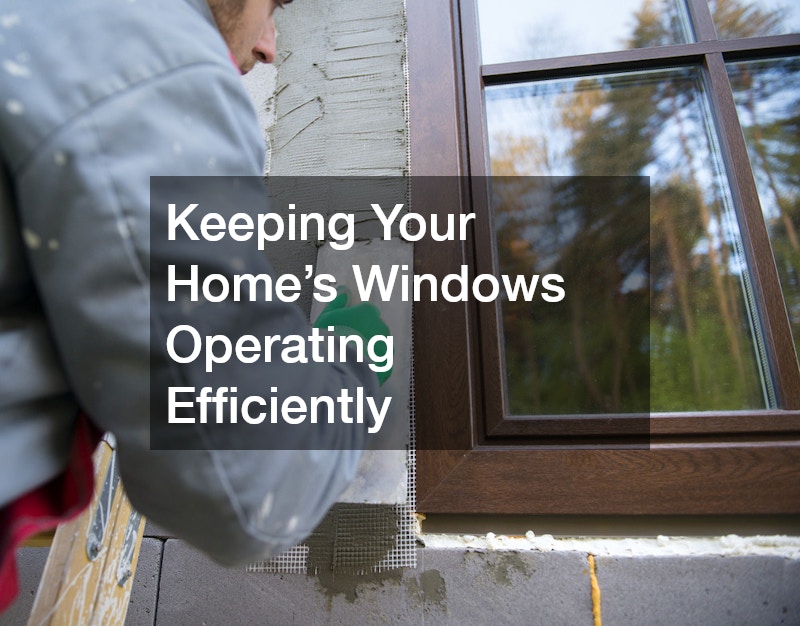
Windows play a vital role in maintaining both the comfort and efficiency of a home. Over time, components such as seals, frames, locks, and moving parts can wear down due to exposure to weather, temperature changes, and general use. Regular inspection helps identify issues like air leaks, condensation between panes, or difficulty opening and closing windows, all of which can impact insulation and usability.
A professional window service can help ensure that seals remain intact, frames are properly aligned, and any worn components are repaired or replaced before they lead to larger problems. Proper upkeep of windows helps regulate indoor temperature by preventing drafts and minimizing heat transfer. This contributes to lower energy consumption and reduces the strain on heating and cooling systems.
Cleaning tracks, lubricating moving parts, and checking for damaged seals are simple tasks that can significantly improve performance. In addition to efficiency, windows also contribute to safety and security. Ensuring that locks function properly and that glass remains intact helps protect the home from unauthorized access and environmental exposure. Addressing minor issues early can prevent the need for more extensive replacements later, making window care an important part of overall home maintenance.
Maintaining Reliable Access to Clean Groundwater
For homes that rely on private water systems, maintaining consistent access to groundwater is essential. The well system must operate efficiently to deliver clean water for daily use, including drinking, cooking, cleaning, and bathing. Components such as pumps, pressure tanks, and control systems should be inspected regularly, and scheduling a well pump service helps ensure the system continues operating at optimal performance.
Common signs of potential issues include reduced water pressure, inconsistent flow, unusual noises, or discolored water. These symptoms may indicate mechanical wear, electrical issues, or contamination concerns. Addressing these problems promptly helps prevent disruptions in water supply and protects the system from further damage.
Routine maintenance helps extend the lifespan of the well system and ensures that water quality remains high. Periodic testing of water for contaminants is also recommended to maintain safety standards. By keeping the system in good working condition, homeowners can avoid unexpected interruptions and maintain a reliable source of water year-round.
Protecting Your Property from Waste System Issues
Waste management systems are essential for handling household wastewater safely and efficiently. A properly functioning system ensures that waste is processed and disposed of without causing environmental or structural damage. Regular monitoring helps detect early signs of trouble, such as slow drainage, unpleasant odors, or pooling water in the yard. Scheduling septic repairs when issues arise is critical to maintaining system integrity and preventing larger failures.
Preventive care includes avoiding the disposal of non-biodegradable materials, scheduling routine inspections, and monitoring system performance. When issues arise, timely intervention is critical to prevent backups, leaks, or system failures that could lead to costly repairs and health hazards.
Maintaining this system also helps protect the surrounding environment by preventing contamination of soil and groundwater. Proper care ensures that wastewater is treated effectively and that the system continues to operate within safe and efficient parameters. This is an area of home maintenance that requires attention to detail and consistency.
Ensuring Consistent Water Flow Throughout Your Home

A reliable water distribution system is essential for daily household activities. Pipes, valves, fixtures, and supply lines all work together to deliver water to various parts of the home. Over time, these components can experience wear, corrosion, or blockages that affect performance. Materials may degrade due to mineral buildup, fluctuating water pressure, or age-related deterioration, which gradually reduces system efficiency. Regular awareness of how the system operates helps homeowners notice subtle changes before they become significant problems, making professional plumbing service an important part of long-term maintenance.
Common issues include leaks, reduced pressure, noisy pipes, and uneven water distribution. These problems can lead to wasted water, increased utility costs, and potential damage to walls, floors, or ceilings. Regular inspections help identify vulnerabilities and allow for timely repairs. In some cases, small leaks hidden behind walls or under floors may go unnoticed for extended periods, making early detection especially important.
Maintaining this system involves checking for visible leaks, monitoring water pressure, and ensuring that fixtures operate correctly. Proper upkeep helps prevent unexpected disruptions and ensures that water remains readily available when needed. A well-maintained system contributes to both convenience and efficiency in everyday living.
Maintaining Comfortable Indoor Temperatures Year-Round
Heating and cooling systems are responsible for maintaining indoor comfort regardless of external weather conditions. These systems must operate efficiently to regulate temperature, control humidity, and maintain air quality throughout the home. Working with an experienced HVAC contractor ensures that the system is properly sized, maintained, and serviced for optimal performance.
Routine maintenance includes cleaning filters, inspecting ducts, checking thermostat functionality, and ensuring that all components are operating correctly. Neglecting these tasks can result in reduced efficiency, higher energy bills, and uneven temperature distribution.
Seasonal servicing helps prepare the system for peak usage periods, whether during summer heat or winter cold. Regular maintenance also extends the lifespan of the equipment and reduces the likelihood of unexpected breakdowns. Keeping the system in good condition ensures consistent comfort and energy efficiency throughout the year.
Preventing Hot Water Interruptions in Daily Use
Hot water is a necessity for many household tasks, including bathing, cooking, and cleaning. The system responsible for heating water must be properly maintained to ensure consistent performance, making water heater repair an important consideration when issues arise.
Over time, sediment buildup, corrosion, and component wear can affect efficiency and reliability. Signs of potential issues include inconsistent water temperature, unusual noises, or reduced hot water supply.
Flushing the system periodically and inspecting key components helps maintain optimal performance and prevent failures. Regular maintenance ensures that the system heats water efficiently and delivers it when needed, improving comfort and reducing energy consumption.
Safeguarding Your Home Against Weather Damage
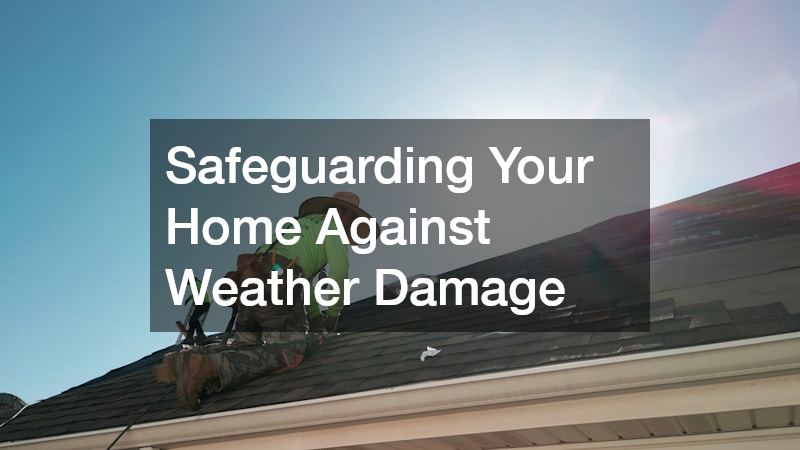
The roof serves as the first line of defense against environmental elements such as rain, snow, wind, and sunlight. Maintaining its integrity is essential for protecting the interior of the home from water intrusion and structural damage. Exposure to harsh weather conditions over time can gradually weaken roofing materials, making routine roofing service an important part of upkeep.
Regular inspections help identify issues such as missing shingles, leaks, or weakened areas. Addressing these concerns promptly prevents moisture from entering the home and causing damage to insulation, ceilings, and walls.
Proper maintenance also includes clearing debris, checking flashing, and ensuring that all components remain secure. A well-maintained roof contributes to the overall durability and safety of the property.
Managing Proper Drainage Around Your Property
Effective drainage is essential for directing water away from the home’s foundation. When water is not properly managed, it can accumulate around the property and lead to issues such as soil erosion, foundation damage, and basement leaks. Routine gutter repairs help ensure that water is properly directed away from the structure.
Maintaining drainage systems involves ensuring that channels remain clear of debris and that water flows freely away from the structure. Regular inspections help identify blockages, misalignments, or damage that could hinder performance.
Proper drainage protects both the structure and the surrounding landscape. By managing water flow effectively, homeowners can prevent long-term damage and maintain the stability of their property.
Preserving Exterior Surfaces and Structural Integrity
The exterior of a home is constantly exposed to environmental elements, making it susceptible to wear and deterioration over time. Maintaining exterior surfaces helps protect the underlying structure and preserve the home’s appearance. Scheduling siding service ensures that panels, finishes, and protective layers remain intact and effective.
Regular inspections can reveal issues such as cracks, warping, fading, or moisture damage. Addressing these concerns promptly helps prevent further deterioration and maintains the protective barrier of the home.
Proper care also contributes to energy efficiency by improving insulation and reducing exposure to external conditions. Keeping exterior surfaces in good condition enhances both durability and curb appeal.
Keeping Smoke and Ventilation Systems Functioning Safely
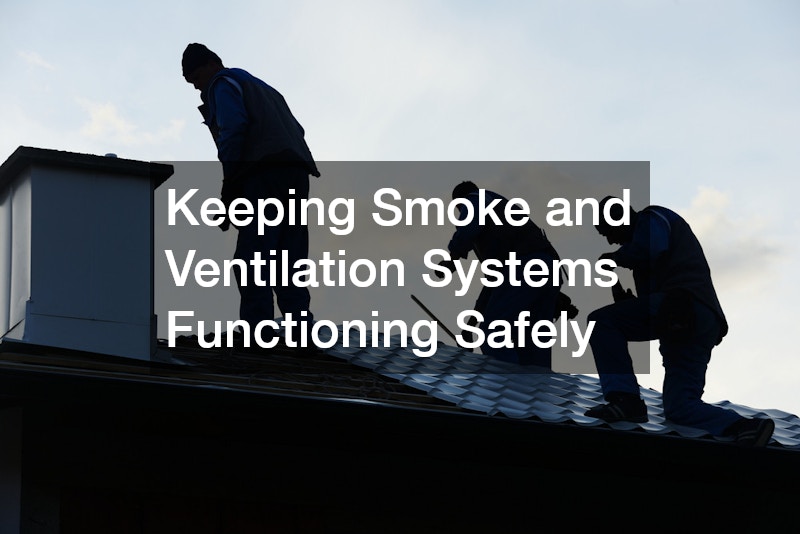
Ventilation systems that handle smoke and combustion byproducts must remain clear and functional to ensure safe operation. Over time, buildup and blockages can occur, reducing efficiency and increasing safety risks. Routine chimney repair helps maintain proper airflow and prevents hazards associated with obstructions or structural wear.
Routine inspections help ensure that airflow remains unobstructed and that all components are in good condition. This includes checking for debris, structural integrity, and proper ventilation pathways.
Maintaining these systems is essential for protecting indoor air quality and preventing hazards associated with poor ventilation. Regular care ensures that smoke and gases are properly directed outside the home.
A comprehensive home maintenance routine is one of the most effective ways to preserve the value, safety, and functionality of a property over time. Each system within a home plays a specific role, yet all are interconnected in ways that influence overall performance. By addressing maintenance needs consistently and proactively, homeowners can prevent minor issues from escalating into major repairs that require significant time and financial investment.
The checklist outlined above highlights key areas that deserve regular attention, including water systems, structural components, mechanical equipment, and exterior protections. When each of these areas is properly maintained, the home operates more efficiently, remains safer for occupants, and provides a higher level of comfort throughout the year.
Consistency is the foundation of effective home maintenance. Rather than waiting for visible problems to arise, adopting a routine schedule of inspections and servicing allows homeowners to stay ahead of potential issues. Seasonal maintenance is particularly valuable, as it ensures the home is prepared for changes in weather and environmental conditions.
In addition to preventing damage, regular upkeep contributes to long-term savings. Efficient systems consume fewer resources, operate more reliably, and require fewer emergency repairs. This translates into reduced utility costs and fewer unexpected expenses, making maintenance not just a necessity but a smart financial strategy.
Ultimately, maintaining a home is an ongoing responsibility that rewards diligence and attention to detail. By following a structured checklist and addressing each system with care, homeowners can enjoy peace of mind knowing their property remains secure, efficient, and well-protected for years to come.