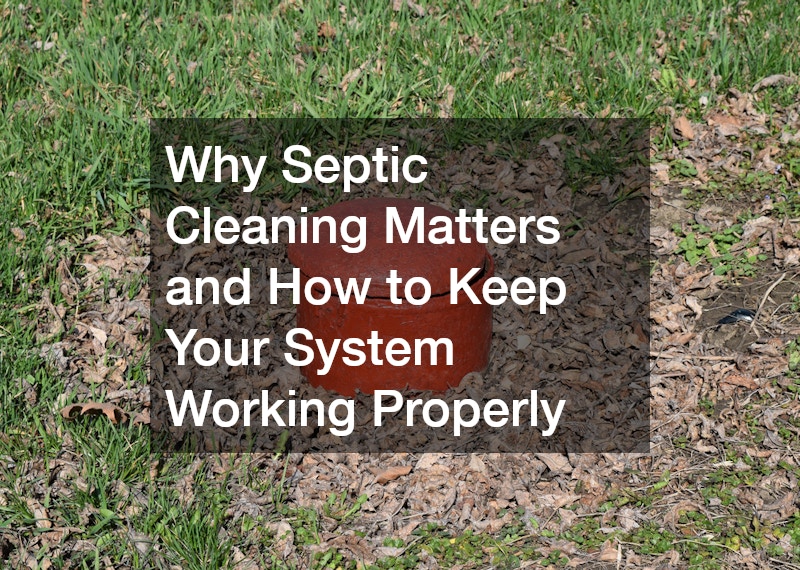
If you live in a home with a septic system, regular septic cleaning is one of the most important things you can do to keep it running smoothly. A septic system works quietly in the background, but when it’s not maintained, it can lead to messy and expensive problems. Understanding how septic cleaning works and why it matters can help you protect your home, your yard, and your budget.
What Is Septic Cleaning?
Septic cleaning means pumping out and removing all the solid waste and sludge that build up inside your septic tank. Over time, these materials collect at the bottom of the tank and can cause blockages if they are not removed.
Cleaning the tank helps the entire system work the way it should.
How a Septic System Works
Your septic system takes wastewater from toilets, sinks, dishwashers, and showers and sends it into a large underground tank. The tank separates solid waste from liquids. The liquids flow into the drain field, where the soil naturally filters them. The solid waste stays in the tank until it is cleaned out.
Why Septic Cleaning Is So Important
A septic tank can only hold so much. If it becomes too full, the system can fail. This can cause sewage backups, bad smells, slow drains, and even damage to your yard.
Prevents Backups and Flooding
One of the biggest reasons to schedule septic cleaning is to avoid sewage backing up into your home. Backups are not only disgusting—they can be very expensive to fix. Regular cleaning helps keep everything flowing properly.
Protects Your Yard and Drain Field
When a septic tank is too full, waste can overflow into the drain field. This can cause soggy patches, foul odors, and long-term soil damage. Cleaning the tank protects both the system and your property.
Saves Money Over Time
Septic cleaning is an affordable service, especially compared to repairing or replacing an entire system. Routine maintenance helps your septic tank last longer and prevents costly emergencies.
How Often You Should Schedule Septic Cleaning
Most homeowners need septic cleaning every 3 to 5 years, but this can change depending on your household size, tank size, and water usage.
Factors That Affect Cleaning Frequency
- Number of people living in the home
- Size of the septic tank
- Amount of water used daily
- Types of items flushed or drained
If you have a large family or use a lot of water, you may need cleaning more often.
Signs Your Septic System Needs Cleaning
Even if you’re not sure when your last cleaning was, your system may show signs that it’s overdue.
Common Warning Signs
- Slow drains throughout the house
- Gurgling sounds in pipes
- Bad smells inside or outside
- Standing water or soggy patches in the yard
- Toilets that don’t flush properly
If you notice any of these signs, call a septic professional right away.
What Happens During Septic Cleaning
Understanding the process can help you feel more comfortable when hiring a professional.
Step 1: Locating and Opening the Tank
The technician finds your septic tank, which may be underground, and opens the access lid.
Step 2: Pumping Out the Waste
A large vacuum truck removes all the sludge and solids from the tank. This is the main part of septic cleaning.
Step 3: Rinsing and Checking the Tank
The technician may rinse the tank to remove extra buildup and check for cracks, leaks, or other problems. Catching issues early helps avoid expensive repairs.
Step 4: Closing the Tank
Once cleaning is complete, the lid is secured, and the system is ready to work properly again.
How to Take Care of Your Septic System Between Cleanings
Regular cleaning is important, but daily habits also affect how well your system works.
Water Usage Matters
Using too much water at once can overload the system. Try to space out laundry loads, showers, and dishwasher cycles.
Be Careful What You Flush
Only flush toilet paper and human waste. Items like wipes, diapers, paper towels, and feminine products can clog the system.
Avoid Pouring Harsh Chemicals
Bleach, paint, and strong cleaners can harm the natural bacteria that help break down waste in the tank.
Protect the Drain Field
Do not park cars or build structures over the drain field. Keep trees and plants with deep roots away from it to prevent root damage.
Choosing a Septic Cleaning Company
Hiring the right company ensures the job is done safely and correctly.
Look for Licensed Professionals
A reputable company should be licensed, insured, and experienced in handling septic systems.
Ask for Clear Pricing
Good companies offer upfront pricing so there are no surprises.
Check Reviews
Reading customer reviews helps you find a trustworthy professional who treats customers fairly.
Final Thoughts
Regular septic cleaning is one of the best things you can do to keep your home safe and your plumbing running smoothly. A clean septic system prevents backups, protects your yard, and saves you money in the long run. By understanding how septic cleaning works, knowing the signs of a full tank, and choosing a reliable company, you can keep your system healthy for years to come. As more homeowners learn the importance of septic cleaning, routine maintenance continues to grow as a smart and essential part of home care.