Creating an energy-efficient home is about more than simply turning off lights or adjusting the thermostat. Many factors affect how efficiently a home uses energy, including insulation, air leaks, heating and cooling systems, windows, appliances, and overall building conditions. When these areas are not working together properly, homeowners may experience higher utility bills, inconsistent temperatures, and reduced comfort.
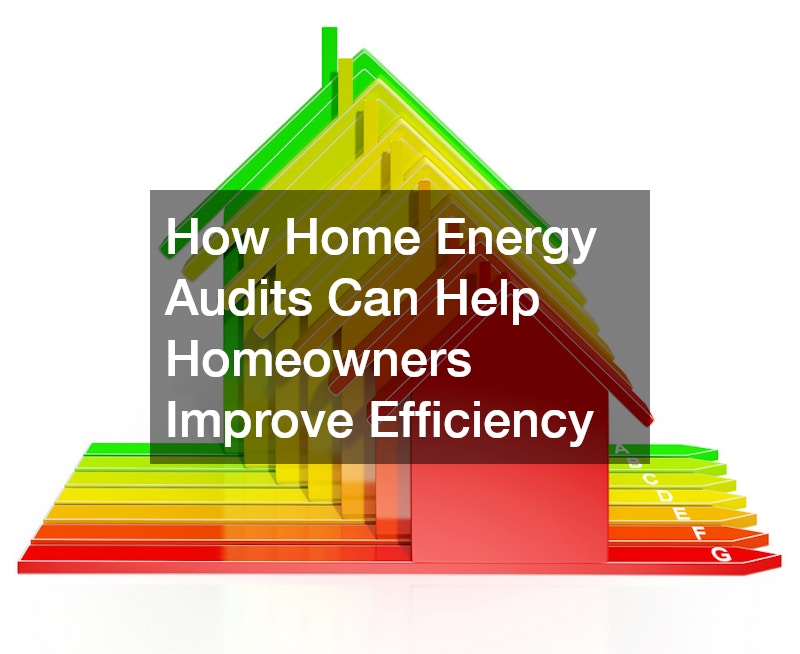
Professional home energy audits can help identify areas where a property may be losing energy and provide valuable information about possible improvements. By understanding how energy moves throughout a home, homeowners can make informed decisions about upgrades and maintenance that support better performance.
Improving efficiency does not always require major renovations. Small changes, such as sealing gaps, improving insulation, or upgrading outdated equipment, can make a noticeable difference. A detailed evaluation can help homeowners prioritize improvements based on their specific needs, budget, and long-term goals.
Identifying Areas Where Energy Is Being Lost
One of the biggest advantages of evaluating a home’s energy use is discovering where energy loss occurs. Many problems are not immediately visible because they involve areas behind walls, in attics, under floors, or around windows and doors.
Air leaks are a common source of wasted energy. Small gaps around openings can allow conditioned air to escape while letting outside air enter. This can make heating and cooling systems work harder to maintain comfortable indoor temperatures.
Insufficient insulation is another issue that can affect efficiency. Without proper insulation, homes may lose heat during colder months and gain unwanted heat during warmer months. Identifying these weak points allows homeowners to focus on improvements that can make their living spaces more comfortable year-round.
Improving Heating and Cooling Performance
Heating and cooling systems account for a significant portion of household energy use. If these systems are outdated, poorly maintained, or operating inefficiently, they may consume more energy than necessary.
An efficiency evaluation can reveal whether HVAC equipment is performing properly or if adjustments are needed. Issues such as restricted airflow, aging components, or poor ventilation can reduce system effectiveness and increase operating costs.
Homeowners can use this information to determine whether repairs, maintenance, or replacements may provide better results. Improving HVAC performance can help create more consistent temperatures while reducing unnecessary energy consumption.
Finding Opportunities for Cost Savings
Reducing energy waste can lead to meaningful savings over time. Many homeowners want to lower monthly expenses but are unsure where to begin. A detailed assessment provides guidance by highlighting the improvements that may offer the greatest impact.
For example, sealing air leaks may be a relatively simple project that helps prevent heated or cooled air from escaping. Replacing inefficient appliances, upgrading lighting, or improving insulation may also contribute to lower energy use.
Rather than making random upgrades, homeowners can use the findings from an assessment to create a practical improvement plan. This approach helps ensure that money is invested in changes that provide measurable benefits.
Supporting Long-Term Home Maintenance
Regular maintenance is an important part of protecting a home’s value and performance. Understanding how different systems and components work together can help homeowners prevent future problems.
Home energy audits provide insight into areas that may need attention before they become larger concerns. Catching issues early can help prevent wasted energy, unnecessary repairs, and avoidable wear on major home systems.
This information can also be useful when planning future improvements. Whether homeowners are preparing for a renovation or simply maintaining their property, knowing where efficiency improvements are needed can make decision-making easier.
Creating a More Sustainable Home
Many homeowners are looking for ways to reduce their environmental impact while maintaining a comfortable lifestyle. Improving energy efficiency is one way to use fewer resources and reduce unnecessary energy consumption.
Simple improvements, such as reducing air leaks, upgrading systems, and choosing efficient products, can contribute to a more sustainable household. These changes benefit both the homeowner and the environment by reducing wasted energy.
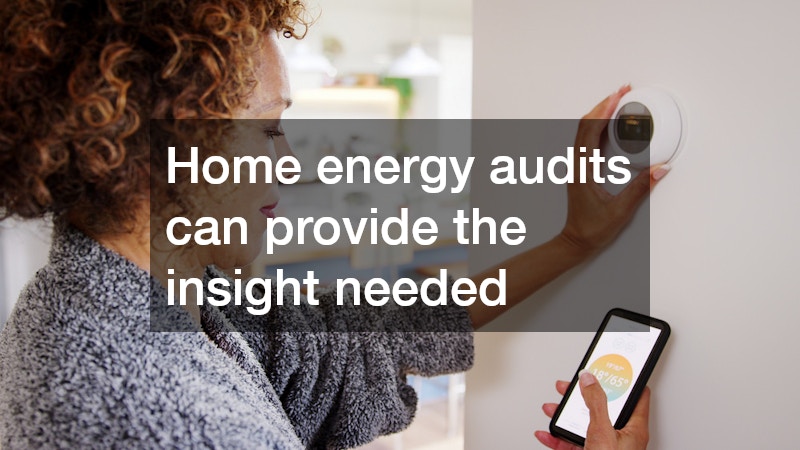
Home energy audits can provide the insight needed to make responsible decisions about efficiency improvements. By understanding where energy is being used and where it is being lost, homeowners can take practical steps toward creating a more sustainable property.
Improving a home’s efficiency starts with understanding how the property uses energy. From identifying air leaks and insulation problems to evaluating HVAC performance, a detailed assessment can reveal opportunities to improve comfort, reduce waste, and manage energy costs.
Homeowners who want to make smart improvement decisions can benefit from professional guidance and a clear understanding of their property’s needs. Whether making small updates or planning larger projects, the information gained from home energy audits can help create a more efficient and comfortable home.
Taking steps to improve energy performance is an investment that can provide benefits for years. With the right approach, homeowners can enjoy a more comfortable living environment while making better use of their energy resources.