
Owning a home comes with ongoing responsibilities that extend far beyond routine cleaning and seasonal decorating. Every system, surface, and feature of a home experiences gradual wear over time, making regular maintenance an important part of protecting its condition and functionality. Rather than waiting for visible problems to appear, many homeowners benefit from creating a yearly checklist that encourages preventative care. Following practical homeowner tips throughout the year can make it easier to stay organized while helping to reduce unexpected repairs and interruptions.
One of the advantages of an annual maintenance plan is that it breaks larger responsibilities into manageable tasks. Instead of trying to remember every service or inspection, homeowners can schedule recurring appointments and perform visual checks throughout the year. These homeowner tips also encourage consistent care for areas that are often overlooked until something goes wrong. From flooring and plumbing to electrical systems and roofing, each part of the home deserves periodic attention. This guide explores five maintenance tasks worth adding to every annual checklist, helping homeowners develop better routines while making homeowner tips a practical part of long-term homeownership. Whether you have recently purchased a house or have lived in one for years, these homeowner tips can help create a more organized approach to caring for your property.
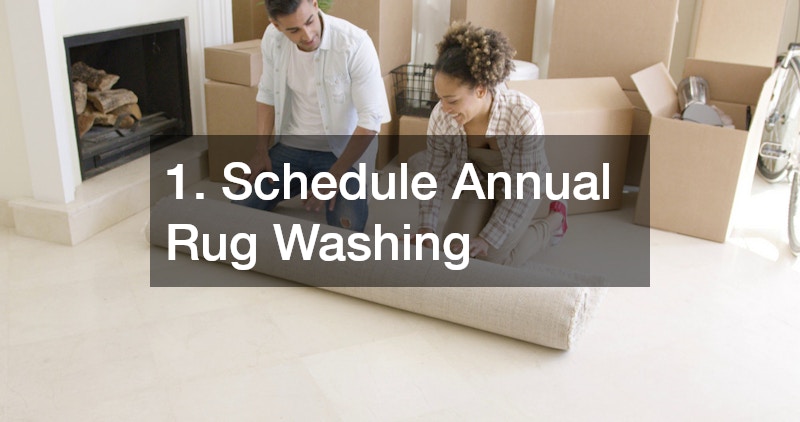
1. Schedule Annual Rug Washing
Remove Deep-Set Dirt and Allergens
Area rugs add warmth, texture, and personality to many rooms, but they also collect a surprising amount of dirt throughout the year. Shoes, pets, dust, pollen, and everyday activity gradually push debris deep into rug fibers, where regular vacuuming may not completely remove it. Even rugs that appear clean on the surface can hold fine particles beneath the pile, making periodic deep cleaning an important part of household maintenance. Among the many homeowner tips that improve indoor cleanliness, scheduling annual rug washing is one that is frequently overlooked.
Routine rug washing helps remove accumulated contaminants that develop gradually over months of normal use. Hallways, living rooms, entryways, and family rooms generally experience the highest amount of foot traffic, causing dirt to settle deeper into the fibers over time. Seasonal changes can also increase the amount of debris tracked indoors, especially during wet or snowy months.
Annual cleaning provides an opportunity to refresh rugs before heavy buildup begins affecting their appearance. It also allows homeowners to inspect rugs for loose edges, worn areas, or stains that may require additional attention. Including rug care as part of a yearly maintenance calendar creates consistency instead of relying on cleaning only when rugs appear visibly dirty. These homeowner tips encourage proactive care that supports a cleaner home throughout the year.
Protect Rug Fibers From Premature Wear
Many homeowners focus on visible stains while overlooking the gradual damage caused by embedded dirt. Tiny particles trapped within rug fibers can act like fine abrasives every time someone walks across the surface. As months pass, this constant friction may contribute to flattened fibers, faded colors, and worn traffic patterns that become increasingly noticeable.
Scheduling rug washing helps remove these particles before they continue wearing against the material. Different rug materials respond differently to cleaning methods, making periodic professional care a practical option for preserving appearance over time. Whether rugs are made from wool, synthetic fibers, or blended materials, removing accumulated debris can help maintain their texture and visual appeal.
Rotating rugs occasionally throughout the year may also distribute wear more evenly across the surface. Combined with routine vacuuming and prompt attention to spills, annual deep cleaning becomes part of a comprehensive maintenance strategy. Homeowner tips that focus on preventative care often produce better long-term results than waiting until significant wear has already developed.
Create a Healthier Indoor Environment
Clean rugs contribute to the overall cleanliness of the entire home. Because rugs cover a large portion of floor space, they can influence how fresh living areas feel throughout the year. Removing accumulated dust and debris helps create a cleaner environment while complementing regular household cleaning routines.
Adding rug washing to an annual checklist also simplifies scheduling. Rather than wondering when rugs were last professionally cleaned, homeowners can establish a consistent timeframe that fits naturally within their broader maintenance calendar. This approach eliminates guesswork while supporting better long-term organization.
Developing dependable maintenance habits often begins with relatively simple tasks that are easy to remember. Annual rug care serves as one of those practical homeowner tips that requires minimal planning yet contributes to the appearance and upkeep of frequently used living spaces. Over time, consistently maintaining rugs becomes just another routine part of caring for the home.
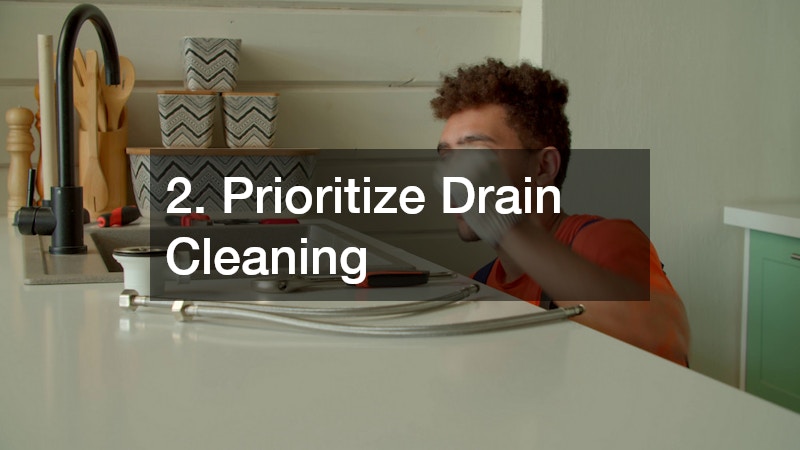
2. Prioritize Drain Cleaning
Reduce Buildup Before It Becomes a Problem
Household drains handle large volumes of water every day, carrying away soap, grease, food particles, hair, and other debris. Although plumbing systems are designed to move wastewater efficiently, gradual buildup inside pipes can eventually slow drainage. Many clogs begin developing long before homeowners notice standing water or unpleasant odors.
Routine drain cleaning helps remove these accumulations before they interfere with normal water flow. Kitchen sinks commonly collect grease and food residue, while bathroom drains often trap hair and soap scum. Laundry drains may also accumulate lint over time. Addressing these areas periodically supports smoother plumbing performance throughout the house.
Preventative maintenance is one of the most practical homeowner tips because it emphasizes identifying small concerns before they become larger inconveniences. Rather than responding only after a drain becomes completely blocked, scheduling periodic cleaning encourages a more proactive approach. Homeowners who include plumbing maintenance in their yearly checklist often find it easier to stay ahead of common household issues.
Know When Professional Service Makes Sense
While some minor slow drains may improve with basic maintenance, recurring drainage issues can indicate that more thorough cleaning is appropriate. Multiple slow fixtures, recurring backups, unpleasant odors, or gurgling sounds may suggest buildup deeper within the plumbing system that requires professional attention.
Drain cleaning services are designed to remove stubborn accumulations that ordinary household methods may not fully address. Professionals can evaluate the plumbing system, determine where buildup has occurred, and recommend cleaning methods appropriate for the condition of the pipes. Their experience allows them to identify patterns that homeowners might otherwise overlook during routine maintenance.
Instead of waiting until plumbing problems interrupt daily routines, many homeowners schedule drain cleaning services as part of their annual maintenance calendar. Preventative appointments provide opportunities to evaluate system performance while reducing the likelihood of more disruptive plumbing issues later. Including professional plumbing evaluations among regular homeowner tips encourages consistent attention to one of the home’s most frequently used systems.
Keep Household Plumbing Flowing Smoothly
Every plumbing fixture contributes to the overall performance of a home’s drainage system. Sinks, tubs, showers, washing machines, and dishwashers all rely on pipes remaining relatively free from excessive buildup. Making annual drain cleaning part of a broader maintenance plan helps support consistent water flow throughout the year.
Scheduling drain cleaning services before noticeable problems arise also makes maintenance easier to plan. Instead of calling for emergency service during a backup, homeowners can coordinate preventative appointments at convenient times. This organized approach often aligns well with other yearly maintenance responsibilities.
Regular plumbing care complements additional homeowner tips such as checking faucets for leaks, inspecting visible pipes beneath sinks, and monitoring water pressure throughout the home. Together, these practices create a more complete maintenance routine that supports long-term household operation while helping homeowners remain proactive about caring for important systems.
3. Plan a Septic Inspection
Monitor System Performance
Homes that rely on septic systems require regular attention to ensure wastewater is processed efficiently. Unlike municipal sewer connections, septic systems depend on properly functioning underground components that homeowners may rarely see. Because many parts of the system remain hidden below ground, routine evaluations become an important part of preventative maintenance.
Scheduling a septic inspection each year provides an opportunity to assess the system’s overall condition before noticeable problems develop. During an inspection, professionals may evaluate accessible components, observe system performance, and identify conditions that could require future attention. These evaluations help homeowners better understand how their septic system is functioning over time.
Many homeowner tips focus on visible parts of the property, but underground systems deserve equal consideration. Paying attention to slow drains, unusual odors, standing water near the drain field, or changes in household plumbing performance may also help identify situations where additional evaluation is appropriate. Regular inspections encourage homeowners to stay informed rather than relying solely on visible warning signs.
Help Extend Septic System Life
Like many home systems, septic equipment benefits from consistent maintenance throughout its lifespan. Small issues that remain unnoticed for extended periods may eventually affect system performance, making routine evaluations an important part of responsible homeownership.
A septic inspection allows professionals to observe conditions that may not be obvious during everyday use. They can discuss maintenance recommendations, explain proper system care, and help homeowners understand practices that support efficient operation. Establishing a regular inspection schedule creates consistency while reducing uncertainty about when the system was last evaluated.
Build Septic Care Into Your Routine
One of the simplest ways to stay organized is to assign recurring maintenance tasks to the same season every year. Doing so reduces the likelihood of overlooking services that may only be needed annually. Scheduling a septic inspection alongside other yearly appointments makes planning much easier.
Maintaining accurate service records can also help homeowners track inspection dates, maintenance recommendations, and any work completed over time. Organized records simplify future scheduling while providing useful information whenever questions arise about previous maintenance.
4. Review Your Home’s Electrical System

Schedule Routine Electrical Work
Electrical systems support nearly every aspect of daily life, from lighting and kitchen appliances to heating, cooling, and home office equipment. Because these systems are used constantly, they deserve periodic attention as part of an annual maintenance routine. Even if everything appears to be functioning normally, routine evaluations can help identify aging components or areas that may benefit from updates. Including electrical work on a yearly checklist encourages homeowners to think proactively rather than waiting for noticeable problems to occur.
Professional electrical work may be appropriate when homeowners notice flickering lights, outlets that no longer function properly, frequently tripped breakers, or switches that feel warm during use. These situations do not automatically indicate a major issue, but they are good reasons to schedule an evaluation. Even homes without obvious concerns can benefit from occasional inspections that help verify systems are operating as intended.
Have an Electrician Assess the Electrical Panel
The electrical panel serves as the central distribution point for electricity throughout the home. Every circuit supplying power to lights, outlets, and appliances begins at this location, making it one of the most important components of the entire electrical system. Because it plays such a critical role, the electrical panel deserves periodic attention as part of ongoing home maintenance.
A qualified electrician can inspect the electrical panel for signs of wear, aging components, loose connections, or other conditions that may require further evaluation. During an inspection, the electrician may also verify that breakers are functioning properly and discuss whether the existing panel continues to meet the home’s electrical demands. As technology and household power needs change over time, periodic evaluations help homeowners better understand their system’s condition.
Work With Local Electricians for Annual Maintenance
Establishing a relationship with local electricians can simplify future maintenance planning. Having experienced professionals who are familiar with residential electrical systems makes it easier to schedule inspections, discuss concerns, and arrange service whenever maintenance becomes necessary. Rather than searching for assistance during an unexpected issue, homeowners already have a trusted resource available.
Local electricians can also provide guidance regarding routine inspections, system updates, and general maintenance recommendations based on the home’s age and electrical configuration. Their experience allows them to identify common concerns while helping homeowners understand which maintenance tasks deserve priority.
5. Inspect Your Roof Every Year

Look for Signs of Wear After the Seasons
Roofs are exposed to changing weather conditions throughout the year, including sunlight, wind, rain, snow, and temperature fluctuations. Over time, these conditions naturally affect roofing materials, even when no obvious leaks are present. Conducting an annual roof inspection allows homeowners to identify visible changes before they become more significant.
Simple visual observations from the ground may reveal missing shingles, damaged flashing, clogged valleys, or debris that has accumulated on the roof’s surface. Homeowners may also notice loose gutters or areas where tree branches have rubbed against roofing materials during storms. Recognizing these conditions early supports better planning for future maintenance.
Know When to Contact Roofers
While homeowners can perform basic visual inspections, certain situations warrant evaluation by experienced roofers. Missing shingles, visible sagging, recurring leaks, damaged flashing, or signs of storm-related wear are all examples of conditions that deserve professional attention. Even subtle changes may be easier for trained roofing professionals to recognize during a comprehensive inspection.
Roofers can examine areas that may not be safely accessible to homeowners while evaluating the overall condition of roofing materials, ventilation components, and related structures. Their assessments help homeowners understand what maintenance may be appropriate while identifying areas that should continue to be monitored over time.
Refresh Exterior Features With Local Painters
Exterior maintenance involves more than just the roof itself. Trim, siding, fascia boards, shutters, doors, and other painted surfaces also experience continuous exposure to weather throughout the year. As part of an annual property review, homeowners may notice fading paint, peeling finishes, or areas where surfaces would benefit from attention.
Local painters can help maintain the appearance of these exterior features while protecting surfaces from continued exposure to moisture and sunlight. Coordinating painting projects after roofing maintenance is often a practical way to address multiple exterior improvements within the same general timeframe. This organized approach simplifies scheduling while supporting overall curb appeal.
The most effective homeowner tips are often the simplest ones to follow consistently. By setting reminders, keeping maintenance records, and scheduling recurring appointments each year, homeowners create habits that become easier over time. Rather than viewing maintenance as an occasional project, treating it as a regular part of homeownership supports better organization and encourages thoughtful care for every part of the property. Consistently applying these homeowner tips year after year helps homeowners protect their investment while making annual maintenance feel less overwhelming and more achievable.