Most homeowners assume that if something were seriously wrong with their house, they would notice. In reality, many of the systems that keep your home running, from wiring to ventilation to structural supports, can deteriorate quietly for years before they fail. By the time you see smoke, water stains, or cracks, the damage is often already extensive. Understanding where these hidden risks hide is the first step toward catching them early and protecting your family and your investment.
Aging Electrical Wiring Behind Your Walls

Electrical systems rarely announce their decline. Wiring insulation can crack and degrade over decades, especially in homes built before the 1990s, and the first sign of trouble is sometimes an electrical fire rather than a flickering light. Homes with aluminum wiring, common in construction from the mid-1960s to mid-1970s, face even higher risk, since aluminum expands and contracts more than copper, loosening connections at outlets and junctions over time. Knob-and-tube wiring, often found in houses built before 1950, poses its own hazards because it lacks a grounding wire and was never designed to handle the electrical load of modern appliances, air conditioners, and entertainment systems. Many insurance companies now refuse to cover homes with unupdated knob-and-tube systems until an electrician inspects and modernizes them. Outlets that feel warm to the touch, breakers that trip repeatedly, or a persistent burning smell near panels are all warning signs that should never be ignored. Other red flags include flickering or dimming lights when appliances switch on, discolored or scorched outlet covers, and a faint buzzing sound coming from switches. Rodent damage is another overlooked culprit, since mice and squirrels often chew through insulation inside wall cavities, exposing live wires without any visible evidence from the room. Because so much of this damage stays hidden until failure, experts generally recommend a professional electrical inspection every 10 years for older homes, or immediately after noticing any of these symptoms.
If your home still has aluminum wiring or knob-and-tube wiring, the risk is considerably higher, since these materials were not designed for modern electrical loads. Aluminum wiring, common in homes built between 1965 and 1973, expands and contracts more than copper, which loosens connections over time and creates hot spots at outlets and switches. Knob-and-tube wiring, often found in houses built before 1950, lacks a grounding wire entirely and its rubber insulation becomes brittle and cracks with age, exposing bare wire to wood framing. Other warning signs worth watching for include warm or discolored outlet covers, a persistent burning smell with no obvious source, flickering lights that worsen when you run appliances, and breakers that trip repeatedly. A panel rated for 60 or 100 amps also struggles to handle the demands of today’s households, which often run HVAC systems, multiple computers, and kitchen appliances simultaneously. A licensed electrician can inspect your panel and wiring every few years to catch corrosion, loose connections, or overloaded circuits before they become dangerous. During this inspection, expect them to check breaker tightness, test for proper grounding, and use a thermal camera to spot overheating connections hidden behind cover plates. If your home is more than 40 years old and hasn’t been rewired, budgeting for a full electrical upgrade is far cheaper than recovering from a wiring fire.
- Flickering or dimming lights when appliances turn on, especially if it happens in multiple rooms at once
- Discolored, warm, or slightly melted-looking outlets or switch plates
- A persistent burning or ozone smell near the breaker box, outlets, or inside walls
- Breakers that trip more than once a month, particularly on circuits with no obvious overload
- Outlets or switches that buzz, crackle, or feel warm to the touch
- Homes built before 1990 with original wiring, especially aluminum wiring common in 1960s-70s construction
- Two-prong outlets with no visible grounding, signaling outdated or unsafe circuit design
Furnace and Heating System Carbon Monoxide Leaks
Heating systems are one of the most common sources of hidden danger in winter months. A cracked heat exchanger can leak carbon monoxide into your living space without any visible smoke or odor, which is exactly why this gas is called the silent killer. Scheduling annual furnace repair before the cold season hits allows a technician to check the heat exchanger, venting, and combustion chamber for wear that you would never spot on your own.
Carbon monoxide detectors are essential, but they are a backup plan, not a substitute for maintenance. Homes with older furnaces, blocked chimneys, or improperly sealed flue pipes are especially vulnerable, and symptoms like headaches, dizziness, or nausea that improve when you leave the house are a major red flag.
- Soot or scorch marks around the furnace cabinet
- Yellow burner flames instead of crisp blue ones
- Excess condensation on windows near the furnace room
- Family members or pets feeling unusually tired or nauseous indoors
Air Conditioning Refrigerant and Electrical Hazards
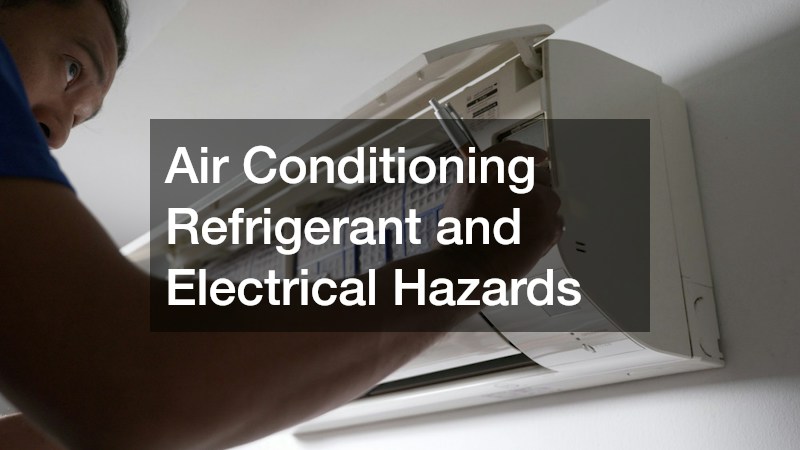
Central air systems carry their own set of lesser-known risks. Refrigerant leaks can create both health hazards and fire risks, particularly in older systems that still use outdated refrigerant blends like R-22, which was phased out of production but remains in many units installed before 2010. Exposure to leaking refrigerant can cause dizziness, headaches, and irregular heartbeat in enclosed spaces, and some older formulations are mildly flammable under the right conditions. Many homeowners never realize a leak is occurring until the unit stops cooling effectively, by which point hundreds of dollars in refrigerant may have already escaped. The electrical side of an AC system poses an equally overlooked danger. Outdoor condenser units sit exposed to moisture, insects, and temperature swings year-round, all of which accelerate wear on wiring insulation and electrical connections. A failing capacitor, for instance, can overheat and rupture, while corroded contactors sometimes arc and ignite nearby debris or dry leaves. Reputable air conditioning contractors recommend seasonal inspections not just for performance, but to catch electrical faults, frayed wiring, and capacitor failures that can spark a fire inside the outdoor unit. A thorough checkup typically includes testing capacitor voltage, tightening electrical connections, and inspecting the condensate line for the kind of moisture buildup that promotes corrosion. Scheduling this service each spring, before the system faces its heaviest summer workload, gives small problems a chance to surface before they become safety emergencies.
Ignoring strange noises or a burning smell from your AC unit is one of the more common mistakes homeowners make, since they often assume it is simply an efficiency issue. A high-pitched squeal might signal a failing compressor, while a rattling sound could mean a loose fan blade is about to strike the housing. These are mechanical clues, but the real danger often lies in what you can’t see. In truth, electrical components inside the unit operate under high voltage, sometimes 240 volts for a standard central air system, and insulation on aging wires can degrade from years of heat cycling and moisture exposure. Timely AC repairs can address these warning signs before electrical faults or damaged components create more serious safety hazards. A short circuit can ignite nearby debris or dry vegetation surrounding the condenser, especially during hot summer months when the unit runs for hours at a stretch. Refrigerant lines add another layer of risk that’s easy to overlook. A slow leak can go unnoticed for weeks, but when refrigerant comes into contact with an electrical arc or open flame, some older refrigerants can break down into toxic byproducts. Homeowners should watch for ice buildup on the lines, hissing sounds near the unit, or a sweet chemical odor, all signs that warrant an immediate professional inspection rather than a DIY fix.
- Burning or plastic-like odors from vents or the outdoor unit, often signaling overheated wiring or a failing capacitor
- Unusual clicking, buzzing, or grinding sounds, which can point to a loose fan blade, worn motor bearings, or an electrical short
- Ice buildup on refrigerant lines, usually caused by low refrigerant or restricted airflow from a dirty filter
- Water pooling unexpectedly near the indoor unit, a sign of a clogged condensate drain or cracked drain pan
- Frequent breaker trips or a humming unit that won’t start, both indicators of electrical strain that can lead to fire if ignored
- Warm air blowing despite the thermostat being set correctly, which may mean a refrigerant leak that poses health risks if inhaled in enclosed spaces
Roof Structural Decay and Hidden Water Damage
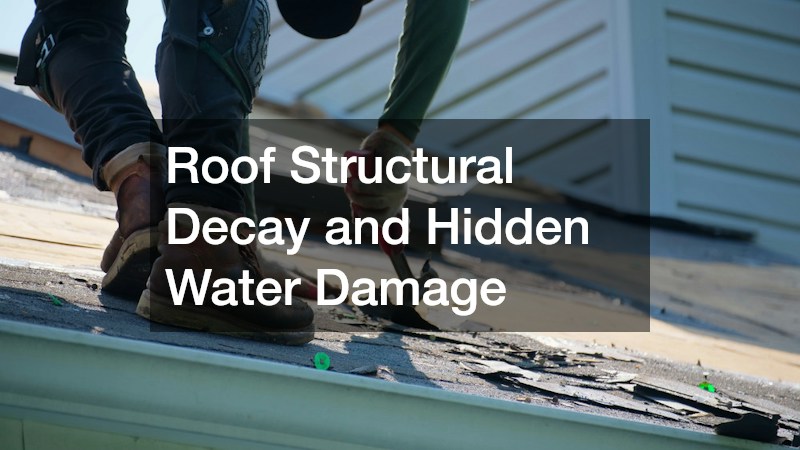
Roofs are designed to protect everything beneath them, but damage often starts in places you cannot see from the ground. Trapped moisture under shingles can rot the decking and weaken rafters for years before a sagging ceiling or visible leak ever appears. Working with experienced roofing companies for periodic inspections, especially after major storms, helps identify soft spots, damaged flashing, or failing underlayment before they compromise the structure.
Attic ventilation problems often make roof damage worse without homeowners realizing it. Poor airflow traps heat and humidity, accelerating wood rot and encouraging mold growth in the rafters, which can eventually affect indoor air quality throughout the house.
- Daylight visible through attic boards
- Musty odors in upper floors or closets
- Sagging rooflines visible from the street
- Granules accumulating in gutters, signaling shingle breakdown
Plumbing Leaks Inside Walls and Under Slabs
Water damage from plumbing issues is notorious for staying hidden until it becomes a major problem. A small pinhole leak inside a wall cavity can slowly rot framing, feed mold colonies, and attract pests long before a stain appears on drywall. Calling a plumber at the first sign of a musty smell, unexplained water bill increase, or warped flooring can save thousands of dollars in structural repair later.
Slab leaks are especially sneaky because they occur beneath the concrete foundation itself. Warm spots on the floor, the sound of running water when everything is turned off, or cracks forming in tile are all signs that water may be eroding the ground beneath your home.
- Unexplained spikes in your monthly water bill
- Warm patches on flooring, especially with radiant heat systems
- Low water pressure throughout the house
- Mold or mildew smell near baseboards
Bathroom Moisture Buildup Behind Tile and Fixtures
Bathrooms combine water, heat, and enclosed spaces, which makes them a prime location for hidden rot and mold growth. Grout cracks and failing caulk allow moisture to seep behind tile, where it can sit against wood studs and subfloor for months without any visible sign on the surface. A bath remodel that includes updated waterproofing membranes and proper exhaust ventilation addresses the root cause rather than just covering up cosmetic wear.
Exhaust fans that are undersized, clogged, or rarely used contribute significantly to this problem. Steam that is not properly vented settles into ceiling drywall and behind mirrors, which over time can lead to soft spots, peeling paint, and even electrical issues if moisture reaches nearby wiring or light fixtures.
- Tiles that feel loose or sound hollow when tapped
- Persistent mildew smell even after cleaning
- Peeling paint or bubbling on bathroom ceilings
- Soft or spongy flooring near the tub or shower
Outdoor Living Structures That Weaken Over Time

Decks and patios take a beating from weather, and the components most likely to fail are the ones hidden beneath the surface. Ledger boards, joist hangers, and support posts can corrode or rot while the decking boards on top still look perfectly fine. Anyone planning a custom deck build should insist on proper flashing between the structure and the house, along with corrosion-resistant hardware rated for outdoor exposure.
Retractable awnings and other shade structures also deserve periodic attention, since their mounting brackets and motors are exposed to constant sun, wind, and rain. A bracket that has loosened over several seasons can give way suddenly under a gust of wind, turning a shade feature into a safety hazard.
- Wobbly railings or support posts
- Rust stains around bolts and brackets
- Soft or discolored wood near ground contact points
- Awning fabric that sags unevenly or fails to retract smoothly
Driveway and Walkway Surface Failures
Paved surfaces seem permanent, but water infiltration and freeze-thaw cycles can undermine them from below. Cracks that seem cosmetic at first often indicate base erosion happening beneath the surface, where repeated freezing and thawing gradually breaks apart the support layer. Quality asphalt paving includes proper grading and drainage planning specifically to prevent this kind of invisible erosion before it starts.
Neglected cracks allow water to penetrate further each season, accelerating potholes and uneven settling that can become tripping hazards. Addressing small cracks promptly, rather than waiting for a full resurfacing need, is one of the simplest ways to extend the life of any driveway or walkway.
- Hairline cracks that widen noticeably after winter
- Puddles that linger long after rain stops
- Uneven or sunken sections near drainage points
- Crumbling edges along the driveway border
Exterior Siding Rot and Moisture Intrusion
Siding serves as your home’s first line of defense against the elements, but damage behind it can go unnoticed for years. Moisture that gets trapped behind panels due to poor installation or failed caulking can rot sheathing and attract insects long before bubbling or discoloration appears outside. Experienced siding contractors know to check for soft spots with simple pressure tests during routine inspections, since visual cues alone often miss early-stage damage.
Homes in climates with heavy rain or snow are particularly susceptible, as repeated freeze-thaw cycles force water deeper into small gaps each season. Replacing damaged sections promptly, rather than patching repeatedly, helps prevent the rot from spreading to structural framing underneath.
- Bubbling, warping, or buckling panels
- Soft spots when pressed gently by hand
- Peeling interior paint near exterior walls
- Visible gaps or separation at seams and corners
Hidden home hazards share one common trait: they grow worse the longer they go unnoticed. Scheduling regular inspections, paying attention to small warning signs, and addressing issues like unusual smells, sounds, or stains early can prevent minor repairs from becoming costly emergencies. Whether it is AC repairs, structural checks, or routine maintenance across your home’s major systems, staying proactive is the most reliable way to keep your household safe. Taking even one afternoon to walk through this checklist and schedule a few overdue inspections could be the difference between a minor fix and a major disaster.