
Homeownership comes with ongoing responsibilities that extend beyond paying a mortgage and keeping the interior clean. Regular maintenance helps protect a property’s value, preserve its structural integrity, and create a comfortable living environment. From inspecting the roof to maintaining outdoor spaces and keeping heating systems in good working order, small tasks can make a significant difference in the long run.
A proactive approach to home maintenance also helps homeowners identify problems before they become expensive repairs. Water damage, deteriorating surfaces, clogged drainage systems, and neglected equipment can all lead to avoidable costs when left unaddressed.
Creating a maintenance schedule makes it easier to stay organized, prioritize essential tasks, and plan for seasonal changes. By understanding which areas of a home need attention and when to seek professional assistance, homeowners can keep their properties in good condition year-round.
Create a Seasonal Home Maintenance Schedule
A consistent maintenance schedule helps homeowners manage routine responsibilities without becoming overwhelmed. Rather than waiting for something to break, dividing tasks into monthly, seasonal, and annual categories makes it easier to identify potential problems early.
Each season brings different maintenance priorities. Spring is a good time to check for winter damage, while summer is a good time to address exterior repairs. Fall preparations focus on drainage and heating systems, and winter calls for monitoring indoor conditions and protecting vulnerable areas from freezing temperatures.
Organize Tasks by Frequency
A practical schedule should account for how often different parts of a home need attention.
-
Monthly: Check for plumbing leaks, test smoke and carbon monoxide alarms, inspect visible areas for moisture, and replace air filters when needed.
-
Quarterly: Inspect doors and windows, examine exterior surfaces, check drainage areas, and look for signs of pest activity.
-
Seasonally: Clean gutters, inspect the roof from the ground, prepare heating and cooling systems, and evaluate outdoor structures.
-
Annually: Arrange professional inspections for major systems, review insurance coverage, and assess long-term repair and replacement needs.
Track Repairs and Maintenance Costs
Keep a home maintenance log that records inspection dates, completed work, contractor information, and expenses. Photographs can help document changes over time, especially when monitoring cracks, water stains, or surface deterioration.
Homeowners should also establish a maintenance budget. Setting aside money for routine upkeep and unexpected repairs can make larger projects easier to manage financially.
Inspect and Maintain Your Roof to Prevent Leaks

A roof protects a home from rain, snow, wind, and changing temperatures. Even minor damage can allow moisture to enter the building, potentially affecting insulation, ceilings, walls, and structural materials.
Homeowners should inspect their roofs periodically, especially after severe weather. These inspections should be conducted safely from the ground using binoculars or from an accessible window. Walking on a roof without appropriate equipment and experience can create unnecessary risks.
Identify Common Signs of Roof Damage
Look for visible warning signs that may indicate deterioration or damage:
-
Missing, cracked, curled, or loose shingles.
-
Damaged flashing around chimneys, vents, and skylights.
-
Sagging areas or uneven rooflines.
-
Loose or damaged gutters near the roof edge.
-
Water stains on ceilings or upper walls.
-
Damp insulation or musty odors in the attic.
Inside the attic, check for moisture, discoloration, and signs of inadequate ventilation. Proper airflow helps regulate temperature and moisture levels, reducing the risk of condensation and material deterioration.
Know When to Seek Professional Assistance
Homeowners should contact roofing contractors when they notice persistent leaks, damaged shingles, loose flashing, or other concerns that require specialized equipment or expertise.
Professional roofing services can include inspections, repairs, replacement of damaged materials, and assessments of whether a roof is nearing the end of its useful life. Addressing problems early can help prevent water from spreading into other parts of the home.
After major storms, document visible damage with photographs and keep records of any inspections or repairs. If a leak develops, protect belongings and arrange a prompt professional assessment rather than attempting risky temporary repairs.
Keep Gutters and Downspouts Clear of Debris
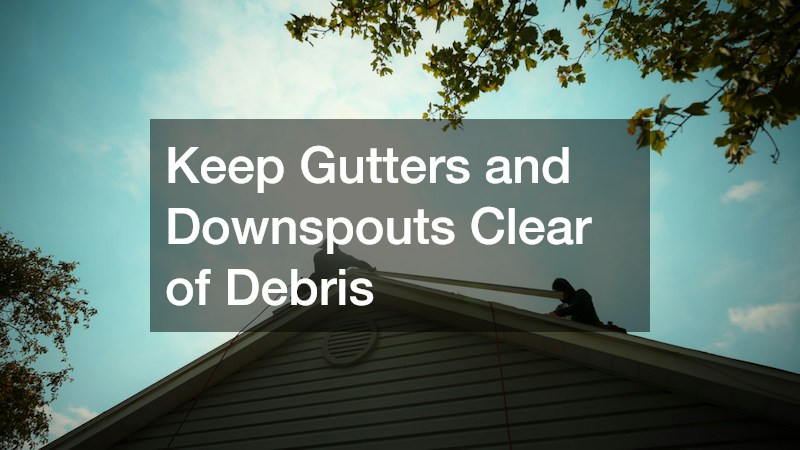
Gutters and downspouts direct rainwater away from the roof, siding, and foundation. When these drainage systems become clogged or damaged, water can overflow and collect near the house, increasing the risk of basement leaks, soil erosion, and foundation problems.
Regular inspections help homeowners identify blockages and deterioration before they cause more extensive damage. Gutters should be checked at least twice a year, particularly in spring and fall, and more frequently when trees nearby shed leaves or other debris.
Clean Gutters and Check Drainage
Remove accumulated leaves, twigs, and other debris from gutters using appropriate tools and safe access equipment. Downspouts should also be checked to ensure water flows freely through the system and discharges away from the foundation.
During inspections, look for:
-
Sagging sections or loose brackets that prevent proper drainage.
-
Rust spots, cracks, or holes that allow water to escape.
-
Separated joints or damaged seams.
-
Standing water caused by improper slope or blockages.
-
Downspouts that discharge water too close to the house.
Gutter guards may reduce the amount of debris entering the system, but they do not eliminate the need for periodic cleaning and inspection.
Address Drainage Problems Promptly
Homeowners who notice recurring clogs, persistent leaks, or loose sections should consider hiring gutter contractors to evaluate the system. Professional assistance may be particularly useful for multistory homes or gutters that are difficult to access safely.
Proper drainage also depends on the surrounding landscape. Soil should slope away from the foundation, and downspout extensions can help direct runoff toward appropriate drainage areas. Avoid directing water onto neighboring properties or walkways where it could create additional problems.
Maintain Trees and Landscaping Around Your Home

Trees, shrubs, and landscaped areas contribute to a property’s appearance, but they also require regular attention to prevent damage. Overgrown branches can scrape against siding, interfere with roof drainage, and create hazards during storms. Poorly managed landscaping can also contribute to soil erosion and water accumulation near the foundation.
A routine outdoor inspection helps homeowners identify potential problems and determine which tasks require professional assistance.
Inspect Trees for Potential Hazards
Check trees for dead branches, visible decay, leaning trunks, and limbs growing too close to the house. Branches that hang over roofs, garages, or outdoor structures may cause damage if they break during high winds or heavy snowfall.
Professional tree trimming can help remove hazardous limbs and maintain appropriate clearance around buildings. Homeowners should avoid cutting large branches near power lines or attempting to remove substantial limbs without the proper equipment and training.
When evaluating trees, consider the following:
-
Look for cracked branches and damaged limbs after severe weather.
-
Check for exposed roots or changes in the tree’s stability.
-
Keep branches clear of roofs, gutters, and exterior equipment.
-
Monitor trees for signs of disease or unusual growth.
-
Consult an arborist when a tree’s condition or stability is uncertain.
Improve Landscaping and Manage Water Flow
Landscaping should support proper drainage rather than direct water toward the house. Low areas near the foundation may collect runoff, while compacted soil can prevent water from soaking into the ground effectively.
Hardscaping contractors can help homeowners plan outdoor features such as retaining walls, patios, and walkways while considering drainage and soil stability. These projects should account for existing slopes, downspout locations, and the potential for water to collect near structures.
Regularly remove weeds, maintain ground cover, and inspect landscaped areas for erosion. Keeping vegetation under control also makes it easier to identify drainage problems before they become more difficult to address.
Protect Fences and Outdoor Structures From Wear
Fences provide privacy, define property boundaries, and help protect outdoor spaces. However, constant exposure to rain, sunlight, temperature changes, and shifting soil can gradually weaken their structural components.
Routine inspections help homeowners identify loose sections and deterioration before a fence becomes unstable or requires extensive reconstruction.
Check Posts, Panels, and Gates
Walk along the fence line and examine the condition of posts, panels, rails, and fasteners. Pay particular attention to areas where wood contacts the ground, as persistent moisture can contribute to rot and deterioration.
Common warning signs include:
-
Posts that lean or move when gently checked.
-
Loose or missing screws, nails, and brackets.
-
Cracked, warped, or rotting boards.
-
Rusted metal components or damaged protective coatings.
-
Gates that sag, drag, or no longer close properly.
Minor problems should be addressed before they affect neighboring sections. Loose hardware can often be tightened, while damaged boards may be replaced without rebuilding the entire structure.
Extend the Life of Outdoor Structures
Fence repairs may involve replacing damaged boards, stabilizing posts, adjusting gates, or addressing sections weakened by weather exposure. The appropriate solution depends on the material, the extent of the damage, and the condition of the surrounding structure.
Homeowners can also extend the life of fences through routine cleaning and protective treatments. Wooden fences may benefit from appropriate sealants or stains, while metal fences may need rust removal and protective coatings.
Before making major changes, check local requirements, property boundaries, and any homeowners’ association guidelines that may apply. Proper installation and regular maintenance help preserve both the appearance and functionality of outdoor structures.
Maintain Driveways and Walkways to Prevent Damage
Driveways, sidewalks, and other paved surfaces are under constant pressure from vehicles, foot traffic, moisture, and temperature fluctuations. Over time, these conditions can lead to cracks, uneven areas, surface deterioration, and drainage problems.
Regular inspections help homeowners identify developing issues and address them before they create safety hazards or require extensive reconstruction.
Identify Surface Damage Early
Walk along driveways and paths to check for cracks, potholes, loose materials, and uneven sections. Pay attention to areas where water collects after rain, since standing water can accelerate deterioration and contribute to surface movement.
Look for these common problems:
-
Cracks that continue to widen or spread.
-
Potholes and crumbling edges.
-
Uneven pavement that creates tripping hazards.
-
Standing water caused by poor drainage.
-
Surface discoloration or loose aggregate.
The maintenance approach depends on the surface material. Asphalt may require crack sealing or protective treatments, while concrete may need appropriate patching or joint maintenance.
Choose Appropriate Repair Methods
A driveway contractor can assess damaged surfaces and recommend repairs based on the material, drainage conditions, and severity of deterioration. Small cracks may be manageable with suitable repair products, but widespread damage or recurring drainage problems may require professional evaluation.
For larger areas, paving contractors can help determine whether resurfacing, partial replacement, or complete reconstruction is appropriate.
Homeowners should also keep paved surfaces clear of debris and promptly remove substances that may damage the material. Avoid using deicing products that are incompatible with the pavement, and follow manufacturer recommendations for sealants and protective treatments.
Proper drainage is essential for long-term durability. Water should flow away from the home and paved surfaces without collecting near foundations or creating erosion elsewhere on the property.
Keep Your Heating System Safe and Efficient
A properly maintained heating system helps keep a home comfortable during colder months while supporting reliable operation and energy efficiency. Neglecting routine maintenance can contribute to poor performance, higher energy consumption, and unexpected equipment problems.
Homeowners should understand which tasks they can safely perform themselves and which require professional attention.
Complete Routine Heating System Maintenance
Start by reviewing the manufacturer’s maintenance recommendations and following the suggested inspection schedule. Many heating systems benefit from annual professional servicing before the heating season begins.
Basic maintenance tasks include:
-
Replace or clean air filters according to the manufacturer’s instructions.
-
Keeping supply vents and return air grilles unobstructed.
-
Checking thermostat settings and replacing batteries when needed.
-
Keeping the area around heating equipment clean and accessible.
-
Monitoring the system for unusual noises, odors, or changes in performance.
Air filters should be checked regularly because dust and debris can restrict airflow. The appropriate replacement frequency depends on the filter type, household conditions, and system requirements.
Homeowners should also test smoke and carbon monoxide alarms according to the manufacturer’s instructions. Fuel-burning heating equipment should be properly vented and inspected to help reduce the risk of carbon monoxide exposure.
Recognize Warning Signs That Require Professional Attention
Furnace repairs may be necessary when a system produces unusual noises, struggles to maintain the desired temperature, cycles on and off frequently, or causes unexpected increases in energy use.
Other warning signs include weak airflow, persistent burning odors, and visible damage around equipment or venting components. A qualified technician can identify the cause and recommend appropriate repairs.
If a carbon monoxide alarm sounds, leave the building immediately and contact emergency services from a safe location. Do not attempt to troubleshoot potentially dangerous fuel-burning equipment yourself.
Maintain Interior Surfaces and Prevent Moisture Damage
Interior walls, ceilings, trim, and other finished surfaces provide clues about a home’s overall condition. Peeling coatings, discoloration, cracks, and unusual odors may indicate moisture problems or normal wear that needs attention.
Routine inspections help homeowners distinguish between cosmetic issues and warning signs that require further investigation.
Inspect Walls, Ceilings, and Trim
Check interior surfaces periodically, especially around windows, exterior walls, bathrooms, kitchens, and basements. These areas may be more vulnerable to condensation, plumbing leaks, and water intrusion.
Watch for:
-
Peeling or bubbling paint.
-
Brown or yellow stains on ceilings and walls.
-
Cracks that grow or appear alongside doors and windows.
-
Soft or swollen trim and wall materials.
-
Persistent musty odors or visible mold.
Before repairing damaged surfaces, determine the cause. Painting over a water stain without fixing the leak may only conceal the problem temporarily.
Protect Surfaces With Proper Preparation
A painter can help homeowners prepare and protect interior or exterior surfaces when coatings become worn, damaged, or difficult to maintain. Proper preparation may include cleaning, scraping loose material, repairing minor surface imperfections, and applying suitable primers and finishes.
Homeowners should choose coatings appropriate for the surface and environment. Bathrooms and kitchens may require products designed to withstand moisture, while exterior finishes should be suitable for the local climate.
When peeling paint is present in an older home, consider the possibility of lead-based paint before sanding or scraping. Homes built before 1978 in the United States may contain lead-based paint, and disturbing it can create hazardous dust. Appropriate testing and lead-safe practices are important before beginning renovation work.
Address plumbing leaks, ventilation problems, and other moisture sources before refinishing affected areas. Effective exhaust fans, proper airflow, and prompt repairs help protect interior materials from recurring damage.
Build a Consistent Home Maintenance Routine
Keeping a home in good condition requires consistent attention to its major systems, exterior structures, and interior surfaces. A regular maintenance routine helps homeowners identify developing problems, prioritize necessary repairs, and protect the property’s long-term value.
The most effective approach is to establish a seasonal checklist, document completed work, and set aside a budget for routine upkeep and unexpected expenses. Safety should remain a priority, particularly when working at heights, handling heating equipment, or addressing structural concerns.
By taking a proactive approach to home maintenance, homeowners can reduce avoidable repair costs, improve everyday comfort, and help ensure their properties remain functional and well-maintained for years to come.