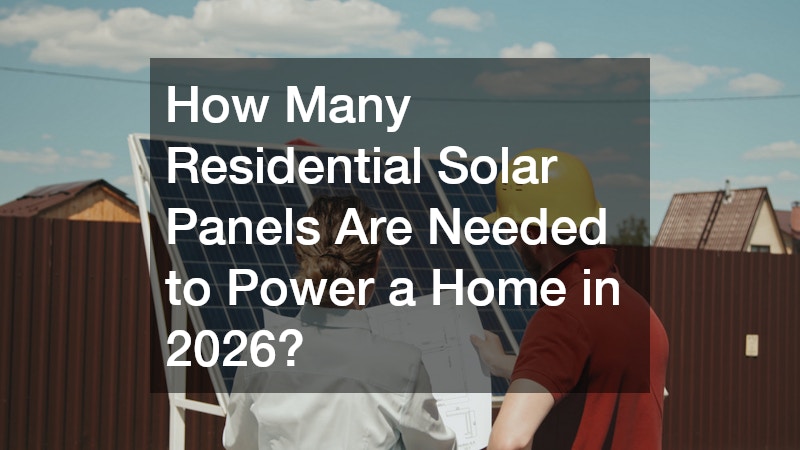
In recent years, solar energy has emerged as a leading alternative to traditional power sources, providing environmentally friendly and cost-effective solutions for homeowners. As we approach 2026, residential solar panels continue to grow in popularity.
Understanding the number of solar panels required to power a home effectively depends on several factors, including energy consumption, geographical location, and panel efficiency. Each aspect must be carefully considered to tailor a solar solution that meets individual household needs efficiently and sustainably.
What Factors Influence the Number of Solar Panels Needed?
The average household energy consumption varies based on factors such as the size of the home and the number of occupants. Typically, a home might use anywhere from 7,000 to 10,000 kWh per year, which directly influences the number of solar panels required. Energy consumption patterns can further be impacted by lifestyle choices and daily routines, emphasizing the need for personalized solar assessments.
Additionally, the types of appliances and their efficiency play a pivotal role in determining panel requirements. For instance, homes equipped with Energy Star appliances might need fewer solar panels thanks to reduced energy consumption. This aspect illustrates the importance of optimizing household energy use prior to finalizing a solar installation plan.
Lastly, peak energy usage times throughout the day can help dictate when solar panel electricity is most needed. Understanding these patterns can lead to more efficient storage solutions, enabling homeowners to maximize energy usage and reduce reliance on grid electricity during prime consumption hours.
Geographical location plays a crucial role in determining solar panel efficiency. Areas closer to the equator typically receive more sunlight, which can reduce the number of panels needed. This highlights the importance of considering local weather patterns and sunshine duration when planning a solar installation.
Furthermore, regional variations such as degrees of cloud cover and seasonal sunlight can significantly affect solar energy yield. Climate variations, like prolonged cloudiness or shading from nearby structures, can decrease solar panel productivity, necessitating a larger array to meet the same energy demands.
Installation in sunnier regions often requires fewer panels. For instance, a home in Arizona may need fewer solar panels than a similar home in Washington, given the higher average number of sunny days per year. This geographical advantage translates to cost savings and higher energy yields over the lifespan of the solar system.
How to Calculate the Right Number of Solar Panels
Residential solar panels come with power output ratings that indicate how much electricity they can generate under standard conditions. A standard solar panel might have a rating ranging from 250 to 365 watts. Understanding these ratings is crucial for homeowners seeking to match panel output with their specific energy needs.
Matching the power output of these panels to household energy requirements helps determine how many panels are necessary for optimal functionality. Panel efficiency varies, with more efficient panels generating more power per square meter. Selecting high-efficiency panels can reduce the total number needed, especially in areas where space is limited.
It’s also important to consider panel degradation, which typically sees efficiency drop by about 0.5% to 1% annually. This factor is significant for long-term planning, ensuring a sustainable energy supply throughout the lifespan of the system despite gradual efficiency loss.
Calculating total energy requirements begins by assessing monthly electricity bills to determine average kWh usage. Converting this into the required solar energy production gives a sense of the total panel output needed, allowing for precise panel array planning.
By dividing the annual energy usage by the output from a single panel, homeowners can estimate the number of panels required. This process also accounts for potential system losses, including inverter inefficiencies and less-than-ideal operating conditions, which can impact overall system performance.
To achieve the most accurate assessment, consulting with a solar energy professional is recommended. Professionals can utilize shading analysis and historical weather data to provide detailed insights into specific solar potential, ensuring optimal system design for each unique environment.
What Are the Economic Implications of Installing Solar Panels?
The initial investment for installing residential solar panels can be significant, yet it is imperative to evaluate these upfront costs against long-term savings. Over time, the reduction in energy bills can offset initial investments, potentially leading to a favorable return on investment and furthering the pursuit of energy independence.
Many homeowners experience reduced energy bills immediately post-installation, with the potential for significant monthly cost reductions over two decades. Payback periods typically range from five to ten years, varying according to local energy prices and installation costs, reinforcing solar energy as a competitive long-term financial solution.
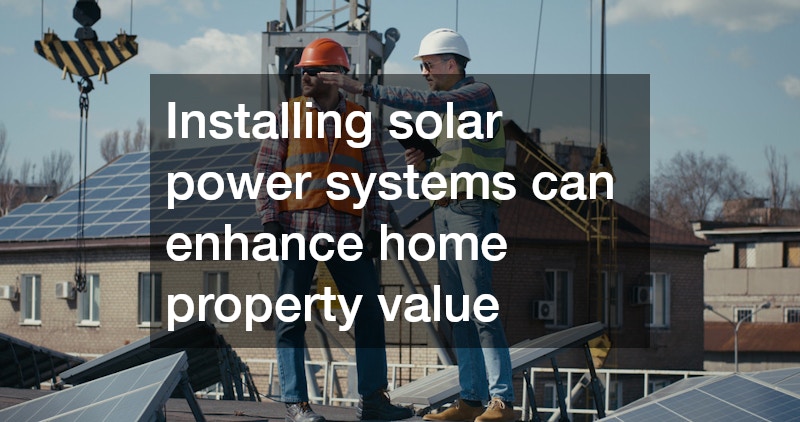
Moreover, installing solar power systems can enhance home property value. Homes equipped with solar panels often attract higher market valuations, translating homeowners’ initial investments into appreciated home equity alongside long-term energy cost savings.
Government incentives, tax credits, and rebates in 2026 are expected to sustain their pivotal role in supporting homeowners transitioning to solar energy. These programs, typically varying by state, offer financial assistance tailored to different local policies, underscoring the importance of researching available options beforehand.
Such incentives can substantially reduce the upfront financial burden, making solar power adoption more accessible and attractive. Federal tax credits, often covering significant portions of installation costs, have notably driven the widespread acceptance and implementation of residential solar systems in the past decade.
In effect, these incentives are designed to promote sustainable energy practices in alignment with broader environmental objectives. They drive the growth and expansion of solar installations nationwide, emphasizing the government’s commitment to renewable energy initiatives.
Understanding the number of solar panels needed for residential purposes in 2026 requires a holistic view of factors such as local energy needs, climatic conditions, and economic considerations. With ongoing improvements in solar technology and supportive policy frameworks, homeowners are uniquely positioned to leverage solar energy’s manifold benefits, thereby playing an essential role in the global shift towards a more sustainable energy future.