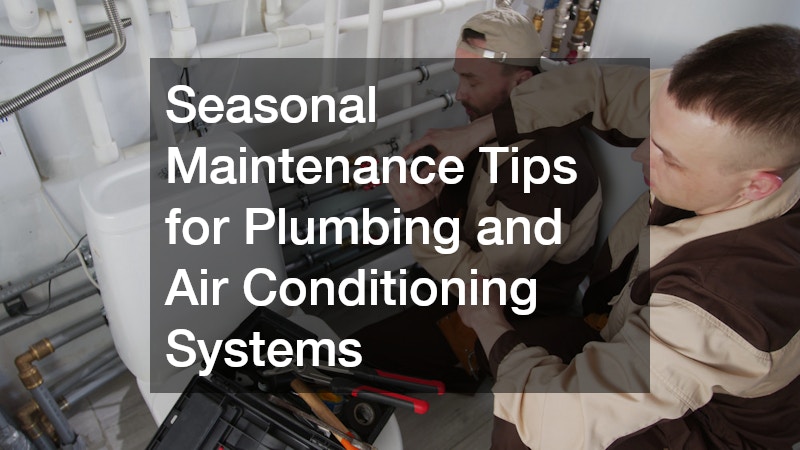
Keeping your home running smoothly year-round requires more than reacting to problems when they arise. Your plumbing and cooling systems work behind the scenes every day, and without proper care, small issues can quickly turn into costly repairs. Seasonal maintenance is one of the most effective ways to extend the lifespan of your systems, improve efficiency, and avoid inconvenient breakdowns.
This guide provides practical, step-by-step advice you can follow throughout the year. Whether you’re preparing for freezing winter temperatures or gearing up for peak summer heat, these tips will help you stay ahead of potential problems and keep your home comfortable.
Inspect and Prepare Your Plumbing Before Each Season
Regular inspections are the foundation of a healthy home system, and taking time to evaluate your plumbing before each season can prevent costly surprises. Many homeowners overlook small warning signs until they develop into larger issues that require expensive repairs. By conducting a thorough check at the start of each season, you can identify vulnerabilities early and address them before they escalate. It’s also a great opportunity to become more familiar with how your home’s plumbing functions overall.
Start with a visual inspection throughout your home:
- Check under sinks for moisture, corrosion, or mold
- Look for water stains on ceilings or walls
- Inspect exposed pipes for cracks or discoloration
- Examine faucets and showerheads for drips
Water pressure is another important indicator. If you notice a sudden drop or inconsistent flow, it could signal a hidden issue such as a leak or buildup in the pipes.
Additional proactive steps:
- Test shut-off valves to ensure they work properly
- Inspect your water heater for rust or sediment buildup
- Flush the water heater annually to improve efficiency
- Look for slow drains that could indicate developing clogs
Scheduling routine checkups with licensed plumbers and professional plumbing services can provide peace of mind and help catch issues that are not easily visible. These professionals use specialized tools to detect hidden leaks, pressure inconsistencies, and pipe deterioration. Taking the time to invest in preventative care now can save you from unexpected disruptions later. Over time, consistent inspections will also help extend the lifespan of your plumbing system.
Prevent Frozen Pipes During Colder Months
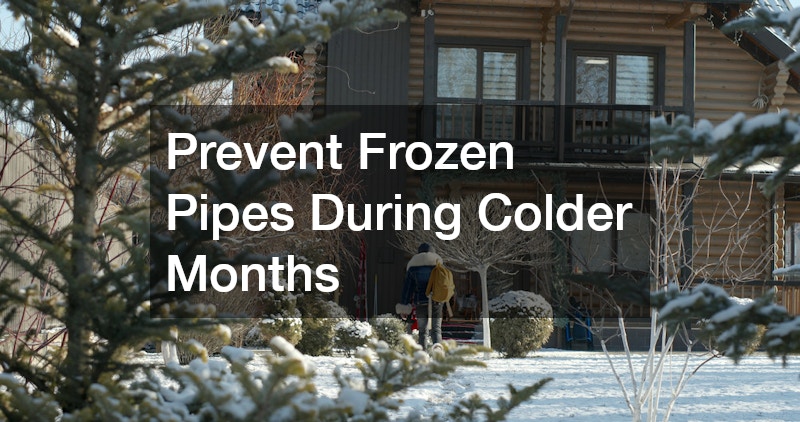
Cold weather can create serious risks for your home’s plumbing, especially when temperatures drop below freezing for extended periods. Water expands as it freezes, which can place immense pressure on your pipes and lead to cracks or bursts. Preparing your pipes ahead of winter is one of the most effective ways to avoid expensive repairs and water damage. Homeowners who take preventive measures early are far less likely to deal with emergencies during the coldest months.
Here’s how to protect your home before temperatures drop:
- Insulate pipes in unheated areas such as basements, crawl spaces, and garages
- Use foam pipe insulation or heat tape for added protection
- Seal gaps and cracks where cold air can enter your home
During freezing conditions:
- Keep your thermostat set to a consistent temperature, even at night
- Allow faucets to drip slightly to keep water moving
- Open cabinet doors under sinks to allow warm air circulation
If you suspect a pipe is freezing:
- Turn on the faucet to relieve pressure
- Apply gentle heat using a hair dryer or heating pad
- Avoid using open flames
If a pipe bursts, quick action is critical:
- Shut off the main water supply immediately
- Drain remaining water from faucets
- Contact professionals experienced in emergency plumbing
Working with experienced plumbers ensures that repairs are handled efficiently and safely. They can also inspect your system afterward to identify any additional weak points. Taking these steps not only protects your home but also reduces stress during extreme weather conditions.
Maintain Your AC System Before Peak Summer Heat
Preparing your cooling system before the hottest months of the year is essential for maintaining comfort and efficiency. Many homeowners wait until their system shows signs of trouble, but by then, it may already be under significant strain. Pre-season maintenance allows you to identify worn components, airflow issues, or inefficiencies before they impact performance. A well-maintained system not only cools your home more effectively but also uses less energy.
Start with these essential maintenance steps:
- Replace or clean air filters every 1–3 months
- Inspect your thermostat and upgrade if needed
- Check electrical connections for wear or looseness
Outdoor unit care is equally important:
- Remove leaves, dirt, and debris from around the condenser
- Trim vegetation at least two feet away
- Clean the condenser coils with a gentle spray
Additional tips:
- Ensure vents are unobstructed by furniture or curtains
- Test the system early in the season to identify issues
- Listen for unusual noises when the unit starts
Working with experienced AC contractors and professionals who provide HVAC services ensures your system is calibrated and ready for heavy use. They can fine-tune performance, identify inefficiencies, and recommend upgrades if needed. Routine maintenance also helps extend the lifespan of your equipment.

Keep Drains and Sewer Lines Clear Year-Round
Maintaining clear drains is one of the simplest yet most important ways to protect your home from plumbing issues. Over time, everyday activities can lead to a buildup inside your pipes, which may eventually result in clogs or slow drainage. Many of these problems develop gradually, making them easy to overlook until they become more serious. Regular maintenance helps prevent blockages and keeps your system functioning smoothly.
Best practices for maintaining clear drains:
- Avoid pouring grease, oil, or fat down the sink
- Use drain strainers to catch hair and debris
- Run hot water after each use to flush residue
Routine maintenance:
- Clean drains monthly using a mixture of baking soda and vinegar
- Flush with boiling water to remove buildup
- Check for slow drainage and address it early
Warning signs of a developing problem:
- Gurgling sounds from drains
- Foul odors coming from pipes
- Water backing up in sinks or tubs
If these issues persist, experienced plumbers can perform deeper inspections and cleanings using specialized equipment. Addressing small clogs early prevents larger blockages from forming over time. Consistent maintenance also helps extend the life of your pipes and improves overall system efficiency.
Optimize Energy Efficiency with Routine HVAC Checks
Improving your home’s energy efficiency is not only beneficial for your wallet but also for the longevity of your HVAC system. Systems that operate efficiently experience less strain, which reduces wear and tear over time. Routine checks allow you to identify areas where energy may be wasted, such as leaks or poor insulation. Addressing these issues can significantly improve overall performance.
Key steps to boost efficiency:
- Seal gaps around doors and windows to prevent air leaks
- Inspect ductwork for holes or loose connections
- Add insulation in attics and crawl spaces
Thermostat upgrades can make a significant difference:
- Install a programmable or smart thermostat
- Set temperature schedules based on occupancy
- Avoid drastic temperature changes
Airflow optimization:
- Clean vents and registers regularly
- Ensure furniture isn’t blocking airflow
- Balance airflow between rooms
Routine HVAC services and heating and air services ensure that all system components are working together effectively. Regular maintenance can also help prevent unexpected breakdowns and improve indoor air quality. Over time, these efforts contribute to a more comfortable and energy-efficient home.
Identify Early Warning Signs of System Failures
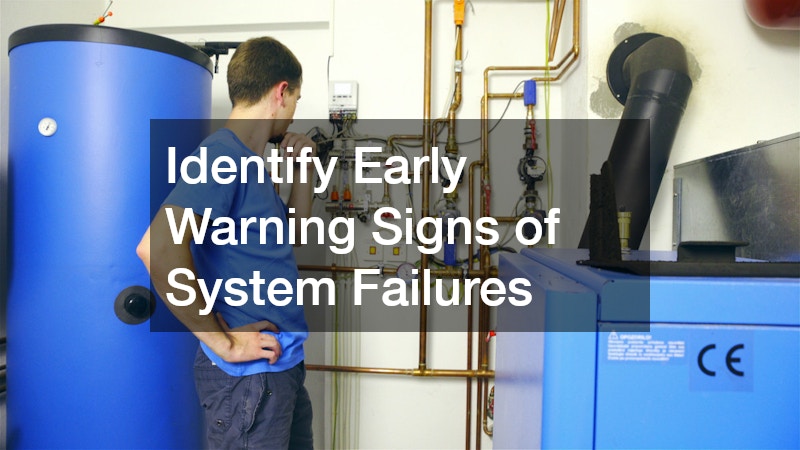
Recognizing early signs of trouble can help you avoid major disruptions and expensive repairs. Many system failures begin with subtle symptoms that are easy to dismiss, such as unusual noises or slight changes in performance. Paying attention to these indicators allows you to take action before the problem worsens. Early detection not only saves money but also helps maintain consistent comfort in your home.
Common indicators to watch for:
- Unusual noises such as banging, grinding, or squealing
- Weak airflow or inconsistent cooling
- Warm air is coming from the vents when cooling is on
Other red flags:
- Frequent cycling on and off
- Unexplained increases in energy bills
- Excess humidity or moisture around the unit
Odors can also signal problems:
- Musty smells may indicate mold growth
- Burning odors could point to electrical issues
When you notice these signs, contacting an ac repair service can help diagnose and resolve the issue quickly. Prompt attention prevents minor problems from escalating into major air conditioning repairs. Regular monitoring and quick responses ensure your system remains reliable.
Prepare Outdoor Units for Seasonal Weather Changes
Outdoor units are constantly exposed to environmental conditions, making them particularly vulnerable to wear and damage. Seasonal preparation is essential to ensure they remain in good working condition throughout the year. Weather changes can introduce debris, moisture, and temperature extremes that affect performance. Taking the time to protect and maintain these units helps prevent unnecessary repairs.
Before winter:
- Cover the unit with a breathable cover
- Remove debris from the surrounding area
- Check for loose components or damage
Before summer:
- Inspect the unit for signs of wear
- Ensure proper drainage around the base
- Clean coils and remove obstructions
Storm preparation:
- Secure loose objects nearby
- Check mounting brackets for stability
- Trim overhanging branches
Working with experienced AC contractors can help ensure your outdoor systems are properly maintained. In some cases, neglecting maintenance can lead to more serious HVAC building repairs. Professional inspections can identify issues early and keep your system running efficiently.

Handle Minor Repairs Before They Become Major Problems
Small issues can quickly turn into significant problems if left unaddressed, making it important to act as soon as you notice something unusual. Minor leaks, loose fittings, or worn components may seem insignificant at first, but they can lead to more extensive damage over time. Addressing these problems early helps maintain system efficiency and prevents costly repairs. Homeowners who stay proactive with maintenance often experience fewer disruptions.
Common minor plumbing fixes:
- Tightening loose fittings
- Replacing worn washers or seals
- Fixing slow leaks before they worsen
HVAC-related minor repairs:
- Replacing dirty filters
- Cleaning coils and vents
- Checking for loose connections
DIY vs. professional help:
- Handle simple tasks like tightening connections or replacing filters
- Avoid complex repairs involving electrical or gas components
Addressing small concerns early can prevent the need for extensive HVAC building repairs later on. Professional evaluations can also provide insight into potential future issues. Staying on top of minor maintenance tasks keeps your systems running smoothly.
Create a Seasonal Maintenance Checklist for Your Home
Creating a structured maintenance plan is one of the most effective ways to stay organized and ensure nothing gets overlooked. Without a checklist, it’s easy to forget important tasks, especially as seasons change. A well-planned routine allows you to tackle maintenance in manageable steps throughout the year. It also helps you track completed tasks and identify recurring issues.
Break tasks down by season:
Spring:
- Inspect cooling systems
- Clean outdoor units
- Check for winter damage
Summer:
- Monitor system performance
- Replace filters regularly
- Watch for overheating issues
Fall:
- Prepare heating systems
- Inspect insulation
- Seal air leaks
Winter:
- Protect pipes from freezing
- Monitor indoor humidity
- Check for drafts
Keeping a record of maintenance activities can help you anticipate future needs and budget accordingly. It also makes it easier to communicate with professionals when service is required. Incorporating routine heating and air services into your schedule ensures consistent performance, while addressing issues early reduces the likelihood of major air conditioning repairs later.
Know When to Call Professionals for Urgent Issues
Some problems require immediate attention, and knowing when to call for help can prevent serious damage to your home. Delaying action during a critical situation can lead to more extensive repairs and higher costs. Recognizing the signs of an urgent issue allows you to respond quickly and effectively. Whether it’s a major leak or a complete system failure, professional assistance is often necessary.
Plumbing emergencies:
- Burst pipes or major leaks
- Sewage backups
- No running water
HVAC emergencies:
- System failure during extreme temperatures
- Electrical issues or burning smells
- Complete loss of cooling
Immediate steps to take:
- Shut off water or power if necessary
- Avoid attempting complex repairs
- Contact a trusted professional right away
Having access to a reliable AC repair service ensures that your home can quickly return to a comfortable state. In severe cases, emergency plumbing support may be necessary to prevent extensive damage. Preparing in advance by keeping contact information readily available can save valuable time. Quick action can significantly reduce the impact of an emergency.
Staying Consistent with Year-Round Home System Care
Maintaining your home’s systems throughout the year is one of the most effective ways to ensure long-term comfort, efficiency, and reliability. By staying proactive and addressing small issues early, you can avoid costly repairs and unexpected disruptions. Consistency is key when it comes to keeping your plumbing and cooling systems in optimal condition.
Taking the time to follow a seasonal approach helps you stay organized and prepared for changing conditions. It also allows you to plan ahead for necessary repairs or upgrades without the stress of last-minute emergencies. Over time, these efforts contribute to a more efficient and comfortable living environment.