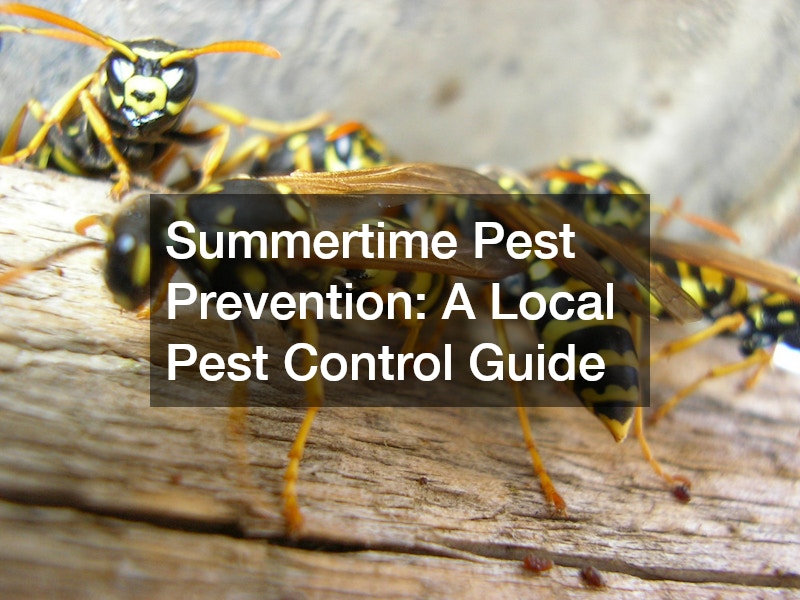
Summertime Pest Prevention: A Local Pest Control Guide
Summer brings sunshine and outdoor fun, but it’s also a peak time for pest activity due to humidity and food availability. As temperatures rise, homeowners often face infestations affecting the enjoyment of their homes.
Effective pest control is essential for maintaining a comfortable and hygienic living space. Ignoring potential pest invasions can lead to structural damage and health issues. This guide offers strategies to effectively combat pests and ensure a pest-free summer.
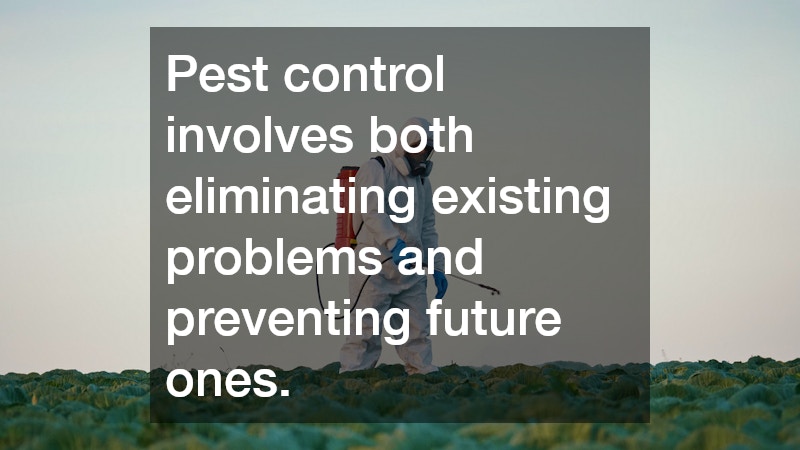
Pest control involves both eliminating existing problems and preventing future ones. Understanding the habits and behaviors of common pests enables homeowners to protect their homes and enjoy stress-free summers.
Identifying Common Summer Pests
1.1 Types of Pests
Summer can bring a range of pests into homes, each with unique challenges. Common invaders include ants, mosquitoes, flies, spiders, and wasps, all seeking food, water, and shelter. Each pest requires tailored identification and control strategies.
Understanding these pests, their habits, and life cycles helps in selecting appropriate control measures. Local pest control experts can also provide valuable insights into region-specific threats.
1.2 Signs of Infestation
Early identification of pest infestation is crucial. Visible insects, unusual sounds, droppings, and damage are typical indicators. Regular inspections, especially in suspected hiding places, can prevent infestations from escalating.
Being observant and aware of home environment changes is key. Professional check-ups can maintain a pest-free home.
1.3 Pest Behavior in Summer
Summer warmth and moisture increase pest activity as they seek resources. This often brings them into homes. Understanding pest behavior allows homeowners to implement timely, proactive measures to reduce pest encounters.
1.4 Impact on Health and Home
Pests pose serious health risks and structural issues. Diseases from mosquitoes, contaminated food from ants, and structural damage from termites are common concerns. Thus, pest management is vital to health and safety.
1.5 Local Pest Species to Watch For
Local climates determine prevalent pest species, like mosquitoes in humid areas or ants in arid ones. Knowledge of local species helps focus control efforts effectively.
Regional experts can provide insights into local pests and recommend specific solutions.
Prevention Strategies for Summer Pests
2.1 Sealing Entry Points
Preventing pest entry by sealing home entry points is effective. Inspections identify vulnerable areas. Using caulking, weather stripping, and screen repairs blocks access, improving both pest and energy control.
2.2 Utilizing Natural Repellents
Natural repellents are eco-friendly methods of managing pests. Plants and essential oils, like peppermint and lavender, deter pests. These complement other control measures, providing holistic management.
2.3 Maintaining a Clean Environment
A clean environment discourages pests seeking food, water, and shelter. Regular cleaning and proper waste management reduce attractants and hiding spots for pests.
2.4 Regular Landscaping
Landscaping reduces pest habitats by regularly mowing and maintaining yards. Proper drainage and debris removal minimize pest-friendly conditions.
2.5 Storing Food Properly
Proper food storage is crucial in preventing pest infestations. Airtight containers for pantry items and refrigerating perishables prevent odors and pest attraction.
Effective Pest Control Methods
3.1 Chemical Treatments
Chemical treatments target severe infestations with pesticides and insecticides. Usage must follow safety guidelines to avoid health risks.
3.2 Biological Control
Biological control uses natural predation to manage pests, reducing reliance on chemicals. This eco-friendly solution aligns with sustainable pest management.
3.3 Trapping Techniques
Trapping provides non-toxic pest removal options. Proper placement and maintenance ensure effectiveness in reducing pests.
3.4 Integrated Pest Management
Integrated Pest Management (IPM) combines control methods for sustainable results, prioritizing prevention and minimal chemical use. Collaboration with experts optimizes these strategies.
3.5 When to Call a Professional
Professional pest control is crucial for severe infestations. Experts provide accurate assessments and effective solutions, saving time and cost in the long run.
Long-Term Prevention and Maintenance
4.1 Establishing a Routine
Routine pest management, including inspections and maintenance, helps address issues early. Proactive management of potential pest attractants is key to prevention.
4.2 Seasonal Inspections
Regular seasonal inspections help maintain pest control by anticipating and addressing seasonal risks effectively.
4.3 Home Improvements for Pest Deterrence
Upgrades like insulation and sealing enhance home resilience against pests, providing lasting deterrence and energy savings.
4.4 Educational Resources
Educational resources offer practical skills for effective pest management. Workshops and expert consultations provide tailored advice for pest challenges.
4.5 Community Initiatives
Community efforts promote a unified approach to pest prevention and control, amplifying individual efforts through collective action.
Effective summertime pest management involves understanding pest behaviors, implementing preventive strategies, and using control methods judiciously. By combining proactive measures such as sealing entry points and utilizing natural repellents, homeowners can protect their homes and health. Engaging professional help when needed ensures sustained pest control results, supported by community and educational initiatives for long-term success.
Summertime Pest Prevention: A Local Pest Control Guide
Summer brings sunshine and outdoor fun, but it’s also a peak time for pest activity due to humidity and food availability. As temperatures rise, homeowners often face infestations affecting the enjoyment of their homes.
Effective pest control is essential for maintaining a comfortable and hygienic living space. Ignoring potential pest invasions can lead to structural damage and health issues. This guide offers strategies to effectively combat pests and ensure a pest-free summer.
Pest control involves both eliminating existing problems and preventing future ones. Understanding the habits and behaviors of common pests enables homeowners to protect their homes and enjoy stress-free summers.
Identifying Common Summer Pests
1.1 Types of Pests
Summer can bring a range of pests into homes, each with unique challenges. Common invaders include ants, mosquitoes, flies, spiders, and wasps, all seeking food, water, and shelter. Each pest requires tailored identification and control strategies.
Understanding these pests, their habits, and life cycles helps in selecting appropriate control measures. Local pest control experts can also provide valuable insights into region-specific threats.
1.2 Signs of Infestation
Early identification of pest infestation is crucial. Visible insects, unusual sounds, droppings, and damage are typical indicators. Regular inspections, especially in suspected hiding places, can prevent infestations from escalating.
Being observant and aware of home environment changes is key. Professional check-ups can maintain a pest-free home.
1.3 Pest Behavior in Summer
Summer warmth and moisture increase pest activity as they seek resources. This often brings them into homes. Understanding pest behavior allows homeowners to implement timely, proactive measures to reduce pest encounters.
1.4 Impact on Health and Home
Pests pose serious health risks and structural issues. Diseases from mosquitoes, contaminated food from ants, and structural damage from termites are common concerns. Thus, pest management is vital to health and safety.
1.5 Local Pest Species to Watch For
Local climates determine prevalent pest species, like mosquitoes in humid areas or ants in arid ones. Knowledge of local species helps focus control efforts effectively.
Regional experts can provide insights into local pests and recommend specific solutions.
Prevention Strategies for Summer Pests
2.1 Sealing Entry Points
Preventing pest entry by sealing home entry points is effective. Inspections identify vulnerable areas. Using caulking, weather stripping, and screen repairs blocks access, improving both pest and energy control.
2.2 Utilizing Natural Repellents
Natural repellents are eco-friendly methods of managing pests. Plants and essential oils, like peppermint and lavender, deter pests. These complement other control measures, providing holistic management.
2.3 Maintaining a Clean Environment
A clean environment discourages pests seeking food, water, and shelter. Regular cleaning and proper waste management reduce attractants and hiding spots for pests.
2.4 Regular Landscaping
Landscaping reduces pest habitats by regularly mowing and maintaining yards. Proper drainage and debris removal minimize pest-friendly conditions.
2.5 Storing Food Properly
Proper food storage is crucial in preventing pest infestations. Airtight containers for pantry items and refrigerating perishables prevent odors and pest attraction.
Effective Pest Control Methods
3.1 Chemical Treatments
Chemical treatments target severe infestations with pesticides and insecticides. Usage must follow safety guidelines to avoid health risks.
3.2 Biological Control
Biological control uses natural predation to manage pests, reducing reliance on chemicals. This eco-friendly solution aligns with sustainable pest management.
3.3 Trapping Techniques
Trapping provides non-toxic pest removal options. Proper placement and maintenance ensure effectiveness in reducing pests.
3.4 Integrated Pest Management
Integrated Pest Management (IPM) combines control methods for sustainable results, prioritizing prevention and minimal chemical use. Collaboration with experts optimizes these strategies.
3.5 When to Call a Professional
Professional pest control is crucial for severe infestations. Experts provide accurate assessments and effective solutions, saving time and cost in the long run.
Long-Term Prevention and Maintenance
4.1 Establishing a Routine
Routine pest management, including inspections and maintenance, helps address issues early. Proactive management of potential pest attractants is key to prevention.
4.2 Seasonal Inspections
Regular seasonal inspections help maintain pest control by anticipating and addressing seasonal risks effectively.
4.3 Home Improvements for Pest Deterrence
Upgrades like insulation and sealing enhance home resilience against pests, providing lasting deterrence and energy savings.
4.4 Educational Resources
Educational resources offer practical skills for effective pest management. Workshops and expert consultations provide tailored advice for pest challenges.
4.5 Community Initiatives
Community efforts promote a unified approach to pest prevention and control, amplifying individual efforts through collective action.
Effective summertime pest management involves understanding pest behaviors, implementing preventive strategies, and using control methods judiciously. By combining proactive measures such as sealing entry points and utilizing natural repellents, homeowners can protect their homes and health. Engaging professional help when needed ensures sustained pest control results, supported by community and educational initiatives for long-term success.