Home insulation is a crucial element in ensuring energy efficiency, comfort, and cost savings for any household. As energy prices continue to rise, understanding the options available for insulating a home can lead to significant long-term benefits. Insulation not only serves to maintain a comfortable indoor climate but also plays a critical role in reducing energy consumption, thereby lowering utility bills.
Understanding the right type of insulation and where it should be applied in the house can make a marked difference in thermal performance. In essence, proper insulation is an investment that pays dividends in lower energy costs and increased comfort over time.
What Are the Different Types of Home Insulation?
There are several types of home insulation, each with distinctive qualities that make it suitable for different applications. One of the most common forms is fiberglass insulation, known for its affordability and effectiveness in preventing heat transfer. Spray foam insulation, although more expensive, offers excellent air sealing properties and is particularly useful in hard-to-reach areas. Cellulose insulation, made from recycled paper products, is an environmentally friendly option that provides good coverage and resistance to air leakage. Understanding the benefits and limitations of each type can help homeowners make informed decisions to best suit their needs.
Fiberglass insulation is favored for its cost-effectiveness and ease of installation, making it a popular choice for DIY enthusiasts. Available in batts or loose-fill, this type of insulation provides reliable thermal resistance. However, special care must be taken during installation to avoid inhaling tiny glass fibers. On the other hand, spray foam is known for its insulating and air-sealing capabilities, creating an airtight barrier that increases energy efficiency. Despite its higher upfront cost, the benefits of spray foam often lead to energy savings that offset the initial expense over time.
Lastly, cellulose insulation is lauded for its sustainability credentials, composed largely of recycled content. It is often used in retrofit applications and can be blown into cavities, creating a dense blanket that covers gaps and holes. Although cellulose has a higher heat retention rate compared to fiberglass, it can settle over time, potentially reducing effectiveness. Its eco-friendly nature makes it an attractive choice for those committed to reducing their environmental footprint. Each type of insulation presents unique benefits, catering to different home structures, climates, and budgets.
How to Determine the Right Insulation for Your Home?
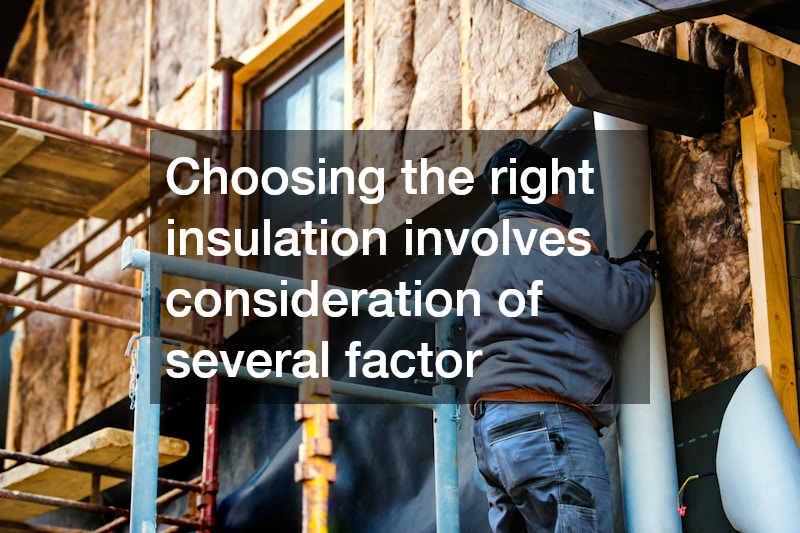
Choosing the right insulation involves consideration of several factors such as climate, home structure, and budget. The geographical location and climate of a home dictate the R-value, a measure of thermal resistance, necessary for effective insulation. For instance, homes in colder climates require higher R-values to keep warm air in and cold air out. The architectural style and age of the home also influence insulation choices, as older homes might have different requirements than newer constructions. Budgetary constraints will also play a major role in selecting the appropriate type and amount of insulation to install.
Taking climate into account, homeowners should consider the seasonal temperature variations in their regions when selecting insulation. In warmer climates, reflective or radiant barriers are often used to reduce heat gain, whereas regions with colder temperatures benefit from materials with high thermal resistance. For homes with unique architectural features, consult with professionals to understand the best insulation fit without compromising design aesthetics. Additionally, considering energy efficiency incentives or rebates offered by local or national governments can help offset initial installation costs. This reinforces why a tailored approach, rather than a one-size-fits-all, is crucial for proper insulation selection.
Budget is another significant consideration when choosing home insulation. While some materials, like spray foam, offer greater energy efficiency over time, their higher initial cost may not be feasible for everyone. Homeowners should balance upfront costs with potential long-term savings in energy bills to determine the most economical choice. The decision could also be influenced by personal priorities such as environmental impact, ease of installation, and maintenance needs. Ultimately, the best choice of insulation varies greatly from household to household, underscoring the importance of assessing each factor comprehensively.
How Does Insulation Impact Energy Efficiency?
Insulation is integral to enhancing a home’s energy efficiency by minimizing the exchange of heat through walls, ceilings, and floors. It acts as a barrier to heat loss in the winter and keeps it out in the summer, contributing to a more consistent indoor climate. This results in less reliance on heating and cooling systems, thereby reducing energy consumption and leading to cost savings on utility bills. Moreover, well-insulated homes offer greater comfort, with fewer drafts and less temperature fluctuation between different areas of the home. By optimizing energy efficiency, insulation also plays a significant role in lowering a household’s carbon footprint.
Selecting the right home insulation is a critical decision that affects energy efficiency, comfort, and cost savings. By understanding the different types of insulation and how they work, homeowners are better equipped to make informed choices suited to their individual needs. Taking into account factors such as climate, home structure, and budget is essential in determining the best insulation. The comprehensive benefits of improved energy efficiency extend beyond cost savings to include environmental sustainability, enhanced comfort, and improved health through better air quality. As energy demands continue to grow, investing in effective home insulation remains an essential strategy for households.