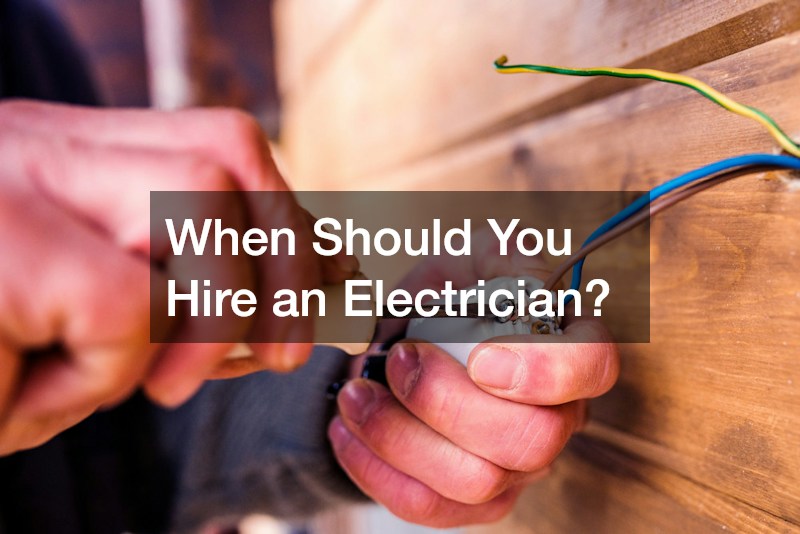
Tackling home improvement projects yourself can save money and bring a real sense of accomplishment, whether you are painting a bedroom or swapping out a leaky faucet. Electrical work, however, plays by a completely different set of rules. A small wiring mistake behind drywall does not just cause an inconvenience—it can lead to severe electric shock, damaged appliances, or hidden electrical fires. While changing a lightbulb or replacing a plastic outlet cover is safe for most homeowners, knowing when to call a licensed electrician protects both your household and your property value.
1. Circuit Breakers Keep Tripping
Your electrical panel is designed to shut off power automatically when a circuit draws more current than its wires can safely carry. If a breaker trips once because you ran a space heater and a vacuum on the same outlet, unplugging one device usually solves the issue.
However, if the same breaker trips repeatedly under normal use, something deeper is wrong. Persistent trips point to chronically overloaded circuits, a short circuit, ground faults, or a failing breaker itself. Repeatedly flipping the switch back on masks the symptom while allowing wires inside your walls to overheat.
2. Outlets Feel Warm, Spark, or Buzz
Healthy outlets and switches operate silently and stay cool to the touch. Any sensory warning sign—such as a faint buzzing sound, scorch marks around the slots, a lingering fishy or burning odor, or sparks when you plug in a cord—demands immediate attention. These symptoms typically indicate loose wire connections or degraded insulation, both of which create dangerous electrical arcing. Turn off power to that circuit at the main panel and have a professional inspect the wiring before using the outlet again.
3. Lights Flicker or Dim Unexpectedly
A single bulb flickering usually means the bulb is loose or nearing the end of its lifespan. When multiple lights dim or surge every time your refrigerator, microwave, or air conditioner kicks on, your home’s electrical system is struggling to handle the load. Widespread flickering can also signal loose connections at the main service panel, corroded service entrance cables, or voltage fluctuations that gradually damage sensitive electronics like computers and smart televisions.
4. You Have Outdated Wiring or Two-Prong Outlets
Homes built more than forty or fifty years ago often contain electrical systems that were never designed for modern power demands. Two-prong outlets lack a grounding wire, leaving both you and your electronics vulnerable to power surges. Older properties may also harbor knob-and-tube wiring or 1960s-era aluminum branch wiring, both of which carry higher fire risks and can complicate homeowners insurance coverage. Additionally, if your kitchen, bathroom, garage, or outdoor outlets lack Ground Fault Circuit Interrupter (GFCI) protection, upgrading them is essential for preventing shock near water.
5. You Are Remodeling or Adding High-Draw Appliances
Any project that involves running new wire behind walls, moving switches, or installing dedicated circuits belongs in professional hands. Modern additions like Level 2 electric vehicle chargers, hot tubs, tankless water heaters, and central air conditioning systems require substantial amperage and specific breaker configurations. Similarly, if your home still runs on an outdated fuse box or an undersized 60-amp or 100-amp service panel, expanding your living space or upgrading major appliances usually requires a full panel upgrade to meet current building codes.
6. After Flooding or Severe Storm Damage
Water and electricity are a lethal combination. If your basement floods, a roof leak reaches ceiling fixtures, or a storm damages the exterior weatherhead where utility lines enter your home, never touch submerged appliances or damp panels. Have an electrician inspect and test the system before restoring power.
Protecting Your Home and Investment
Beyond immediate safety, professional electrical work ensures your home stays compliant with local building codes and municipal permit requirements. Unpermitted DIY wiring frequently surfaces during home inspections, delaying real estate closings or forcing costly last-minute repairs, and insurance companies may deny fire claims traced back to unlicensed electrical modifications. Whenever a repair goes beyond basic cosmetic swaps, hiring a qualified electrician gives you lasting peace of mind that the job is done safely, legally, and built to handle your home’s power needs for years to come.