Key Takeaways:
- Bathtub clogs usually develop gradually over time as hair, soap residue, oils, and minerals accumulate, meaning most blockages are preventable if caught early.
- The earliest warning signs are often subtle—like slower drainage or faint gurgling noises—but they typically signal that buildup has already started forming inside the pipes.
- Most clogs don’t happen deep in the plumbing system but instead form near the drain opening, stopper assembly, or P-trap where debris naturally collects and sticks.
- Simple DIY methods such as hot water flushes, manual hair removal, and basic plunging can effectively clear many early-stage clogs without the need for specialized tools.
- More stubborn blockages often require mechanical tools like a drain snake, which physically removes or breaks apart dense hair and debris that household methods can’t reach.
- Chemical drain cleaners may provide temporary relief but can also damage pipes and rarely address the full clog, making them less reliable than mechanical or manual solutions.
- Consistent maintenance habits and early attention to slow drainage issues are the most effective ways to prevent recurring clogs and avoid more serious plumbing problems later on.
A clogged bathtub is one of those household problems that always shows up at the worst possible time. You step into the shower expecting a normal routine, and suddenly you’re standing in ankle-deep water wondering what went wrong. The good news is that most bathtub clogs are fixable without specialized skills or expensive tools. Even better, once you understand what causes these blockages, you can prevent them from coming back.
This guide walks you through how to unclog a bathtub using practical methods, explains what actually causes the blockage in the first place, and shows you how to keep your drain flowing smoothly long-term.
Why Do Bathtub Drains Get Clogged in the First Place?
Bathtub drains rarely fail suddenly without warning. In most cases, a clog is the result of weeks or even months of gradual buildup happening inside the pipes. Every time you shower or take a bath, small amounts of debris go down the drain, and over time, these materials start sticking together. Eventually, the buildup becomes thick enough to slow down water flow or block it completely.
One of the biggest reasons this happens is that bathtub drainage systems are designed for water—not solids, oils, or fibers. Once anything other than water enters the drain, it begins interacting with the inner walls of the pipe, especially in areas where flow is slower or the pipe curves.
The most common causes include:
- Hair buildup: Hair is the leading cause of bathtub clogs. It doesn’t just go down the drain individually—it clumps together, especially when mixed with soap and oils. Over time, these tangled strands form dense mats that catch other debris and grow larger.
- Soap scum: Many people assume soap washes away completely, but it actually leaves behind a sticky residue. This residue coats the inside of pipes and creates a surface that traps hair, dirt, and other particles, accelerating blockage formation.
- Dirt and body oils: Even after rinsing, your skin naturally sheds oils and tiny particles of dirt. These don’t dissolve in water and instead cling to the pipe walls, contributing to slow buildup over time.
- Hard water minerals: In homes with hard water, minerals like calcium and magnesium gradually settle inside pipes. This narrows the passageway and makes it easier for other debris to get stuck.
- Foreign objects: Small items such as razor caps, shampoo lids, or bath product seals can accidentally slip into the drain. Even if they don’t fully block the pipe, they can act as anchor points for hair and debris to collect around.
When these factors combine, they create a layered blockage—starting soft and stringy, then becoming thick, sticky, and compact. Once the clog reaches a certain point, water can no longer pass through efficiently, leading to slow drainage or complete blockage.
How Can You Tell Your Bathtub Is Actually Clogged?
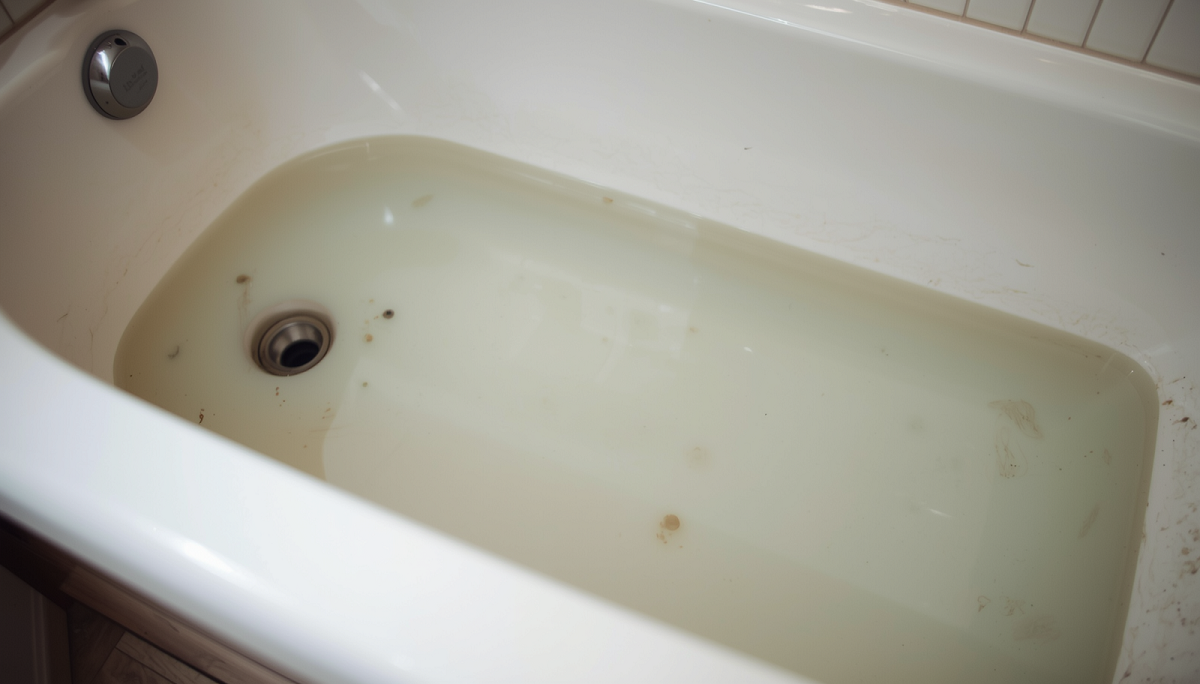
Not all clogs are obvious. Some start so gradually that homeowners only notice when the problem becomes annoying or disruptive. The key is recognizing early signs before the blockage becomes severe.
Common warning signs include:
- Water draining slower than usual: This is often the first indicator. Even a slight delay in drainage usually means buildup has already started forming inside the pipe.
- Gurgling sounds after draining: Air pockets trapped in the plumbing system can create bubbling or gurgling noises as water struggles to pass through restricted areas.
- Standing water during showers or baths: If water starts pooling around your feet, it means the drain is no longer keeping up with normal flow.
- Foul smells coming from the drain: Odors usually come from trapped hair, soap, and organic material breaking down inside the pipe.
- Water rising instead of flowing down: In more severe cases, water may actually come back up slightly before draining, indicating a significant blockage or venting issue.
If you notice more than one of these symptoms at the same time, it’s usually a strong sign that the clog is already established and will not resolve on its own.
What Should You Do First Before Trying Any Fix?
Before attempting any method to clear a clogged bathtub, it’s important to assess the situation carefully. Jumping straight into a solution without understanding the severity or location of the clog can sometimes make things worse, especially if you accidentally push the blockage deeper into the plumbing system.
Start with these simple but important checks:
- Remove visible hair or debris near the drain opening: Sometimes the clog is partially exposed and can be pulled out by hand or with a simple tool like a drain hook.
- Check the tub stopper mechanism: Many bathtub stoppers can collect hair and soap buildup underneath or around their moving parts, restricting water flow even if the pipe itself isn’t fully blocked.
- Run a small amount of water: This helps you understand how severe the issue is. Slow drainage suggests partial blockage, while immediate pooling points to a more serious clog.
- Avoid adding chemicals right away: It may be tempting to pour a drain cleaner immediately, but this can backfire if the clog is solid or deep. Chemicals may sit above the blockage instead of breaking it down effectively.
At this stage, the most important thing is observation. A careful approach helps you choose the right method instead of wasting time or potentially damaging your plumbing.
What Are the Easiest DIY Ways to Unclog a Bathtub?
Most bathtub clogs can be resolved without professional tools, especially if caught early. Simple household methods are often surprisingly effective because they target the most common causes like hair, soap scum, and grease buildup.
Here are some practical DIY approaches:
- Boiling water flush: Pouring boiling or very hot water directly into the drain can help break down soap residue and loosen minor buildup. This works best when repeated in intervals rather than just once.
- Baking soda and vinegar reaction: When combined, these ingredients create a fizzing action that helps loosen grime stuck inside the pipe walls. It’s especially useful for mild clogs and ongoing maintenance.
- Manual removal: If you can see hair near the drain opening, physically pulling it out is one of the fastest and most effective ways to restore flow immediately.
- Hot water rinse cycles: Running several rounds of hot water through the drain helps gradually wash away loosened debris and prevent it from resettling.
These methods are most effective when the clog is still in its early stages. Once water stops draining completely, more direct tools are usually required.
How Do You Use a Plunger on a Bathtub Properly?
A plunger can be surprisingly effective for bathtub clogs, but only if it’s used correctly. Unlike toilets, bathtub drains often require a tighter seal and more controlled pressure to create the suction needed to move the blockage.
Here’s how to do it properly:
- Fill the tub with enough water to cover the plunger’s rubber cup
- Seal the overflow drain using a wet cloth or tape to prevent air escape
- Position the plunger directly over the drain and ensure a tight seal
- Push down and pull up firmly in steady, repeated motions
- Continue for about 20–30 seconds before checking drainage
The pressure changes created by plunging help dislodge compacted debris and shift it through the pipe. If successful, you’ll usually notice a sudden improvement in drainage rather than a gradual one.
When Should You Use a Drain Snake?
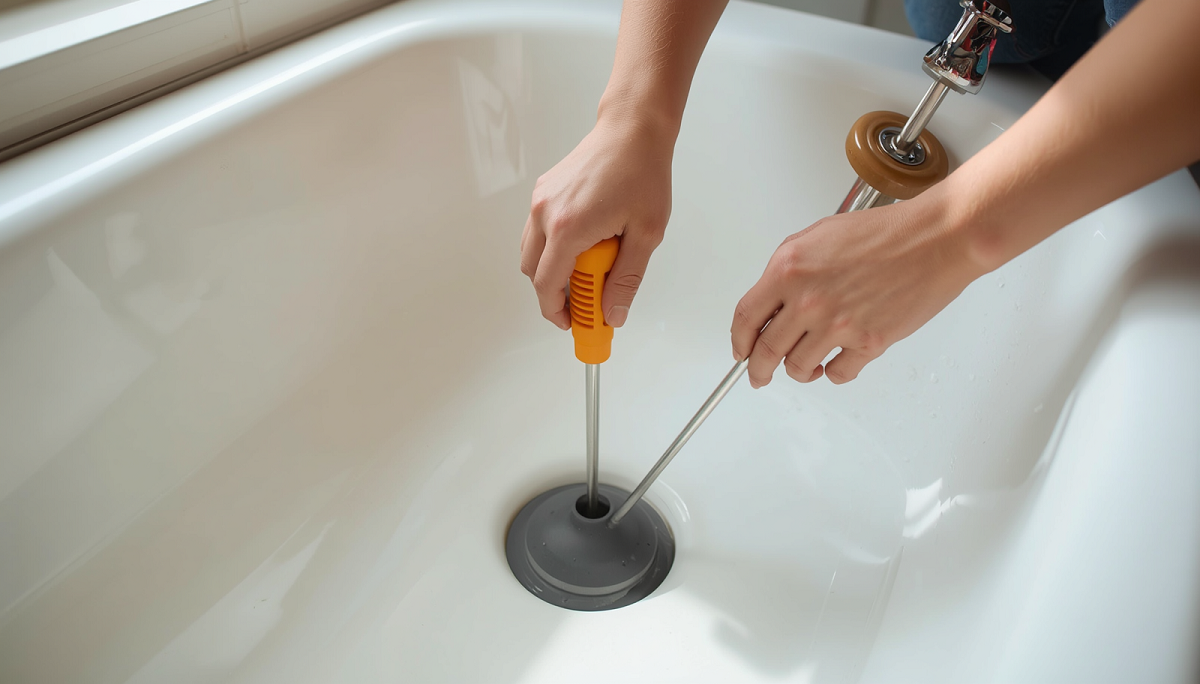
If plunging doesn’t improve the situation, a drain snake (also called a plumbing auger) is often the next logical step. This tool is designed to reach deeper into the pipe where hair and debris tend to accumulate beyond the reach of simple household methods.
To use it effectively:
- Insert the snake slowly into the drain opening
- Turn the handle clockwise while feeding it deeper into the pipe
- Continue until you feel resistance, which usually indicates contact with the clog
- Rotate the snake to latch onto or break apart the blockage
- Pull it out carefully, removing any attached debris
Drain snakes are especially useful for hair clogs because they can physically grab and extract tangled buildup rather than just pushing it further down the line.
Can Natural Cleaning Solutions Really Help?
Natural cleaning solutions can be helpful, but they work best as maintenance tools rather than emergency fixes. They are generally effective at loosening light buildup and preventing new clogs from forming.
Common options include:
- A baking soda and vinegar mixture
- Hot water combined with dish soap
- Salt dissolved in boiling water
These methods rely on breaking down residue and loosening buildup gradually. They are not designed to cut through dense clogs but are useful for keeping drains clear between deeper cleanings.
Are Chemical Drain Cleaners a Good Idea?
Chemical drain cleaners are widely available and often marketed as quick fixes, but they come with important limitations. While they may provide temporary relief, they don’t always address the full blockage, especially if it is made primarily of hair.
Key considerations include:
- They can gradually weaken older or fragile pipes
- They may fail to dissolve tightly packed hair clogs
- Repeated use can damage pipe joints and seals
- They often release strong fumes that require ventilation
Because of these drawbacks, chemical cleaners are generally better reserved for occasional use rather than routine maintenance or first-line treatment.
Where Do Most Bathtub Clogs Actually Form?
Many people assume clogs happen deep inside the plumbing system, but in reality, most blockages begin relatively close to the drain opening. This is why they are often easier to prevent or fix than expected when caught early.
Common clog formation points include:
- The drain stopper assembly, where hair often collects unnoticed
- The upper section of pipe just below the drain opening
- The P-trap, where water naturally slows and debris settles
- Pipe junctions, where changes in direction encourage buildup
These areas create natural “collection zones” where hair, soap, and debris tend to stick together. Over time, these small deposits grow into full blockages that restrict water flow.
How Often Should You Clean Your Drain?
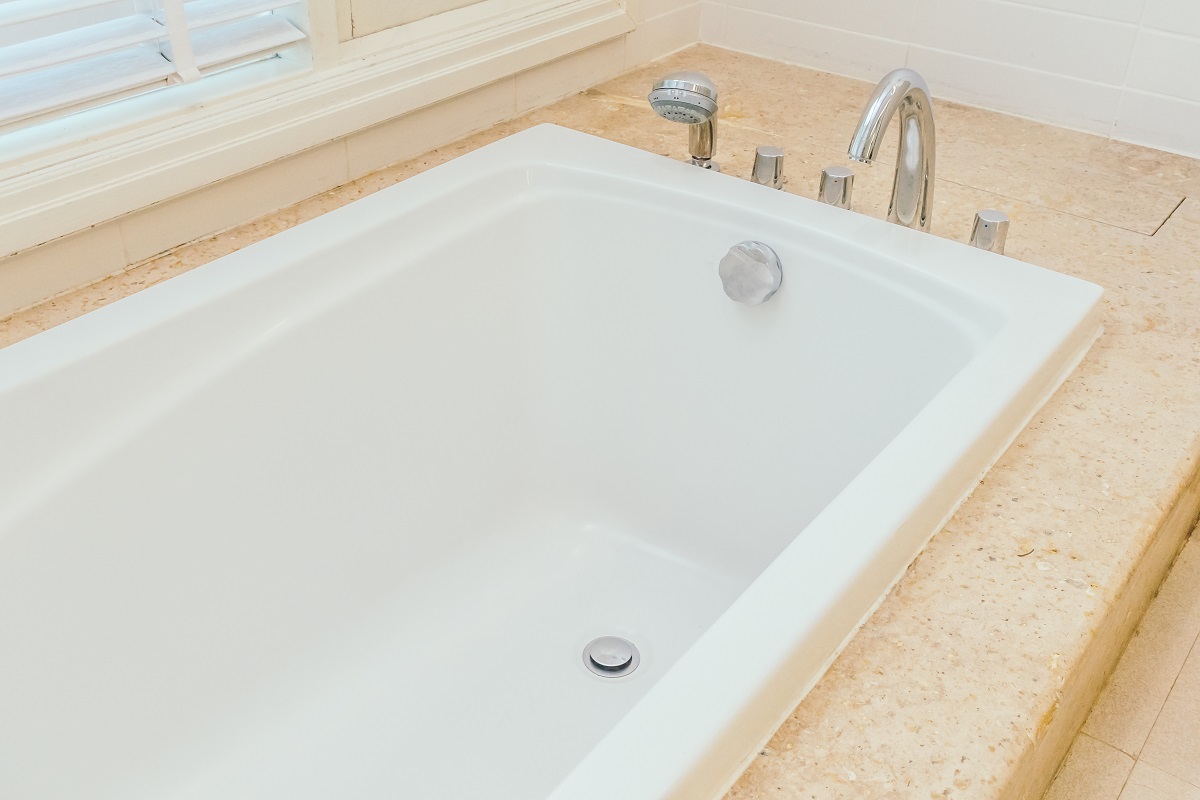
Keeping your drain clean isn’t just about fixing problems when they show up—it’s about preventing them from happening in the first place. Most bathtub clogs don’t happen overnight. They build up slowly over time as hair, soap residue, body oils, and minerals accumulate inside the pipes. Regular maintenance breaks that cycle before it turns into a full blockage.
A good routine doesn’t need to be complicated or time-consuming. The key is consistency. When you clean in small, regular intervals, you avoid the kind of heavy buildup that usually leads to slow drainage or complete clogs.
Here’s a more detailed maintenance routine that works well for most households:
- Weekly: Remove visible hair and debris from the drain cover or stopper area. Even a small amount of trapped hair can start forming a clog if it’s left to collect week after week. This is also a good time to quickly rinse the drain with warm water to help prevent early buildup.
- Monthly: Flush the drain with hot water combined with a mild cleaning solution, such as dish soap or a baking soda mixture. This helps break down soap scum and oils that cling to the inside walls of the pipes before they harden.
- Every 2–3 months: Do a deeper clean using a drain snake or a natural solution like baking soda and vinegar. This step helps remove buildup that isn’t visible but may already be restricting water flow. It’s especially useful if you notice even slight slowing in drainage.
- As needed: Inspect the drain stopper and overflow plate for trapped hair or residue. These areas are often overlooked, but they’re common spots where buildup starts before moving deeper into the plumbing system.
Sticking to this kind of schedule makes a noticeable difference over time. Your bathtub drains more efficiently, unpleasant odors are less likely to develop, and you reduce the chances of sudden clogs that disrupt your routine.
More importantly, understanding the benefits of regular drain cleaning helps you see maintenance as prevention rather than a chore. Instead of dealing with emergency plumbing issues, you’re actively keeping your system in good condition, maintaining steady water flow, and avoiding the kind of unexpected breakdowns that can be both stressful and costly.
How Do You Prevent Future Bathtub Clogs?
Once you’ve cleared a clog, the next step is making sure it doesn’t come back. Prevention is usually easier than repair.
Effective prevention habits include:
- Installing a drain cover or hair catcher
- Brushing hair before showering
- Avoiding oil-based bath products that leave residue
- Running hot water after each use
- Cleaning drain covers regularly
- Avoiding flushing foreign objects down the tub
Small habits like these can dramatically reduce buildup over time.
What Signs Should You Never Ignore in Your Plumbing System?
Some plumbing problems don’t start as emergencies. In fact, most of them begin quietly, almost invisibly. A slightly slow drain or an occasional odor might not feel urgent at first, so it’s easy to ignore them and assume they’ll sort themselves out. The problem is that plumbing systems rarely “self-correct.” More often, small issues steadily worsen until they turn into full blockages, leaks, or even water damage that spreads beyond the bathroom.
A slow-draining tub, for example, might seem like a minor annoyance today. But that sluggish flow is often the earliest stage of a growing clog made up of hair, soap residue, and debris narrowing your pipes. Left unchecked, it can escalate into standing water that refuses to drain at all.
This is exactly why plumbing fixes are among the home repairs you should not put off. Even though it may seem like something you can deal with later, delaying attention often allows buildup or damage to spread deeper into the plumbing system. Once that happens, what could have been a simple fix may require more extensive cleaning, parts replacement, or professional intervention.
Paying attention to early warning signs can save you from unnecessary stress and expense. Here’s what to watch for:
- Persistent slow drainage that doesn’t improve even after basic cleaning attempts
- Frequent recurring clogs in the same bathtub or sink, suggesting a deeper blockage
- Strange or unpleasant smells coming from the drain, often caused by trapped organic buildup
- Gurgling or bubbling sounds in multiple drains, which may indicate air trapped in the plumbing system
- Water backing up into other fixtures when the tub is used or drained
Individually, these signs might not seem serious. But when they appear repeatedly—or in combination—they often point to a more significant underlying issue rather than a simple surface-level clog.
When Should You Call a Professional Plumber?
DIY methods work in most cases, but there are times when professional help is necessary.
You should call a plumber if:
- The clog keeps coming back quickly
- Multiple drains are affected at once
- Water is backing up into other fixtures
- You’ve tried multiple methods without success
- You suspect a deep or structural blockage
Professional plumbers can use advanced tools like motorized augers or camera inspections to identify and remove stubborn blockages safely.
Final Thoughts
A clogged bathtub might feel like a major inconvenience, but it’s usually a manageable issue once you understand how drains behave. Most blockages form slowly from everyday use, which means consistent maintenance makes a big difference.
With the right combination of simple cleaning habits, occasional deep cleaning, and early intervention, you can keep your bathtub draining smoothly and avoid unexpected plumbing headaches in the future.