Every season brings a different set of challenges for homeowners. Summer heat can strain cooling systems and dry out landscaping, while winter freezes can damage pipes and increase energy costs. Spring storms often arrive with heavy rain and high winds, and fall is the time when unnoticed wear and tear starts becoming more serious.
Many homeowners wait until a major storm warning appears before thinking about preparation, but severe weather rarely gives much notice. The homes that handle seasonal extremes best are usually the ones that receive consistent attention throughout the year. Small preventative tasks often prevent expensive emergency repairs later.
Preparing your home for severe weather is not about turning your property into a fortress. It is about reducing vulnerabilities, improving efficiency, and creating a safer environment for the people living there. From checking drainage around the foundation to inspecting outdoor structures, each improvement adds another layer of protection.
Seasonal preparation also helps homeowners feel more confident when forecasts become unpredictable. Instead of scrambling for supplies or worrying about hidden damage, proactive homeowners already know the condition of their property. That peace of mind becomes especially valuable during long storm seasons or periods of extreme temperatures.
Inspecting Vulnerable Areas Around the Exterior
A surprising number of weather-related home problems begin outside long before they become visible indoors. Tiny roof leaks, loose fence posts, or cracked siding may not seem urgent during calm weather, but strong storms can turn minor issues into major repairs within hours.
Walking around your property at the start of each season can help you spot trouble early. Pay close attention to:
- Missing shingles
- Soft areas around windows or doors
- Standing water near the foundation
- Leaning fences
- Gutters pulling away from the roofline
Even something as simple as clogged gutters can create significant water damage during heavy rainfall. Overflowing water often seeps into basements, damages fascia boards, and weakens landscaping around the home.
Outdoor structures deserve special attention before storm season arrives. Homeowners sometimes overlook older fencing until a windstorm knocks entire sections down. In many cases, aging wood posts or loose anchors are already weakened long before the storm hits. Professional fencing installation can provide stronger support systems designed to handle repeated exposure to wind, moisture, and shifting soil conditions.
The same idea applies to sheds, pergolas, and detached garages. If these structures already wobble during normal weather, severe conditions will almost certainly expose those weaknesses further.
One homeowner discovered this firsthand after ignoring a slightly leaning backyard fence for months. During a spring thunderstorm, several fence panels collapsed into the neighboring yard because the supporting posts had rotted underground. A relatively small repair suddenly became a much larger and more expensive project.
Managing Indoor Comfort During Extreme Temperatures
Temperature swings place enormous stress on household systems. During severe heat waves, cooling equipment often runs for hours without stopping. In winter, heating systems and insulation work overtime to maintain indoor comfort.
Many homeowners do not realize how much energy their homes lose through neglected maintenance. Drafty windows, poor attic insulation, and blocked vents can dramatically increase monthly utility costs while making rooms feel uncomfortable.
Cooling systems are especially vulnerable during peak summer temperatures. A unit that seems functional during mild weather may suddenly struggle during a ninety-five-degree afternoon. Weak airflow, unusual noises, or inconsistent temperatures throughout the house are often early warning signs that ac repair may soon become necessary.
One homeowner might notice their upstairs bedrooms feeling warmer every afternoon despite the thermostat remaining unchanged. Another may hear grinding noises from the outdoor unit during the first major heat wave of the year. These issues rarely improve on their own. Addressing them early usually costs far less than replacing a completely failed system during peak season.
Moisture control becomes equally important during humid months. Bathrooms are often one of the first places where humidity problems appear. Condensation buildup, peeling paint, and recurring mildew usually indicate ventilation issues that worsen over time.
In older homes, bathroom remodeling projects frequently include upgraded exhaust systems, water-resistant flooring, and improved lighting that helps homeowners spot leaks faster. These upgrades are not purely cosmetic. Better ventilation and moisture management can significantly reduce long-term damage caused by humid weather conditions.
Another overlooked issue during extreme weather is indoor air quality. Homes sealed tightly for energy efficiency can trap humidity, dust, and allergens inside if ventilation systems are outdated. Seasonal maintenance should include checking air filters regularly and ensuring vents remain unobstructed throughout the home.
Protecting Plumbing Systems Before Temperatures Shift
Water damage is one of the most expensive and disruptive problems homeowners face, and seasonal weather often plays a major role. Pipes expand and contract as temperatures fluctuate, placing stress on joints and older materials.
Winter conditions are especially risky for exposed plumbing lines. Pipes located in crawl spaces, garages, or exterior walls are far more vulnerable to freezing. Once water freezes inside a pipe, pressure builds quickly. Even a small crack can release gallons of water into the home within minutes.
Preventative maintenance is far easier than emergency restoration. Homeowners should inspect vulnerable areas before temperatures drop and take steps such as:
- Insulating exposed pipes
- Disconnecting outdoor hoses
- Sealing drafts near plumbing access points
- Allowing faucets to drip during severe freezes
Routine plumbing inspections also help identify slow leaks that often remain hidden behind walls or beneath flooring. A small leak might seem harmless during dry weather, but moisture buildup combined with changing temperatures can create mold growth and structural damage over time.
Water heaters deserve attention as well. Seasonal demand increases dramatically during colder months when households rely more heavily on hot water. Older units often struggle during these periods, especially if sediment buildup has reduced efficiency.
A homeowner may first notice inconsistent water temperatures or longer recovery times after showers. In some cases, rust-colored water or strange popping noises begin appearing shortly before failure occurs. Addressing these warning signs early can help families avoid losing hot water during freezing weather.
Modern water heater installation options are far more energy efficient than older systems. Many homeowners choose upgrades specifically to improve reliability during seasonal temperature changes. Larger households may also benefit from professional water heater installations that better match increased usage demands during winter months.
It is also worth checking shut-off valves before severe weather arrives. During emergencies, homeowners should know exactly how to stop water flow quickly if a pipe bursts. Waiting until a crisis occurs is not the ideal time to learn that a valve is stuck or inaccessible.
Improving Drainage Throughout the Property
Heavy rainfall can expose drainage weaknesses that remain unnoticed during dry weather. Water pooling near foundations, sidewalks, or patios may seem minor at first, but repeated saturation gradually weakens structural materials.
The grading around your home plays a major role in directing water safely away from the structure. If the soil slopes toward the house instead of away from it, rainwater naturally collects near the foundation. Over time, this can lead to basement leaks, foundation cracks, and shifting concrete.
Good drainage often depends on a combination of landscaping and functional plumbing systems. Downspouts should extend far enough from the home to prevent runoff from immediately returning toward the structure. French drains and buried drainage lines may also help properties that experience repeated flooding.
Some homeowners only discover drainage problems after a severe storm leaves standing water across the yard for days. Others notice muddy patches that never fully dry after rainfall. These recurring signs usually indicate that water is not moving away efficiently.
Landscaping choices can also influence how well a property handles seasonal weather. Grass lawns sometimes struggle during prolonged droughts or periods of excessive rain. In areas with unpredictable weather patterns, artificial turf install projects have become increasingly common because they reduce mud, erosion, and maintenance requirements.
Artificial surfaces can also help homeowners maintain more stable outdoor spaces during heavy rain seasons when natural grass becomes difficult to manage. While no landscaping solution eliminates weather-related challenges entirely, durable ground coverings can reduce long-term maintenance problems.
Homeowners should also inspect retaining walls and decorative stonework after major storms. Shifting soil or hidden erosion may weaken these structures slowly over time. Addressing drainage issues early usually costs far less than repairing foundation damage or rebuilding collapsed landscaping later.
Reinforcing Outdoor Living Areas Before Storm Season
Backyards have evolved into important living spaces for many families. Pools, outdoor kitchens, patios, and entertainment areas often represent major investments, which makes weather preparation even more important.
Unfortunately, outdoor areas are constantly exposed to changing conditions. Strong winds can scatter debris across patios and damage pool equipment. Heavy rainfall may shift soil beneath concrete surfaces. Even prolonged sunlight gradually weakens certain materials over time.
Pool systems are particularly sensitive to weather extremes. Pumps, filters, electrical components, and surrounding decking all require seasonal inspections. Cracked tiles or unstable surfaces around the pool area can become safety hazards during wet conditions.
An experienced pool contractor can help homeowners identify weaknesses before storms create larger structural issues. In some cases, reinforcing drainage systems around the pool prevents water accumulation that might otherwise damage nearby landscaping or hardscaping.
Outdoor furniture and decorative features should also be secured before severe weather arrives. Lightweight items can become dangerous projectiles during high winds. Homeowners who live in hurricane-prone regions often create dedicated storage plans for outdoor equipment during storm season.
Trees deserve equal attention. Large branches hanging over roofs, driveways, or power lines create obvious risks during storms. Yet many homeowners delay trimming because healthy-looking trees appear stable from the outside.
A single weak branch can still break under heavy wind or saturated soil conditions. Regular inspections by arborists help identify hidden disease, decay, or root instability before problems escalate.
When replacing damaged landscaping, visiting a reputable tree nursery can help homeowners choose species better suited for local climate conditions. Native or weather-resistant trees often handle seasonal extremes more effectively than ornamental varieties that struggle outside ideal conditions.
One family learned this after repeatedly replacing decorative trees that failed during drought conditions every summer. After consulting specialists and selecting hardier native species, they noticed healthier growth and fewer storm-related issues over time.
Creating a Reliable Household Emergency Plan
Even well-maintained homes can experience unexpected problems during severe weather. Power outages, blocked roads, and emergency repairs may occur despite careful preparation. That is why practical emergency planning matters just as much as physical maintenance.
Many families underestimate how stressful emergencies become when supplies are disorganized or incomplete. Searching for batteries during a blackout or realizing bottled water ran out halfway through a storm creates unnecessary anxiety.
A reliable emergency plan should include both supplies and communication strategies. Important documents should remain accessible, and every household member should understand basic procedures for different types of emergencies.
Useful emergency supplies often include:
- Flashlights and extra batteries
- Portable phone chargers
- Bottled water
- Nonperishable food
- First aid supplies
- Blankets
- Emergency contact information
Families with children, pets, or elderly relatives may need additional preparations depending on their specific needs.
Severe storms also raise questions about shelter and physical safety. In tornado-prone regions especially, homeowners increasingly look for more secure protection options beyond interior bathrooms or closets.
Installing a storm shelter can provide significant peace of mind during severe weather events. Modern shelters are designed to withstand extreme wind conditions while offering faster access during emergencies. For families who have experienced close calls during past storms, the emotional reassurance alone often becomes one of the biggest benefits.
One homeowner in a tornado-prone area described how their perspective changed after spending an anxious night crowded into a hallway while sirens sounded outside. After installing a reinforced shelter the following year, future storm warnings felt far less overwhelming because the family had a dedicated safety plan already in place.
Communication planning matters too. Families should establish meeting locations and backup contact methods in case cell service becomes unreliable during emergencies. Knowing these details ahead of time reduces confusion during stressful situations.
Building Seasonal Habits That Prevent Expensive Repairs
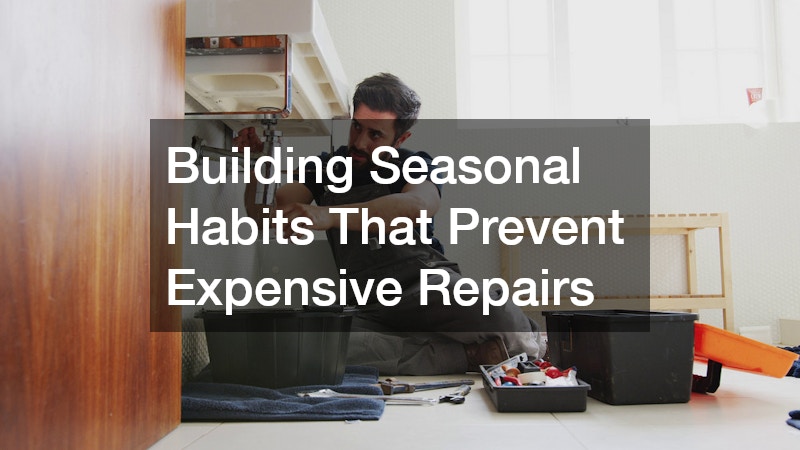
One of the biggest mistakes homeowners make is assuming that severe weather preparation only matters when forecasts become alarming. In reality, the condition of your home during calm weather often determines how well it performs during emergencies. Small habits repeated consistently throughout the year usually provide more protection than rushed last-minute repairs.
For example, homeowners who routinely clean gutters every fall are far less likely to experience water intrusion during spring storms. Families who test sump pumps before rainy seasons arrive avoid discovering failures after the basement has already flooded. These simple routines may seem minor individually, but together they create a much stronger and more dependable home environment.
It is also important to understand how different systems within the home affect one another. Poor attic ventilation can increase roof wear during summer heat while also contributing to moisture buildup during colder months. Drainage problems outside the home may eventually create indoor humidity issues or foundation movement. Severe weather preparation works best when homeowners view the property as a connected system rather than a collection of unrelated parts.
Some homeowners create seasonal checklists to stay organized throughout the year. Others schedule professional inspections at the same time annually so maintenance becomes routine instead of reactive. The specific approach matters less than building consistency.
Weather patterns in many regions are becoming increasingly unpredictable, which means homes now face a wider range of conditions than they did decades ago. Long heat waves, sudden freezes, stronger storms, and rapid rainfall can place unusual stress on aging structures. Staying proactive allows homeowners to adapt before those changing conditions create expensive damage.
Ultimately, preparing for severe seasonal weather is an investment in both safety and long-term peace of mind. A well-maintained home not only withstands difficult conditions more effectively but also remains more comfortable, efficient, and valuable throughout every season of the year.
Maintaining Confidence Through Every Season
Homeownership always involves a certain amount of unpredictability, especially when weather conditions shift suddenly. However, preparation dramatically reduces the likelihood that severe weather will turn into a financial or emotional disaster.
The goal is not to eliminate every possible risk. Instead, it is about improving your home’s ability to handle stress while giving your household better tools to respond calmly when problems arise. A roof inspection today may prevent thousands of dollars in water damage later. Trimming weak branches now could prevent injuries or costly repairs during the next major storm.
Seasonal maintenance also creates a stronger sense of familiarity with your property. Homeowners who regularly inspect their homes tend to notice unusual sounds, leaks, or changes much faster than those who rarely look closely at their systems. That awareness often leads to quicker repairs and fewer surprises.
Over time, these efforts create more than just physical protection. They create confidence. Whether temperatures soar, storms intensify, or winter freezes arrive unexpectedly, homeowners who stay proactive are far more prepared to keep their homes safe, functional, and comfortable throughout the year.