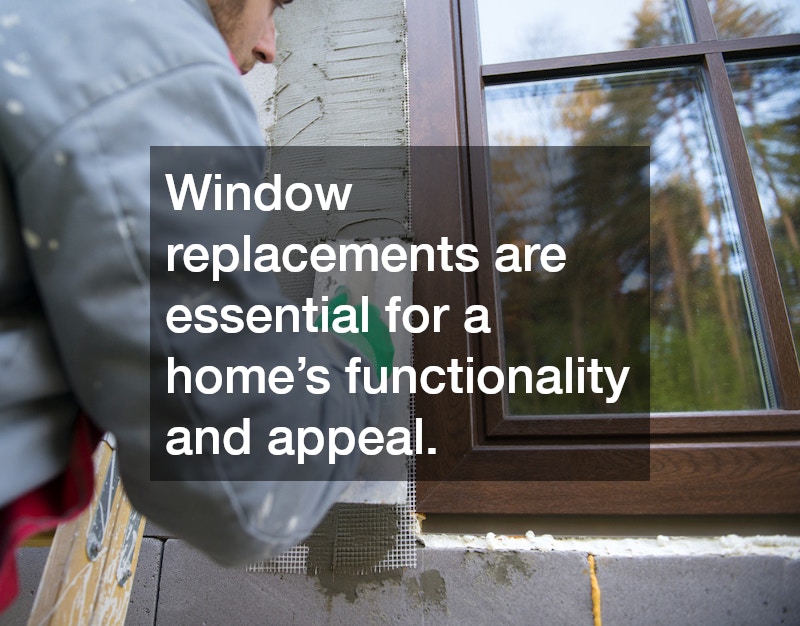
Windows are crucial for a home’s structure, impacting appearance and environment. Choosing the right replacement is vital for energy efficiency, aesthetics, and comfort. This guide explores different types of replacements and key considerations. Understanding these options will help you make the best choice for your specific needs.
What Are the Different Types of Window Replacements?
Single-Hung Windows
Single-hung windows have a fixed upper sash and movable lower sash, offering a classic appeal. They enhance energy efficiency and are often more affordable.
These windows are a popular selection for historical homes due to their traditional look.
Double-Hung Windows
Double-hung windows improve ventilation with two movable sashes, are easy to clean, versatile, and energy-efficient. Their flexibility makes them ideal for rooms that face varying wind directions.
Sliding Windows
Sliding windows open horizontally, perfect for rooms with low ceilings. They are low-maintenance and provide ample natural light. This design also allows for easy operation, ideal for spaces where accessibility is a concern.
Casement Windows
Casement windows open outward, capturing breezes well. They seal tightly for great energy efficiency and suit various designs. Their opening mechanism offers excellent security when locked.
Picture Windows
Picture windows offer expansive views and energy efficiency by being fully sealed. They increase natural light and aesthetic value.
How Do I Choose the Right Window Replacement?
Considerations of Climate
Consider your climate: cold areas may need triple-glazed windows, warm areas might prefer low-emissivity coatings. Proper selection impacts energy use and comfort. Match your window choice to environmental challenges to optimize performance.
Energy Efficiency Factors
Energy efficiency is crucial. Look for high Energy Star ratings, double/triple glazing, and consider window orientation for optimal results. Consider using window treatments to further control energy flow.
Aesthetics and Design
Window style should complement your home’s architecture. Choices range from modern to traditional, aligning with your home’s style enhances value.
Cost Comparison
Window replacement costs vary; balance between cost, efficiency, and durability. Vinyl windows are budget-friendly, while wood offers classic appeal. Evaluate long-term savings versus initial investment carefully.
Installation Process
Professional installation prevents drafts and prolongs window lifespan. Follow manufacturer guidelines to ensure effectiveness. Professional services also include clean-up post-installation.
What Are the Benefits of Replacing Windows?
Improved Insulation
New windows enhance insulation, stabilizing temperatures and reducing energy dependency. Proper insulation also contributes to a sustainable, eco-friendly home environment.
Enhanced Home Value
Replacements boost home value with aesthetic improvements and modern features. Buyers will appreciate the reduced future maintenance and improved efficiency.
Increased Comfort
Modern windows reduce drafts and noise, offering UV protection, and maximizing light and views. Enhanced comfort means increased living satisfaction on a daily basis.
Sound Reduction
Double/triple-glazed windows can significantly reduce outside noise, creating a serene environment. This is particularly beneficial in noisy urban settings.
Lower Energy Bills
Efficient windows lower energy bills by reducing the need for artificial heating and cooling. This cost-saving can offset the initial investment over time.
How Long Do Window Replacements Last?
Lifespan of Vinyl Windows
Vinyl windows last 20-40 years, requiring minimal maintenance. Investing in quality materials can further extend their practicality.
Durability of Wood Windows
Wood windows offer long-lasting appeal with proper maintenance against elements. Regular treatment against rot and pests is crucial to their longevity.
Longevity of Aluminum Windows
Aluminum windows are strong and low-maintenance but may need thermal breaks for efficiency. Their lightweight nature makes them easier to install compared to other options.
Warranty Considerations
A comprehensive warranty covers defects and installation, providing peace of mind. Read the warranty conditions carefully to understand what’s covered.
Maintenance Tips
Regular cleaning and inspections prolong window life and efficiency. Proactive care prevents larger issues from developing.
What Should I Expect During the Window Replacement Process?
Pre-Replacement Assessment
A thorough assessment identifies needs and guides replacement choices. This step ensures compatibility with existing home structures and systems.
Professional Installation
Professional installation ensures proper alignment and sealing, preventing issues. Expert fitting minimizes the risk of future air or water leaks.
Timeline and Scheduling
Clear scheduling with installers prevents disruptions during installation. Good communication with your contractor ensures a smooth process.
Tips for Minimizing Disruption
Prepare areas around windows and secure valuables to minimize disturbance. Consider scheduling during less busy times to reduce inconvenience.
Post-Installation Inspection
Inspect replacements to confirm they meet standards and address any issues. Ensure all areas surrounding the new windows are properly finished and sealed.
Window replacements are essential for a home’s functionality and appeal. Choosing windows suited to your climate, aesthetics, and efficiency needs enhances comfort and property value. This guide equips you with knowledge for informed decision-making, ensuring satisfaction and performance. Stay well-informed to take full advantage of the benefits offered by modern window technology.