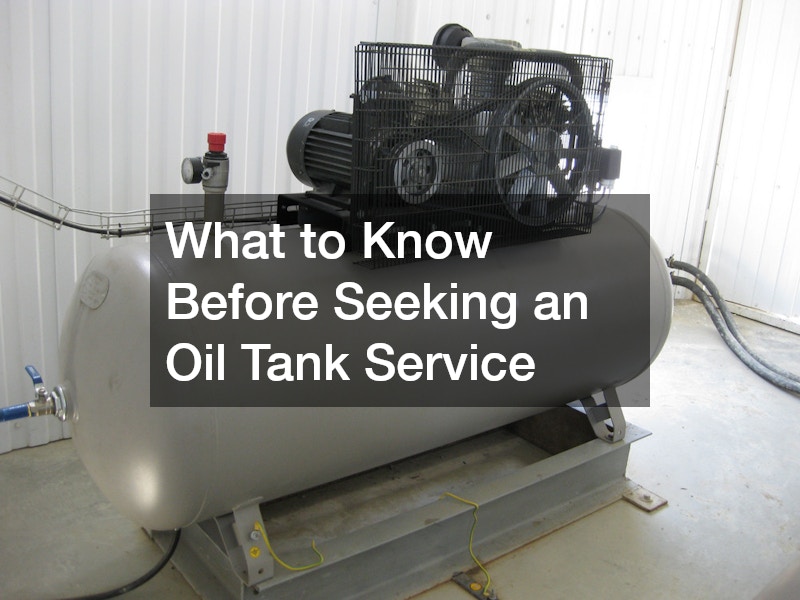
Owning an oil tank for your home heating needs comes with a set of responsibilities and challenges. While many homeowners understand the basics of maintaining their oil tank, there are several critical factors to consider before seeking professional oil tank services. These insights not only ensure that the service provided is efficient but also safeguard your investment, health, and environment.
Understanding Your Oil Tank’s Condition
Before reaching out to a professional oil tank service, it’s essential to understand the current condition of your oil tank. Over time, oil tanks can suffer from wear and tear due to corrosion, improper maintenance, and environmental factors. Regular inspections can help identify minor issues before they become significant problems, ensuring your tank remains safe and functional. Look for signs of potential damage such as rust, dents, or leakage and note any unusual smells or environmental stains around the tank area. An undiagnosed issue within your oil tank might not only compromise the functionality but can also pose a risk of environmental pollution if not addressed in time.
Additionally, knowledge about the lifespan and material composition of your oil tank can provide valuable context for necessary services. Most residential oil tanks have a lifespan ranging from 15 to 20 years, depending on usage patterns and maintenance levels. Being aware of your tank’s age will aid in determining whether maintenance, repair, or replacement is the optimal choice. Tanks made from steel or fiberglass have distinct properties and vulnerabilities, influencing the type and frequency of service required. The more informed you are about these aspects, the better equipped you’ll be to discuss potential solutions with service professionals.
While inspecting for physical issues is crucial, homeowners should also monitor the efficiency of their oil consumption. A spike in oil usage without a corresponding change in heating needs could indicate problems such as leaks or malfunctions inside the tank or its associated systems. Keeping track of your oil deliveries and consumption patterns can provide valuable insights to professionals during their service visits. By understanding these internal metrics, you can work collaboratively with oil tank service providers to diagnose underlying issues promptly. Such proactive measures often lead to more effective maintenance and help avoid emergency repair situations.
Choosing the Right Oil Tank Service Provider
Choosing the right oil tank service provider is a critical step in ensuring that your tank is well-maintained and operates efficiently. A reputable service provider should have a proven track record and be well-versed in local codes and regulations concerning oil tank maintenance and safety. Experience matters significantly in this field because different regions may have specific requirements that must be adhered to, and knowledgeable providers are typically more adept at navigating these complexities. Look for providers that have certifications from recognized industry authorities as evidence of their credibility and expertise. Referrals from friends, family, or online reviews can also offer insights into a service provider’s reliability and work quality.
Equally important is to ensure the service provider offers comprehensive services that cover all aspects of oil tank maintenance. A full-service company will offer inspections, cleaning, repair, and replacement services, ensuring they can handle any situation that arises. It’s crucial to inquire about the specific services they offer and their approach to different types of tanks and issues. You may also want to verify their emergency response capabilities, as oil tank issues can sometimes require immediate attention. By selecting a service provider with a wide array of services, you can minimize the need to coordinate multiple providers to handle different issues.
Pricing is another consideration when selecting an oil tank service provider, but it should not be the sole deciding factor. While competitive pricing is essential, extremely low costs might be indicative of shortcuts or inferior service quality. Strike a balance between cost and service quality by seeking detailed quotes from potential providers, which should include a breakdown of services offered. Transparent cost estimates can prevent unexpected charges and help in budgeting for routine maintenance or potential repairs. The goal should be to find a provider who offers value for money without compromising on the quality and scope of services.
Preparing for the Service Visit
Once you’ve chosen an oil tank service provider, the next step is to prepare for the service visit. To optimize the time spent on inspection or maintenance, ensure that the area around your oil tank is clean and accessible. Remove any debris or obstacles that might hinder the service professional’s ability to perform a thorough inspection. Ensuring clear access not only speeds up the process but also enhances the accuracy of the inspection and maintenance. This preparation reflects diligence and helps the service provider focus more on addressing potential issues than on accessibility challenges.
By taking into consideration the condition of your tank, selecting a reputable service provider, and effectively preparing for the service visit, homeowners can ensure comprehensive and efficient oil tank maintenance. Proper care and service of your oil tank not only prolongs its lifespan but also safeguards your home and environment against potential mishaps. Staying informed and prepared is crucial to optimizing your investment and maintaining the safe and efficient operation of your oil tank system.