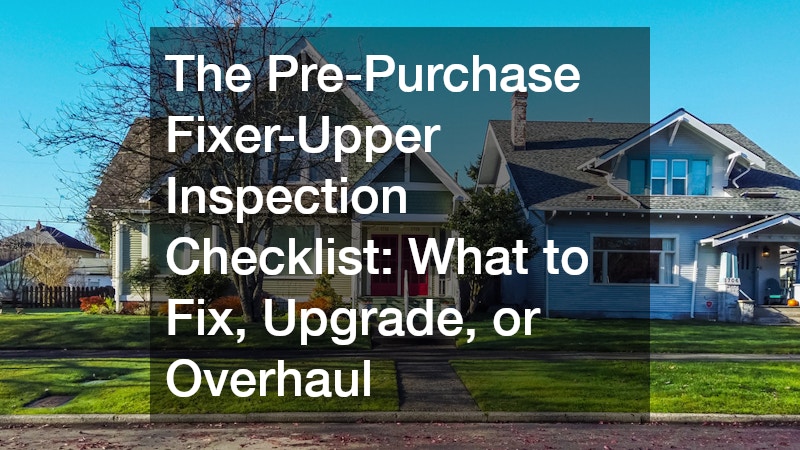
Buying an older property with noticeable architectural character offers an exciting path toward homeownership, but it also presents specific structural and financial hazards. Many buyers feel drawn to historic moldings, high ceilings, and charming neighborhood lots. However, under decorative surface features lie aging infrastructure elements that can quickly drain savings if left unexamined. A thorough pre-purchase checklist provides clarity, helping prospective buyers distinguish between superficial cosmetic fixes and major mechanical overhauls before making an offer.
Navigating a fixer-upper requires a grounded assessment of what can be preserved and what requires professional intervention. Surface updates like painting trim or swapping cabinet handles can easily be handled on weekends. Conversely, structural changes, plumbing re-routes, and structural additions require seasoned expertise. Before placing a formal purchase offer, smart buyers hire a qualified home inspector to evaluate every major structural and mechanical system from floor to ceiling carefully.
Once structural and mechanical concerns are identified, buyers can reach out to a licensed remodeling contractor to obtain realistic budget estimates. These early consultations transform guesswork into actionable data, allowing buyers to adjust purchase offers or request repair credits during contract negotiations. Understanding total costs beforehand protects buyers from unexpected post-closing surprises and helps maintain a healthy financial buffer for unexpected restoration obstacles.
Roofs, Drainage, and Foundation Shielding
The exterior shell serves as the primary defensive barrier protecting a house against rain, snow, and wind. During a pre-purchase walkthrough, inspecting the roof shingles, flashing, downspouts, and soffits is essential. Damaged or curling shingles often indicate an aging roof nearing the end of its functional life. Water stains along exterior walls or fascia boards point to chronic overflow issues that can quietly rot underlying wooden supports over several weather seasons.
Water management around the home foundation requires constant attention during property evaluations and seasonal walkthroughs. Standing water near basement walls can lead to soil saturation, hydrostatic pressure buildup, and eventual foundation cracking. Inspecting downspouts ensures that rainwater discharges at least five to six feet away from the foundation perimeter. When downspouts are damaged, clogged, or pulling away from the eaves, hiring local gutter services ensures that roof runoff directs properly away from vulnerable exterior walls and foundation lines.
Neglecting exterior water management often leads to toxic mold growth inside interior wall cavities and crawl spaces. A properly configured drainage network stops moisture from infiltrating basements, preserving the structural integrity of timber framing. Buyers should look for grading that slopes down and away from the house on all sides, ensuring that natural gravity assists in diverting excess stormwater safely away from exterior walls.
Building Envelope and Window Upgrades
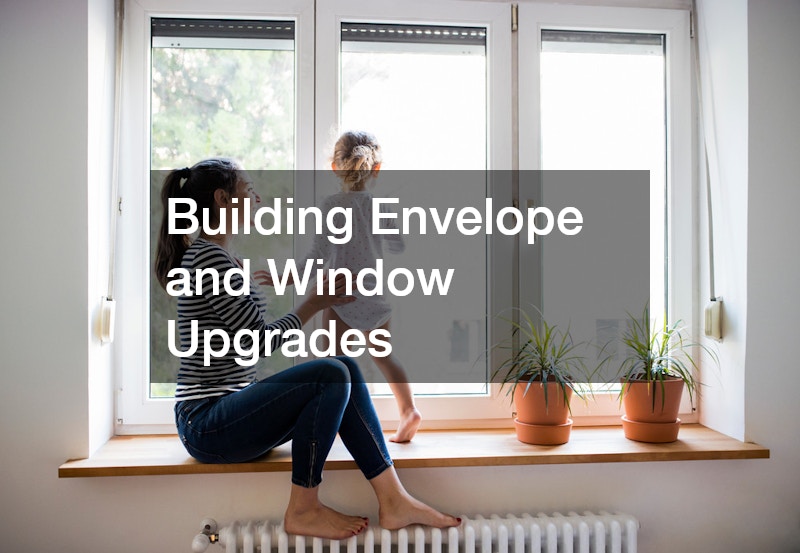
Energy efficiency depends heavily on the structural tightness of a home building envelope. Drafty rooms, persistent condensation between glass panes, and sticking frames signal that existing windows have failed. Older single-pane models permit significant thermal transfer, forcing heating and cooling equipment to work much harder during extreme weather seasons. Identifying window damage prior to closing gives buyers a realistic look at future long-term utility expenditures.
Replacing compromised windows reduces monthly heating and cooling bills while enhancing indoor acoustic insulation against neighborhood traffic noise. Modern double or triple-pane units feature low-emissivity coatings that block harmful ultraviolet light, preventing hardwood floors and interior furniture from fading over time. When estimating home improvement expenses, budgeting for replacement windows ensures the residence maintains balanced indoor temperatures while reducing reliance on central HVAC units year-round.
Framework materials also play an important role in overall frame durability, weather resistance, and ongoing maintenance demands. Vinyl frames offer minimal maintenance and excellent resistance to moisture, whereas wooden frames require regular painting to avoid rotting over time. Aluminum frames conduct heat quickly, making them less ideal for freezing winter climates. Buyers who identify deteriorating window units during walkthroughs can factor these replacement expenses into their initial purchase negotiation strategies.
Structural Openings and Garage Mechanisms
Garages often serve dual roles as vehicle storage and primary equipment workshops, making their structural readiness and overall durability essential for functional daily living. During an initial walkthrough, inspecting the concrete slab for heavy cracking or settling reveals potential sub-grade soil issues. Unvented garage areas can trap excess moisture, leading to premature rusting of tools and structural hardware. Checking structural headers above garage openings helps spot sagging or shifting framing members before purchasing.
The mechanical operation of the primary entry door requires close safety evaluation before closing on a home. Springs, cables, tracks, and rollers endure significant tension during daily operation. Misaligned tracks or rusty tension springs can turn a heavy door into an immediate safety hazard for vehicle occupants and family members alike. Investing in a new garage door improves curb appeal while restoring automatic safety sensors, smooth track movement, and reliable weather seals along the concrete floor.
Insulation values within attached garages directly influence the overall temperature of adjacent living spaces. Cold air leaking past worn perimeter seals can make nearby bedrooms uncomfortably chilly during the winter months. Upgrading to an insulated door panel with high thermal resistance keeps the space warmer and prevents vehicle exhaust fumes from infiltrating living quarters through shared wall penetrations.
Electrical Systems and Safety Code Compliance

Electrical safety is a primary concern when touring older residential properties during home shopping and property walkthroughs. Older electrical setups often feature outmoded knob-and-tube wiring, aluminum branch circuits, or ungrounded two-prong outlets throughout living areas. These outdated components struggle to supply modern power demands safely, increasing the risk of overloaded circuits, frequent breaker trips, or dangerous electrical fires behind finished drywall.
Panel capacity is another critical factor during a thorough electrical walkthrough. Houses built several decades ago frequently feature 60-amp or 100-amp service panels that cannot support central air conditioning, modern kitchen appliances, and electric vehicle charging stations simultaneously. Upgrading to a 200-amp service panel resolves power supply shortages and ensures full compliance with modern building codes. Prompt attention to electrical repair eliminates hidden fire hazards, restores balanced power distribution, and provides dedicated circuits for heavy home appliances.
Safety devices like ground fault circuit interrupters must be installed near water sources, including kitchens, bathrooms, and outdoor outlets. Arc fault circuit interrupters should safeguard living rooms and bedrooms to prevent spark-induced fire events. Spotting loose outlets, warm switch plates, or buzzing breaker boxes during an inspection alerts buyers to hidden wiring defects that require swift professional intervention.
Plumbing Lines and Sewer Diagnostics
Plumbing failures can transform a dream property into an expensive repair nightmare within minutes of move-in day if issues go undetected. Inspecting exposed pipes in basements and crawl spaces helps identify corrosion, active pinhole leaks, and outdated materials like galvanized steel or polybutylene. Galvanized steel pipes accumulate rust internally over decades, leading to restricted water pressure and discolored tap water that requires total pipe replacement.
Sewer line integrity is equally important when evaluating a prospective property for purchase. Tree root infiltration, pipe sagging, and accumulated grease often block subterranean waste lines, causing dangerous sewage backups into basements or lower-level shower drains. Scheduling professional drain cleaning helps clear stubborn line blockages, restore proper flow rates, and allow camera technicians to verify whether underground pipes remain structurally sound or need trenchless replacement.
Water heater performance also warrants close examination during a home tour. Rust accumulating around the tank base, slow recovery times, or strange rumbling noises during heating cycles indicate heavy sediment collection. Most traditional water heaters last ten to twelve years before requiring total replacement. Identifying an aging water tank gives buyers leveraging power to request seller concessions prior to signing final purchase contracts.
Air Quality and Indoor Climate Assessment
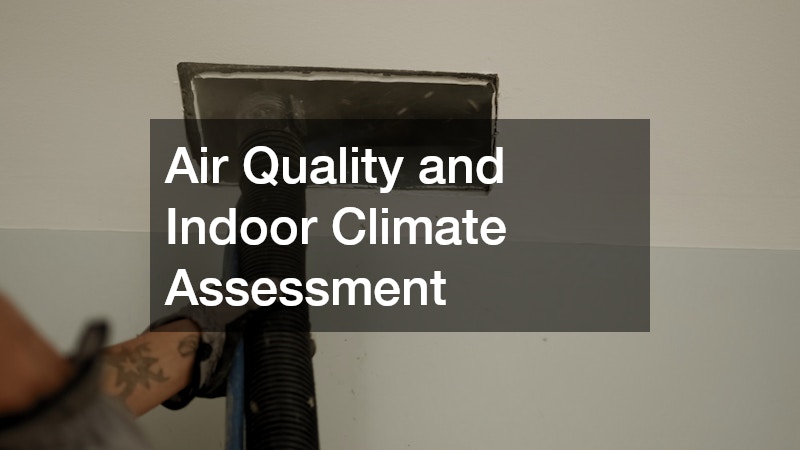
Indoor air quality plays a direct role in overall family health, respiratory comfort, and daily living conditions inside the residence. Neglected HVAC systems harbor accumulated dust, pet dander, mold spores, and pest droppings that circulate continuously whenever heat or air conditioning runs. Inspecting heat exchangers for hairline cracks is vital, as cracked components can release dangerous carbon monoxide gas into indoor living zones without warning.
Ductwork integrity directly influences furnace efficiency and indoor humidity levels in every room. Disconnected duct sections, loose joints, and uninsulated metal runs in unconditioned attics allow treated air to escape, raising monthly energy bills unnecessarily. Scheduling thorough air duct cleaning clears away decades of trapped airborne debris, improves overall airflow efficiency, and reduces strain on sensitive furnace blower motors across all operating seasons.
Proper ventilation in high-moisture zones like attics and crawl spaces prevents wood rot and fungal growth. Attic spaces require balanced soffit and ridge vents to prevent hot air buildup during summer and ice dam formation during winter. Vapor barriers covering exposed earth in crawl spaces protect structural floor joists from continuous ground moisture, preserving indoor air quality throughout the entire house structure.
Redesigning Primary Culinary Spaces
Kitchens function as the central gathering hub of modern residential life, making their interior layout and usability a primary consideration for prospective home buyers. Outdated cabinetry, cramped counter space, and poor lighting can make daily meal preparation frustrating and inefficient. During an inspection, checking water pressure under the sink, looking for subfloor softness around dishwasher connections, and checking dedicated appliance outlets help gauge the scope of necessary kitchen repairs.
Reconfiguring a restrictive floor plan requires careful spatial planning and structural foresight. Removing load-bearing walls to create an open concept layout requires proper header beams and post support installation. Working alongside an experienced kitchen remodeler allows homeowners to optimize traffic flow, install durable stone countertops, construct custom pantry storage, and incorporate modern task lighting that enhances both functionality and aesthetic appeal.
Appliance placement and ventilation must align with local building codes and modern ergonomic design standards. Range hoods should vent dirty cooking air outdoors rather than recirculating fumes inside the kitchen space. Upgrading worn flooring to waterproof luxury vinyl plank or tile protects subflooring against accidental spills, ensuring the culinary space handles heavy foot traffic with ease for decades to come.
Hygiene and Bath Area Modernization

Bathrooms endure intense daily use and high humidity exposure, making them particularly vulnerable to hidden moisture damage and mold growth over time. Soft flooring around toilets, loose wall tiles near shower heads, and lingering musty odors often signal long-term subfloor rot. Inspecting under vanity sinks for slow leaks and checking exhaust fan power helps identify underlying moisture issues before closing on a home purchase.
Updating outdated plumbing fixtures, tile surrounds, and layout configurations significantly improves home comfort and market value. Replacing low-flow toilets, installing curbless tile showers, and adding double-sink vanities can transform cramped spaces into functional daily sanctuaries. Engaging a professional bathroom remodeling service ensures proper waterproofing membranes are installed behind shower walls, preventing water infiltration that can ruin wood framing behind tilework.
Ventilation remains a crucial aspect of bath maintenance and humidity control. Exhaust fans must move moist air completely outside the home rather than venting into closed attic spaces where mold can flourish. High-capacity, whisper-quiet fans equipped with humidity sensors operate automatically to clear steam quickly, preventing mold spores from taking hold on drywall surfaces and painted ceilings throughout the space.
Structural Integrity and New Ground Up Construction
Structural soundness forms the backbone of any lasting real estate investment. During a walk-through, inspecting foundation walls for step-cracks, bowing concrete, or horizontal shifts is critical. Doors that stick in their frames, sloping floors, and diagonal cracks above interior door frames often point to foundation settlement or failing subfloor joists that require immediate engineering intervention before moving forward.
When a property suffers from severe structural failure, pest infestation, or widespread rot, extensive repairs may outweigh total property value. In these extreme situations, clearing the parcel and constructing a custom home tailored precisely to modern architectural standards becomes the most cost-effective path forward. Partnering with a custom home builder provides complete freedom over structural layouts, insulation standards, energy systems, and exterior finishes from the foundation to the roofline.
Making informed real estate decisions requires balancing personal renovation enthusiasm with objective financial analysis and thorough inspection data. By systematically reviewing exterior drainage, window efficiency, mechanical systems, air quality, and structural health, buyers can confidently approach any fixer-upper property. Thorough pre-purchase evaluation ensures that renovation dreams transform smoothly into safe, beautiful, and lasting homeownership successes.